

Nature’s Luxury for Radiant Skin
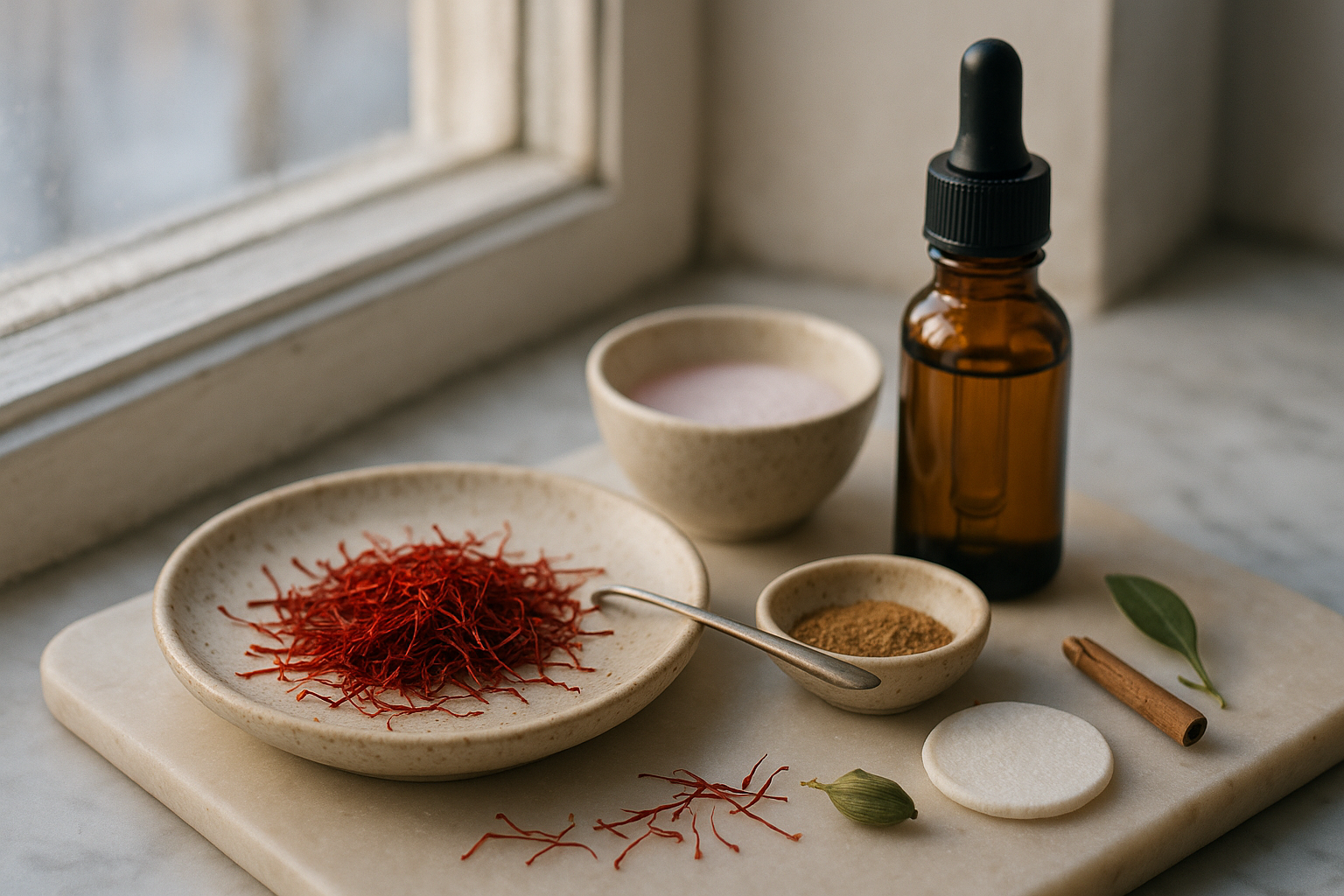
For centuries, saffron — or zafran — has been celebrated not just for its rich color and aroma but also for its powerful skin-enhancing properties. In traditional South Asian and Middle Eastern beauty rituals, saffron has held a special place as a natural glow booster used by brides, royalty, and herbalists alike.
But in today’s world of skincare trends and quick fixes, where does saffron actually stand? Is it truly effective, or just an expensive beauty myth?
This article explores the real benefits of saffron for skin care, how it works, and how to include it in your daily routine for brighter, clearer, and healthier skin — naturally.
Top 5 Benefits of Saffron for Skin Health
- Brightens complexion and evens skin tone
- Reduces pigmentation, dark spots, and acne scars
- Soothes inflammation and redness
- Fights free radicals that cause aging
- Hydrates and revitalizes dull, dry skin
Why Saffron (Zafran) Works in Skin Care
Saffron is rich in bioactive compounds like crocin, safranal, and flavonoids. These antioxidants help protect the skin from oxidative stress, one of the biggest causes of premature aging, dullness, and uneven skin tone.
Its anti-inflammatory and antibacterial properties also make it effective for treating acne, skin irritation, and pigmentation. That’s why saffron is often found in bridal ubtans, facial oils, and DIY masks in natural beauty traditions.
Saffron for Skin Brightening and Glow
The most well-known benefit of saffron is its ability to enhance natural glow and reduce dullness.
- Crocin, the pigment compound in saffron, helps fade dark spots and brighten overall skin tone
- Saffron encourages healthy blood circulation, which brings more nutrients to the surface of the skin
- Regular use results in skin that looks more even, clear, and radiant
It’s especially helpful for post-acne scars, sun damage, and uneven pigmentation — common concerns among women of all skin tones.
How to Use Saffron for Skin Care: Daily and Weekly
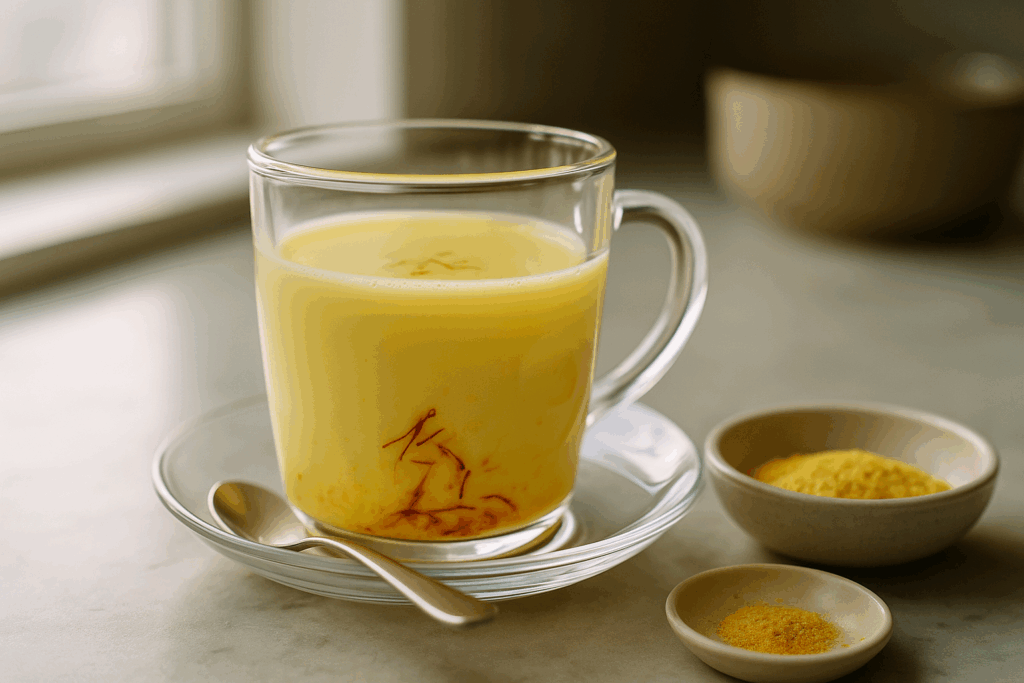
Saffron should always be soaked in liquid (milk, rose water, or oil) before applying to the skin. This releases its active compounds and prevents waste of such a valuable ingredient.
Daily Use (Glow Boosting Toner)
- Soak 2–3 strands of saffron in 1 tbsp of rose water overnight
- Apply to clean skin with a cotton pad in the morning or evening
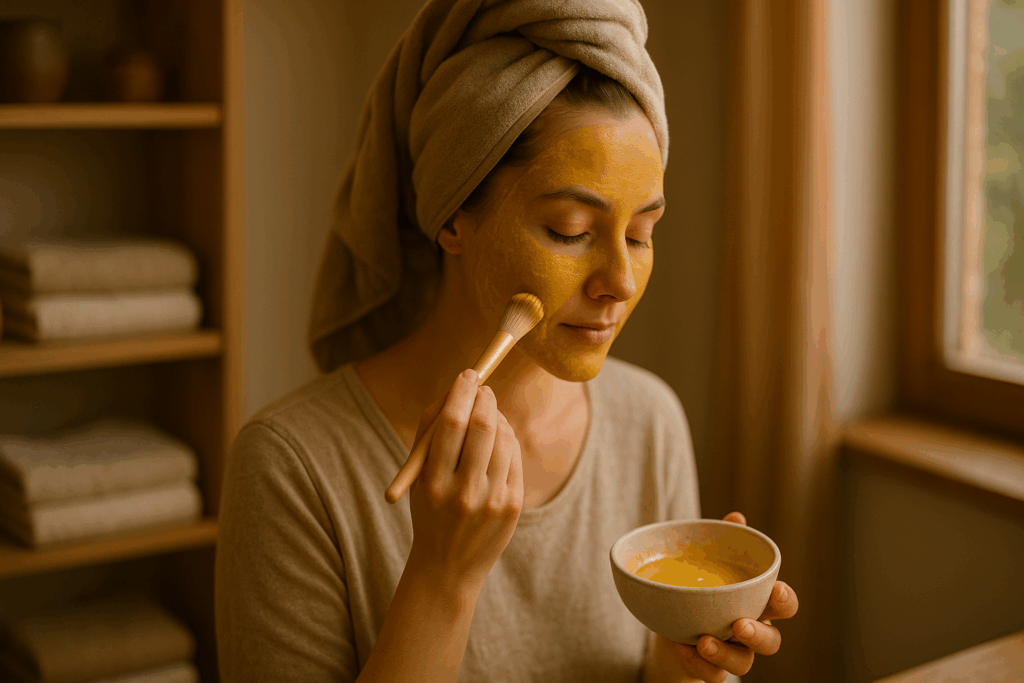
Weekly Use (Face Mask or Ubtan)
Mix the following into a paste:
- 2 strands saffron (soaked in milk for 10 mins)
- 1 tsp yogurt or honey
- 1 tsp gram flour or oatmeal
- Apply for 15 minutes and rinse with lukewarm water.
This gentle mask brightens, nourishes, and hydrates all skin types — especially dry or sensitive skin.
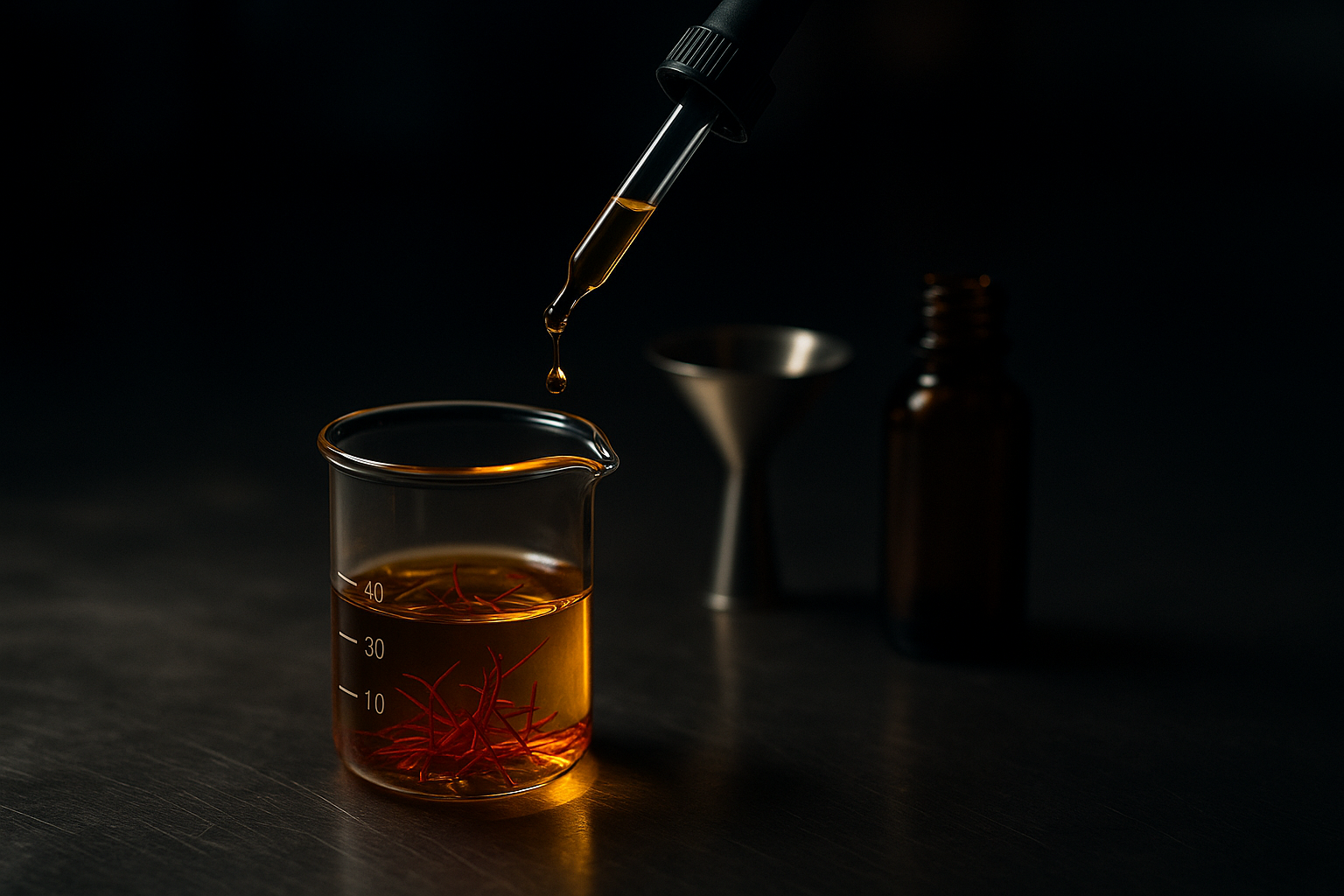
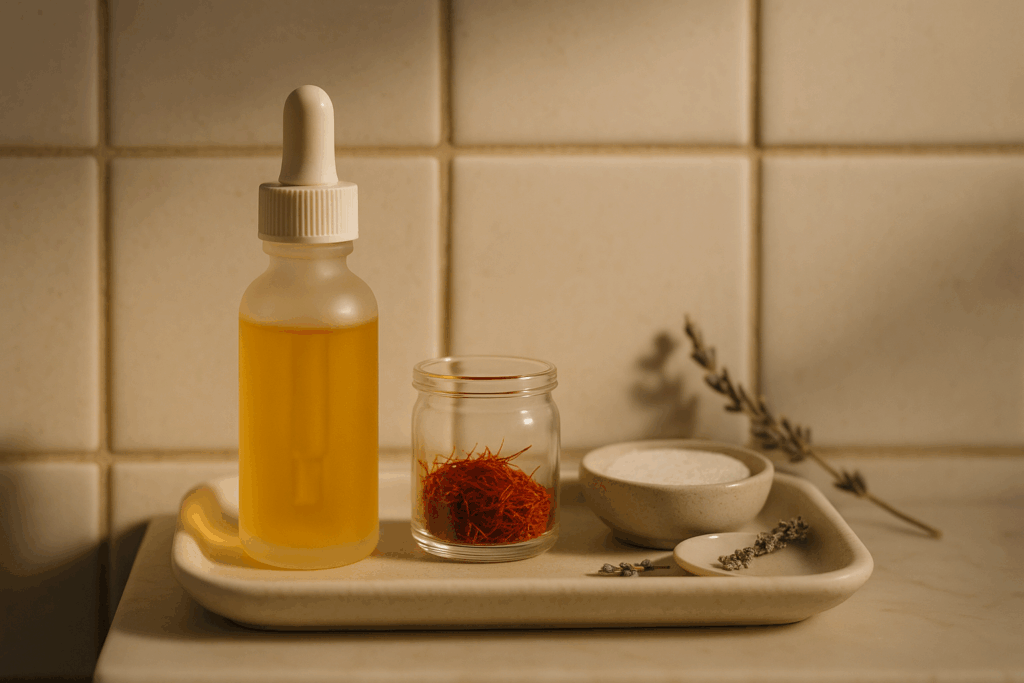
Quick & Easy DIY: Saffron Night Serum
Ingredients:
- 2 tbsp almond or jojoba oil
- 3–4 saffron strands
- Optional: 2 drops of rose or lavender essential oil
Instructions:
Soak saffron in oil for 24 hours. Massage 2–3 drops onto clean skin at night. This serum deeply hydrates, repairs, and supports overnight skin regeneration.
Ideal for:
- Dry, winter skin
- Dull or tired complexions
- Fine lines or early signs of aging
Tips for Buying and Storing Saffron for Skin Use
- Choose pure, deep red threads — avoid dull or yellow-colored strands
- Buy from trusted herbal stores or brands with transparent sourcing
- Store in an airtight glass jar away from sunlight
- Avoid powdered saffron unless verified — it’s often mixed with fillers
- Use a little at a time — 2–4 strands are enough per use
FAQs
Q: Can I use saffron daily on my skin?
Yes, in small amounts. Saffron toners or infused oils are safe for daily use, especially if you don’t have sensitive skin.
Q: Does saffron help with acne?
Yes. Its antibacterial and anti-inflammatory properties help reduce acne, redness, and post-acne marks.
Q: How long does it take to see results from saffron on skin?
You may notice glow and smoothness within 1–2 weeks. For dark spots or pigmentation, results may take 4–6 weeks of consistent use.
Q: Is saffron suitable for oily or sensitive skin?
Yes — just use it with gentle carriers like rose water or aloe vera. Avoid mixing with strong acids or exfoliants.
Q: Can saffron be mixed with other skincare ingredients?
Absolutely. It works well with natural bases like honey, milk, yogurt, gram flour, and rose water.
Final Thoughts: Is Saffron Worth Including in Your Skincare Routine?
Saffron may be luxurious, but its benefits for skin are real — especially when used correctly and consistently. For women looking to shift from chemical-heavy products to more holistic, natural solutions, saffron offers beauty from the inside out.
Whether you’re targeting dullness, uneven tone, or early signs of aging, a few threads of pure zafran can make a visible difference. Think of it not just as a skincare ingredient, but as a ritual — one that connects you to centuries of wisdom, wellness, and natural beauty.