



The Power Nut for Winter Strength
When winter sets in, your body needs warmth, protection, and steady energy. Among all dry fruits, walnuts stand out as one of the most nutrient-dense foods for immunity, heart health, and brain function. Their earthy flavor and impressive nutrient profile make them a simple yet powerful addition to your daily diet — especially for women looking to stay energized, focused, and resilient through cold months.
Walnuts aren’t just a snack; they’re a natural multivitamin wrapped in a shell. Let’s explore why these little brain-shaped nuts deserve a special spot in your winter wellness routine.
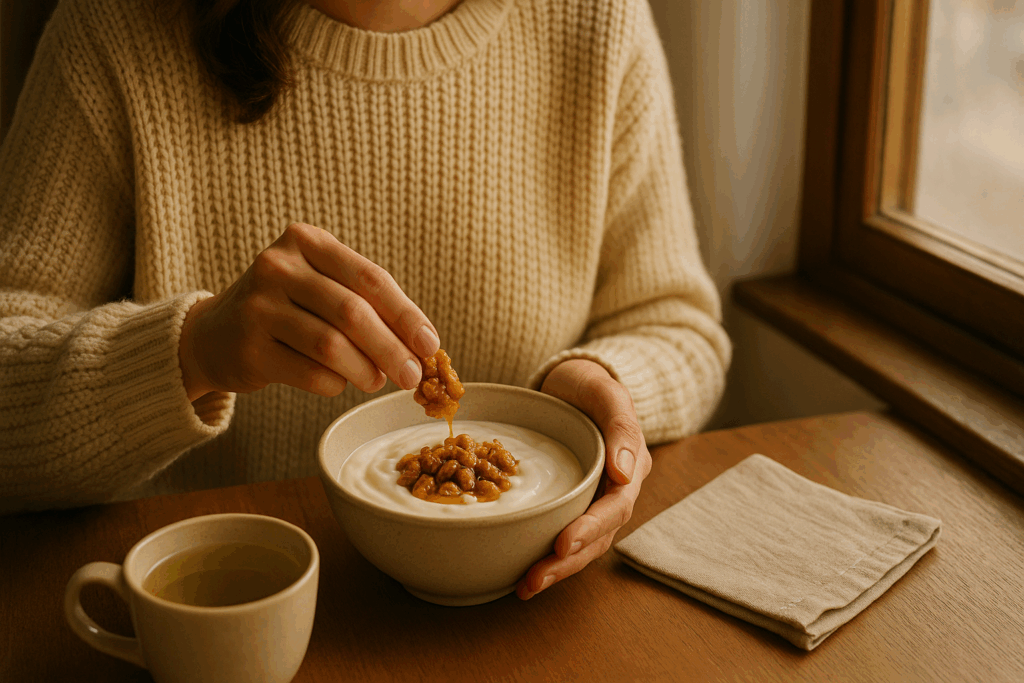
Top 6 Health Benefits of Walnuts for Immunity and Wellness
- Strengthen the immune system with antioxidants and omega-3s
- Support heart health by balancing cholesterol levels
- Enhance brain function and memory
- Reduce inflammation and oxidative stress
- Improve skin and hair health with vitamin E
- Support hormonal balance and better sleep
Why Walnuts Are a Winter Immunity Booster
Walnuts are one of the few plant-based sources of alpha-linolenic acid (ALA), a type of omega-3 fatty acid known to reduce inflammation and strengthen immunity. They’re also packed with vitamin E, zinc, selenium, and polyphenols, all of which help your immune cells stay active and resilient.
In winter, when viral infections and fatigue are common, a small handful of walnuts provides lasting warmth and energy without sugar spikes. Plus, their healthy fats help your body absorb fat-soluble vitamins (A, D, E, and K) more effectively — crucial for immune defense.
Nutritional Composition of Walnuts (per 28g / ~7 walnuts)
- Calories: 185
- Protein: 4.3g
- Fat: 18.5g (13g polyunsaturated)
- Omega-3 (ALA): 2.5g
- Fiber: 2g
- Magnesium: 45mg
- Zinc: 0.9mg
- Vitamin E: 0.7mg
- Antioxidants: polyphenols, melatonin, and ellagic acid
This nutrient balance makes walnuts ideal for women’s health — supporting mood, skin glow, hormone balance, and heart resilience throughout the colder season.
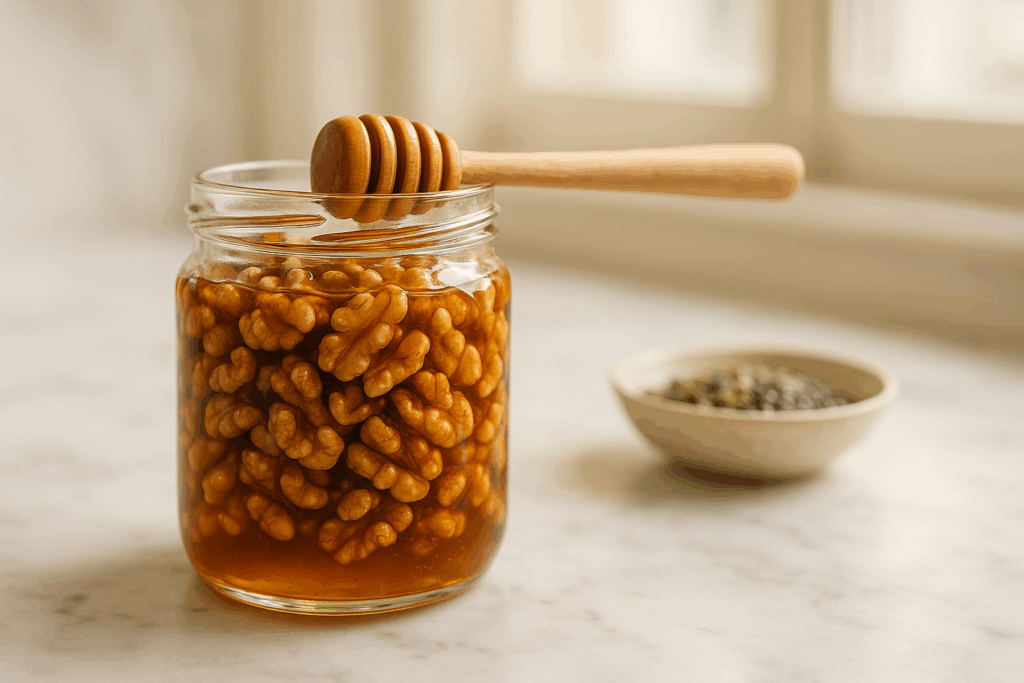
Walnuts and Women’s Hormonal & Brain Health
During winter, hormonal fluctuations and seasonal mood changes are common. Walnuts support both through:
- Omega-3s: Boost brain function, reduce anxiety, and ease PMS symptoms
- Magnesium & Tryptophan: Promote calmness and improve sleep quality
- Vitamin B6 & Folate: Support mood stability and hormonal regulation
- Healthy fats: Aid in producing estrogen and other reproductive hormones
These combined effects help women feel more emotionally balanced, focused, and energized — especially during darker, shorter winter days.
Daily Use: How to Add Walnuts to Your Winter Diet
Suggested Daily Intake:
4–7 walnut halves per day (about one ounce)
Best Times to Eat:
- Morning: Add to oatmeal, yogurt, or smoothie for lasting energy
- Midday: Snack on a few walnuts to curb cravings and stabilize blood sugar
- Evening: Include in salads or eat with warm milk for better sleep
Raw vs. Soaked vs. Roasted:
- Raw: Best for retaining omega-3 fats and antioxidants
- Soaked: Easier to digest; soak overnight, peel skin for milder taste
- Lightly roasted: Enhances flavor — roast at low heat (under 170°C/340°F) for 8–10 minutes
Quick & Easy Recipe: Walnut Honey Immunity Mix
Ingredients:
- ½ cup walnuts
- 2 tbsp raw honey
- 1 tbsp pumpkin seeds
- 1 tbsp chia seeds
- Pinch of cinnamon (optional)
Instructions:
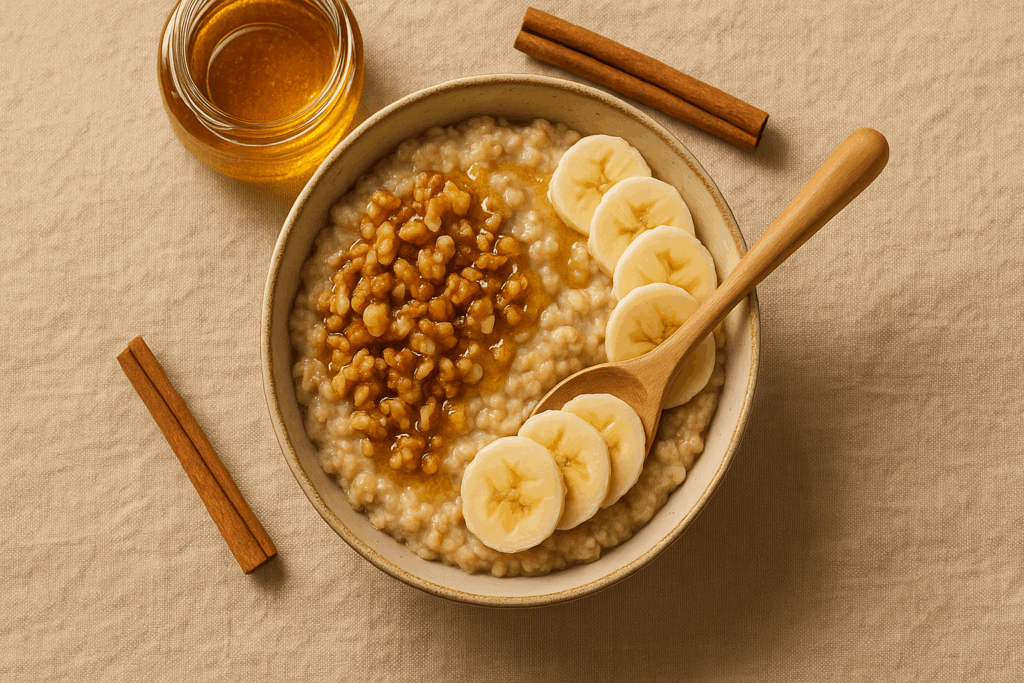
Mix all ingredients and store in a glass jar. Eat one spoonful daily in the morning or add to yogurt for a delicious, immunity-boosting breakfast.
Tips for Buying and Storing Walnuts
- Choose whole, unbroken walnuts with firm texture and mild nutty aroma
- Avoid rancid or bitter-tasting nuts — a sign of oxidation
- Store in airtight containers in the refrigerator or freezer to preserve oils
- Buy small quantities if possible, as walnut oils are delicate and spoil easily
- Combine with almonds, raisins, or dates for a balanced dry fruit mix
FAQs
Q: Are walnuts good for boosting immunity?
Yes. Walnuts are packed with antioxidants, omega-3 fatty acids, and vitamin E, all of which strengthen immune response and reduce inflammation.
Q: How many walnuts should I eat daily?
About 4–7 halves (one ounce) daily are enough to gain benefits without excess calories.
Q: Can walnuts help with brain health?
Yes. Their omega-3 content supports cognitive function, memory, and mood balance — especially beneficial in winter.
Q: Are walnuts good for women’s hormones?
Absolutely. The combination of healthy fats, magnesium, and B vitamins helps regulate hormones and support menstrual health.
Q: Should walnuts be soaked before eating?
Soaking improves digestion and reduces tannins, making nutrients easier to absorb — a good choice for sensitive stomachs.

Final Thoughts: The Winter Superfood Your Body Loves
Walnuts are more than just a crunchy snack — they’re a powerhouse of nutrition that helps your heart, brain, skin, and immune system thrive through the coldest months. Their blend of healthy fats, plant protein, and essential micronutrients makes them one of the best dry fruits for immunity and vitality.
Simple, versatile, and deeply nourishing, walnuts remind us that nature provides everything our bodies need — one handful at a time.