



What Is Red Gold and Why Is Saffron Called That?
Across cultures and centuries, saffron — or Zafran — has held a reputation for being one of the world’s most valuable substances. Known as “red gold,” this vibrant crimson spice is prized not just for its rarity and price, but for its impressive health, beauty, and culinary benefits.
But beyond the label, what makes saffron so special? Is it truly worth the cost? And how can you use it in daily life to support your health and well-being?
This article dives into the truth about saffron, its historical role as red gold, and how women today can benefit from using it in smart, effective ways.
Why Saffron Is Called Red Gold
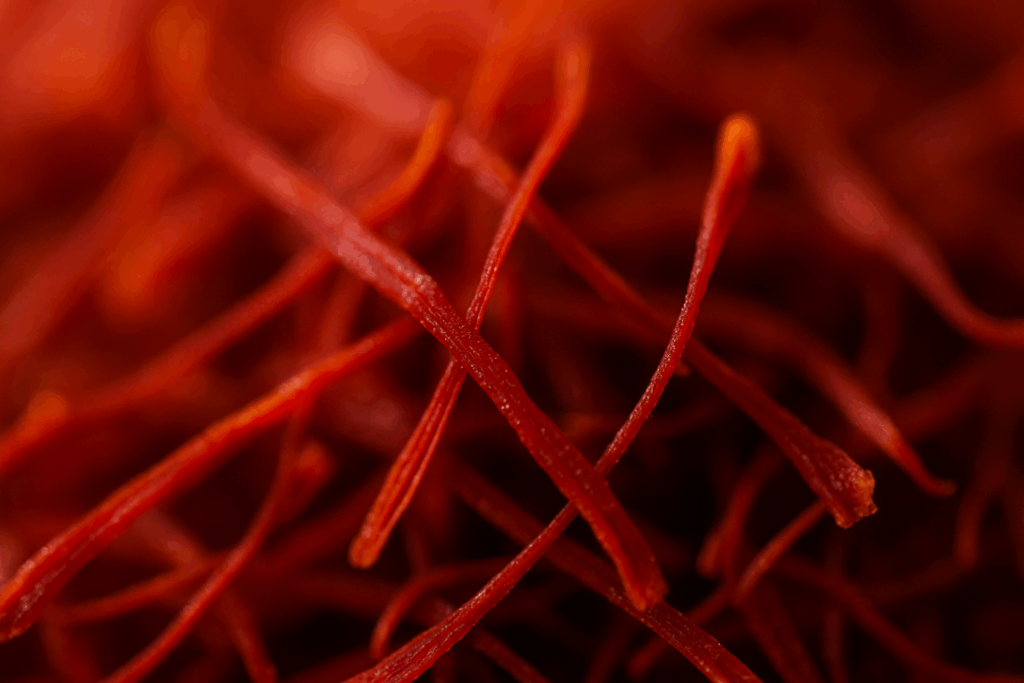
The nickname “red gold” comes from saffron’s deep color, its gold-like value, and its intensive production process.
Each saffron thread comes from the stigma of the Crocus sativus flower. It takes about 75,000 flowers to produce just one pound of saffron, all hand-harvested during a short blooming season. This makes saffron the most expensive spice by weight.
The result? A rich, aromatic, and deeply therapeutic ingredient that has been traded like gold in traditional economies.
Saffron Benefits for Women’s Health and Wellness
Saffron is more than just a spice — it’s a natural mood stabilizer, beauty enhancer, and wellness booster. For women especially, it offers targeted support for hormonal balance, mental health, and skin clarity.
1. Mood and Stress Relief
Saffron naturally increases serotonin levels and has been used traditionally to manage mild depression, anxiety, and emotional imbalance.
2. Hormonal Balance
Saffron is often used in fertility tonics and women’s herbal formulas. It supports menstrual regularity and reduces PMS symptoms.
3. Skin Health and Glow
Thanks to its antioxidants, saffron helps reduce pigmentation, brighten dull skin, and soothe inflammation. It’s widely used in bridal skincare routines in Pakistan and India.
4. Digestive and Metabolic Support
Saffron helps improve digestion, reduce bloating, and may assist in appetite control — especially when taken in warm liquids.
5. Immune and Anti-Inflammatory Action
Its antioxidant content protects the body from cellular damage and supports detoxification, making it useful during seasonal transitions.
Nutritional Profile of Saffron (per 1 gram)
- Calories: 3
- Carbohydrates: 0.6g
- Vitamin C: 1.3 mg
- Iron: 0.23 mg
- Potassium: 28 mg
- Manganese: 0.6 mg
- Key Compounds: Crocin (color), Safranal (aroma), Picrocrocin (flavor)
These compounds are responsible for saffron’s distinctive golden hue, aroma, and mood-lifting effects.
How to Use Saffron Effectively in Daily Life
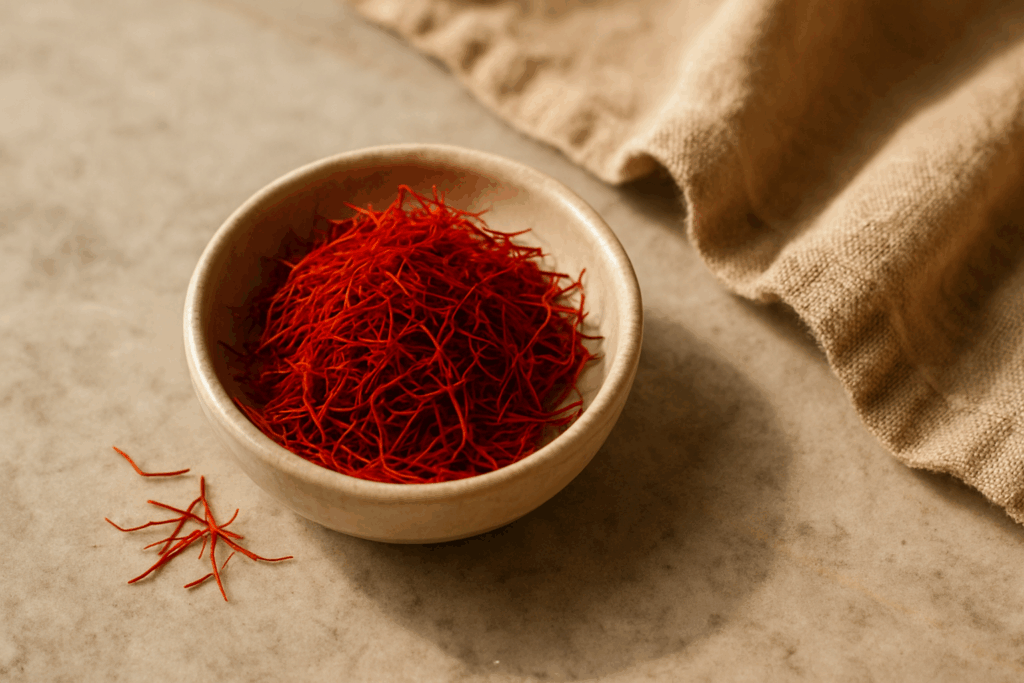
Saffron works best when soaked in warm liquid before use. A small amount goes a long way — even 2–3 strands per day can offer benefits.
Common Ways to Use Zafran:
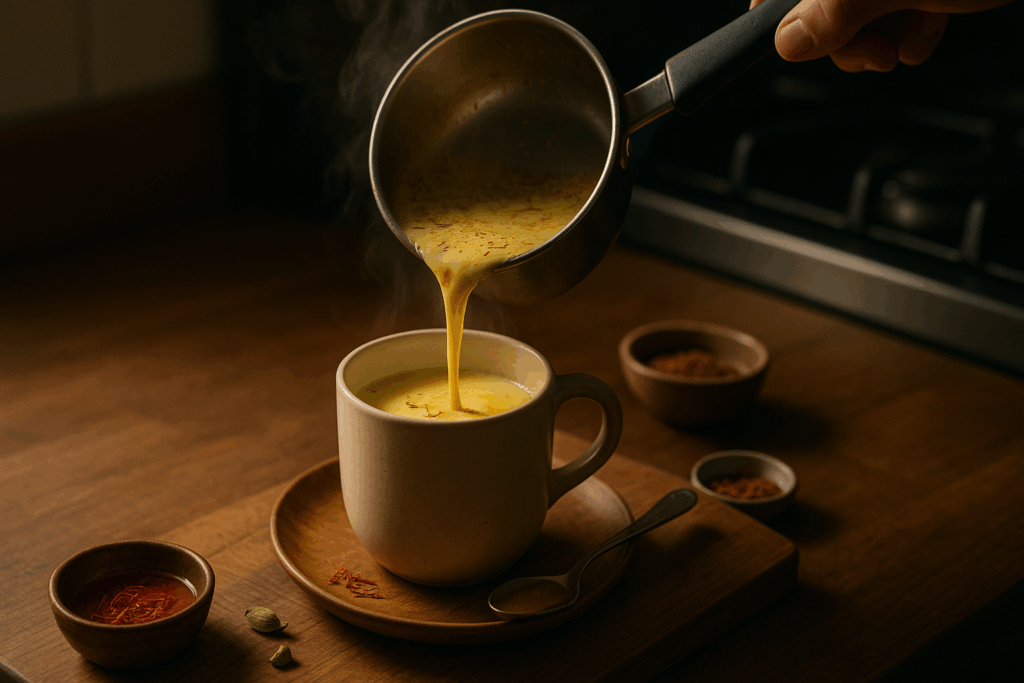
- Soaked in warm milk at night for sleep and hormonal support
- Added to rice or kheer for aroma and digestion
- Mixed into face masks with honey or yogurt for skin glow
- Combined with dates and herbs for fertility or PMS support
- Infused into teas or tonics during stress or seasonal fatigue
For best results, use saffron consistently, preferably in warm preparations that allow its compounds to fully release.
Quick Recipe: Saffron-Infused Milk (Zafran Doodh)
Ingredients:
- 1 cup warm milk (dairy or plant-based)
- 3–4 saffron strands
- 1 crushed cardamom pod
- 1 tsp honey or jaggery (optional)
Instructions:
Soak the saffron strands in 2 tablespoons of warm milk for 10 minutes. Add to the rest of the milk, heat gently with cardamom, and stir in your sweetener. Drink at bedtime to support skin renewal and deep sleep.
Tips for Buying and Storing Real Saffron
- Always buy from reputable sellers — fake saffron is common in local markets
- Look for deep red threads with a strong natural aroma
- Store saffron in a glass jar away from sunlight
- Avoid powdered saffron unless it’s certified — it’s harder to verify quality
- A little goes a long way — use 2–3 strands per serving, not more
FAQs
Q: Why is saffron so expensive?
Because it’s hand-harvested, highly concentrated, and requires thousands of flowers to produce even a small quantity. Its price reflects both rarity and labor.
Q: Can I use saffron every day?
Yes. In small, consistent doses (2–3 strands), saffron can be safely used daily for mood, skin, and hormonal health.
Q: Does saffron really help with skin?
Yes. Saffron is rich in antioxidants and anti-inflammatory compounds that brighten the complexion and reduce skin irritation.
Q: Is saffron good for fertility?
Traditionally, saffron is used in fertility formulas to support uterine health and reduce stress-related hormonal imbalance. Always consult a professional before use during pregnancy.
Final Thoughts: Is Saffron Worth the Hype and Price?
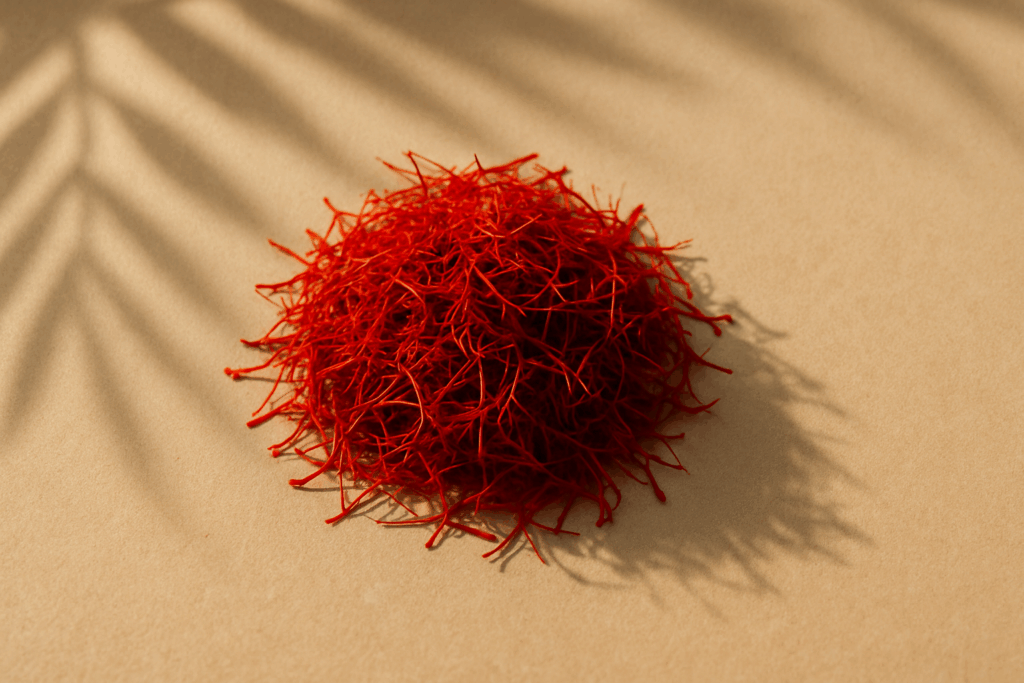
Saffron lives up to its title as “red gold” — not because it’s rare, but because its value is timeless. Whether you’re focused on emotional balance, glowing skin, or inner nourishment, saffron provides natural, high-impact support that few other herbs can match.
Used wisely, it becomes more than a spice. It becomes a ritual — a small daily act of care for your mind, body, and spirit.