

PCOS Isn’t Just About Cysts — It’s a Hormone Imbalance
Polycystic Ovary Syndrome (PCOS) is often misunderstood as simply a “reproductive issue” or condition involving ovarian cysts. In reality, PCOS is a hormonal imbalance — one that affects everything from your metabolism and mood to your weight, energy levels, and menstrual cycle.
The good news? You don’t need to rely solely on medication to find relief. Natural strategies — including targeted nutrition, lifestyle changes, and hormonal support — can help you bring your hormones back into balance and reduce the most frustrating PCOS symptoms.
This guide walks you through how to support hormonal balance naturally and manage PCOS from the inside out.
Common Hormonal Imbalances in PCOS
Women with PCOS often face one or more of the following hormonal issues:
- High androgens (testosterone, DHEA)
- Low progesterone (often from lack of ovulation)
- Insulin resistance
- Elevated cortisol (stress hormone)
- Estrogen dominance
These imbalances can lead to symptoms like:
- Irregular periods
- Acne and oily skin
- Facial hair or hair loss
- Weight gain, especially around the abdomen
- Mood swings, anxiety, and fatigue
How to Balance Hormones Naturally with PCOS
1. Support Blood Sugar Stability
Unstable blood sugar is one of the biggest hormonal disruptors in PCOS.
Natural Strategies:
- Eat protein and healthy fat at every meal
- Avoid skipping meals or fasting for long periods
- Use apple cider vinegar before carb-heavy meals
- Limit refined sugar and processed carbohydrates
2. Incorporate Hormone-Balancing Foods
Certain nutrients play a vital role in hormone production and detox.
Key Nutrients & Foods:
- Magnesium (leafy greens, pumpkin seeds)
- Zinc (pumpkin seeds, lentils, eggs)
- B Vitamins (whole grains, legumes, eggs)
- Omega-3s (chia seeds, flaxseeds, walnuts)
- Fiber (vegetables, oats, flaxseed) — helps eliminate excess estrogen
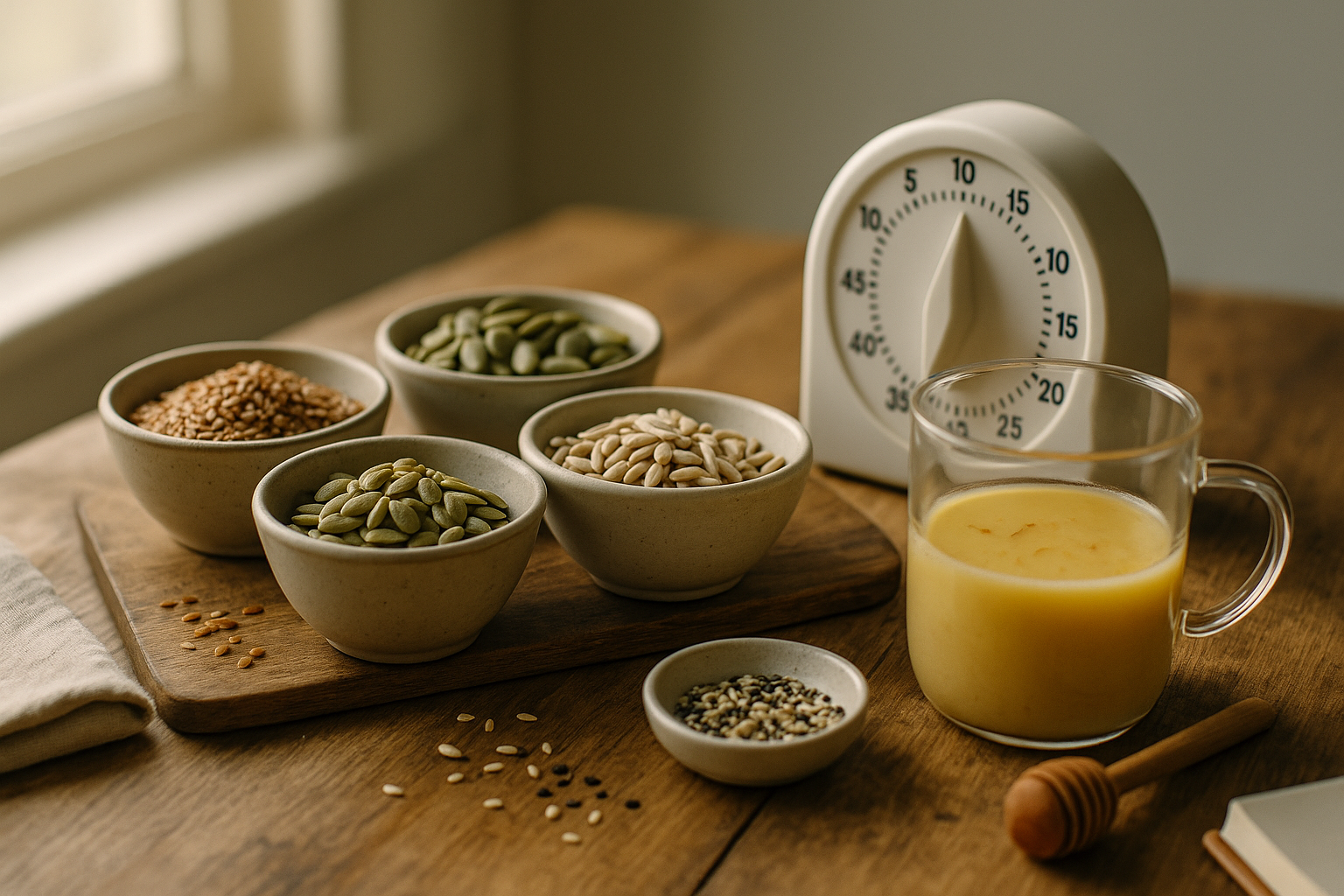
3. Practice Seed Cycling
Seed cycling uses specific seeds to support estrogen and progesterone throughout your menstrual cycle.
How It Works:
- Days 1–14 (Follicular phase): 1 tbsp flax + 1 tbsp pumpkin seeds
- Days 15–28 (Luteal phase): 1 tbsp sunflower + 1 tbsp sesame seeds
This simple routine can help regulate periods, boost fertility, and ease PMS.
4. Support Liver Detoxification
Your liver helps clear out excess hormones — especially estrogen and androgens.
Natural Liver Support:
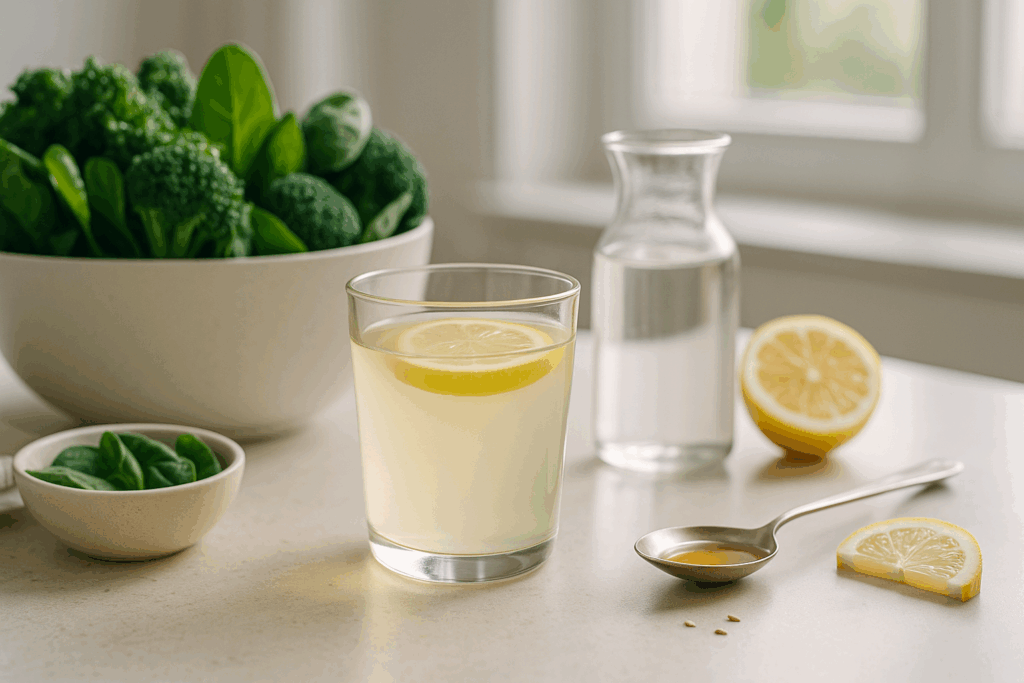
- Warm lemon water each morning
- Cruciferous vegetables (broccoli, cauliflower, kale)
- Milk thistle or dandelion tea
- Plenty of filtered water daily
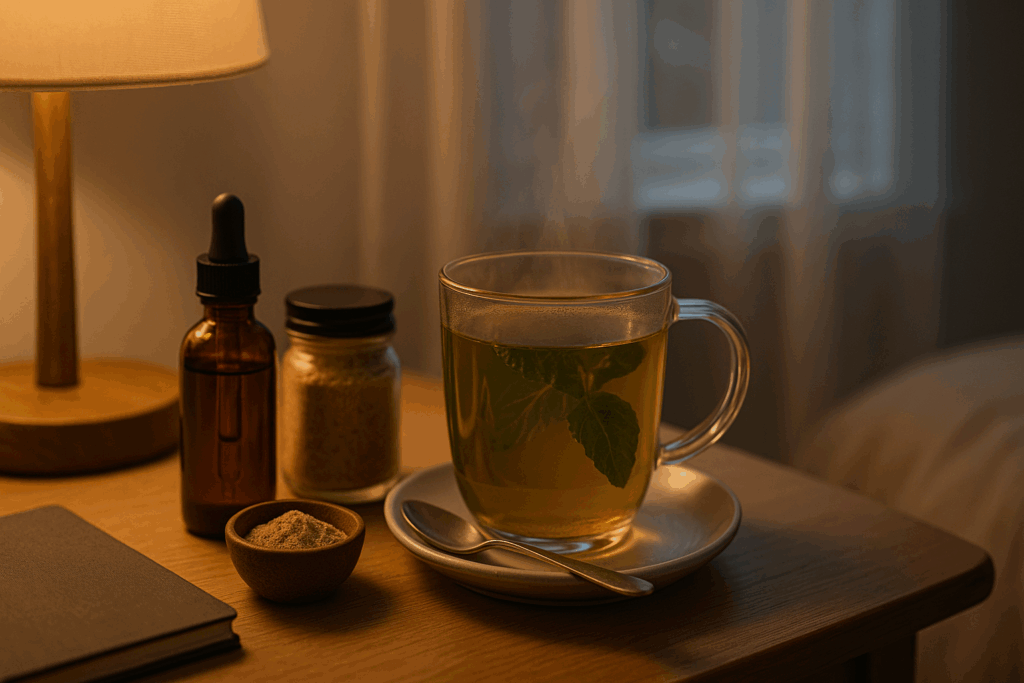
5. Use Adaptogenic Herbs
Adaptogens help the body adapt to stress and regulate hormone production.
Best Adaptogens for PCOS:
- Ashwagandha – lowers cortisol, improves sleep, balances thyroid
- Maca root – supports energy, libido, and estrogen balance
- Spearmint tea – reduces testosterone and facial hair
- Holy basil (Tulsi) – balances blood sugar and mood
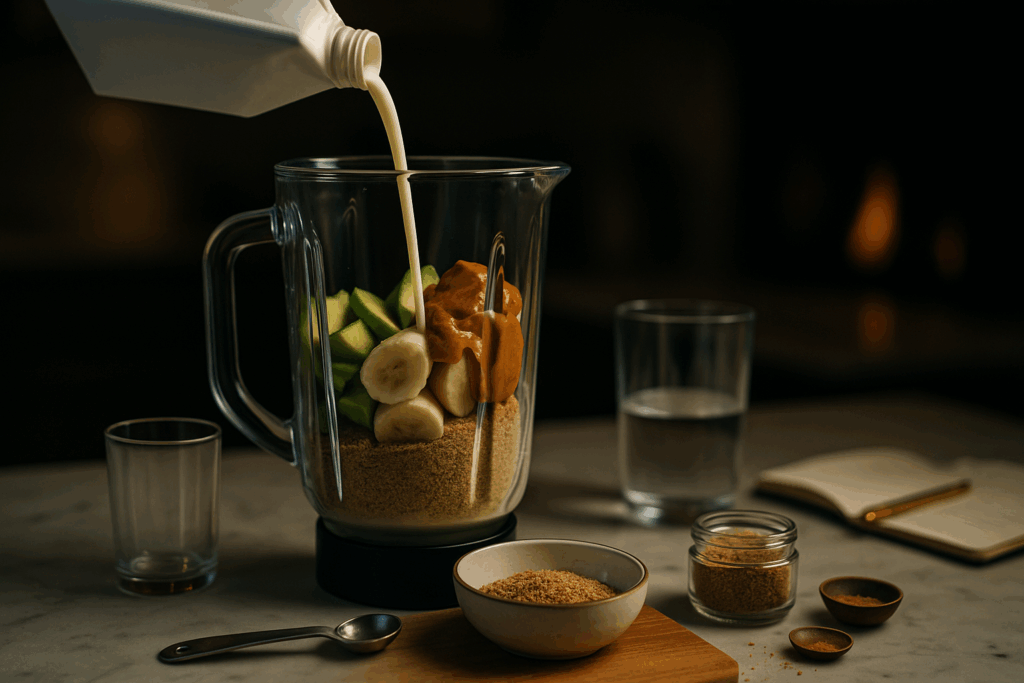
Quick & Easy Recipe: Hormone-Balancing Smoothie
Ingredients:
- 1 tbsp ground flaxseed
- ½ banana
- ½ avocado
- 1 cup unsweetened almond milk
- 1 tbsp almond butter
- ½ tsp cinnamon
Instructions:
Blend until creamy and smooth. Enjoy in the morning to stabilize blood sugar, reduce cravings, and support hormonal balance.
Daily Lifestyle Habits That Support Hormonal Balance
- Sleep 7–9 hours per night to restore cortisol and insulin sensitivity
- Limit caffeine — especially during the luteal phase
- Move your body daily with walking, yoga, or strength training
- Reduce screen time before bed to improve melatonin production
- Journal or meditate to lower chronic stress
Consistency in these habits leads to deeper hormonal healing.
FAQs
Q: Can hormonal imbalance from PCOS be reversed naturally?
Yes. While PCOS doesn’t have a permanent “cure,” symptoms can be significantly reduced — and in many cases reversed — with diet, lifestyle, and natural remedies.
Q: How long does it take to balance hormones with PCOS?
Most women begin noticing improvements within 8–12 weeks of consistent changes. Full hormone rebalancing can take 3–6 months or more.
Q: Do I need to follow seed cycling perfectly for it to work?
Not necessarily. Even adding seeds regularly (without exact timing) can provide hormone-supportive nutrients and benefits.
Q: Can I still manage hormonal balance without a regular cycle?
Yes. Use the moon cycle (new moon as day 1) as a guide, or simply follow 2-week rotations.
Q: Is it safe to use adaptogens long-term?
Yes, when used in moderation and with breaks. Always consult a healthcare provider if you’re on medication or pregnant.
Final Thoughts: Balancing Hormones is the Key to Managing PCOS Naturally
Hormonal imbalance is at the root of PCOS — and the solution lies in supporting your body’s natural rhythm, not fighting against it. Through smart nutrition, seed cycling, stress reduction, and herbal support, you can reclaim hormonal harmony and feel like yourself again.
Every small change you make builds a more balanced, vibrant, and empowered version of you. Start with what feels sustainable, and trust your body to respond — it always does when given the right tools.