



Navigating PCOS and Fertility Naturally
Polycystic Ovary Syndrome (PCOS) is one of the leading causes of infertility in women of reproductive age — but it’s also one of the most manageable. While PCOS can make getting pregnant more difficult, it doesn’t make it impossible. With the right combination of diet, lifestyle, and natural remedies, many women with PCOS go on to conceive and carry healthy pregnancies.
This guide will walk you through how PCOS impacts fertility, what’s going on hormonally, and how to use natural methods to boost ovulation, regulate your cycle, and prepare your body for conception.

Top 5 Ways PCOS Affects Fertility
- Irregular or absent ovulation (anovulation)
- High androgen levels (which interfere with egg maturation)
- Insulin resistance, leading to hormonal imbalance
- Inflammation, which disrupts ovarian function
- Thickened ovarian walls and multiple immature follicles
Understanding these root causes allows you to target your fertility plan more effectively — instead of just hoping for a regular cycle.
The PCOS–Fertility Connection: What’s Happening in Your Body
In PCOS, the ovaries produce too much testosterone and not enough estrogen or progesterone. This causes:
- Irregular or absent periods
- Poor egg quality
- Lack of ovulation (no egg released)
- A disrupted uterine environment, which affects implantation
On top of that, insulin resistance worsens the imbalance — increasing weight gain, cravings, and ovarian dysfunction.
Natural Remedies to Support Fertility in PCOS
1. Balance Blood Sugar to Support Ovulation
Insulin resistance is a major roadblock for fertility. Balancing blood sugar can restore ovulation naturally.
Tips:
- Eat protein and fat with every meal
- Cut down refined carbs and sugary snacks
- Walk after meals to improve insulin sensitivity
- Use apple cider vinegar or cinnamon before high-carb meals
2. Use Herbal Remedies Wisely
Certain herbs have been shown to regulate hormones and support ovulation:
- Vitex (Chasteberry) – boosts progesterone production
- Myo-inositol – improves insulin resistance and ovarian function
- Spearmint tea – lowers testosterone
- Maca root – supports endocrine balance
- Ashwagandha – reduces cortisol and supports adrenal health
Always consult a holistic doctor before starting herbal supplements.
3. Cycle Syncing and Seed Cycling
Working with your cycle helps balance hormones and increase chances of conception.
- Follicular phase (day 1–14): focus on flaxseed + pumpkin seed, light exercise, raw veggies
- Luteal phase (day 15–28): switch to sesame + sunflower seeds, warming foods, and rest-based workouts
This seed cycling method gently supports estrogen and progesterone levels throughout your cycle.
Nutritional Support for Fertility with PCOS
Your diet is one of the most powerful fertility tools. Focus on:
Key Fertility-Boosting Nutrients:
- Omega-3s – from flax, chia, walnuts, or fish oil
- Magnesium – from leafy greens, pumpkin seeds
- Zinc – important for egg quality and hormone production
- Vitamin D – supports regular cycles
- Folate – essential for egg development and early pregnancy
Foods to Prioritize:
- Leafy greens (spinach, kale)
- Cruciferous vegetables (broccoli, cauliflower)
- Berries and pomegranate
- Eggs, salmon, and lentils
- Anti-inflammatory spices (turmeric, cinnamon)
Daily Routine Remedies to Support Fertility
- Morning: Warm lemon water + spearmint tea + protein-rich breakfast
- Midday: Balanced lunch with healthy fats and slow carbs
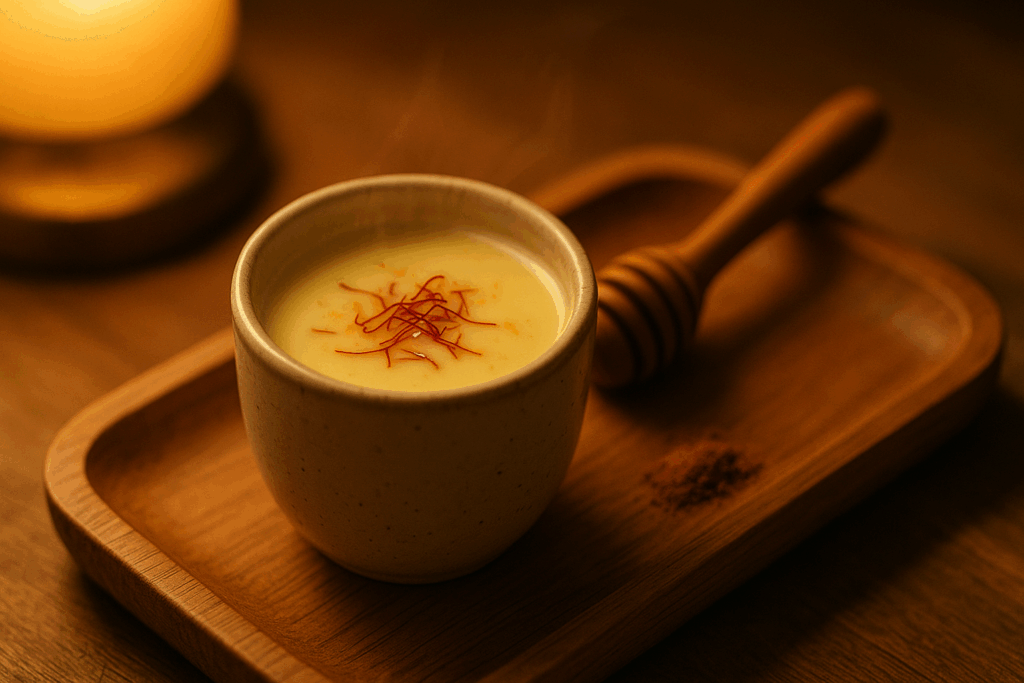
- Evening: Saffron milk or maca latte to reduce stress hormones
- Night: Track your basal body temperature (BBT) and cervical mucus to monitor ovulation
- Weekly: Gentle yoga, walking, and journaling to lower cortisol
These small steps can help your body return to a natural rhythm — a key to ovulation and implantation.
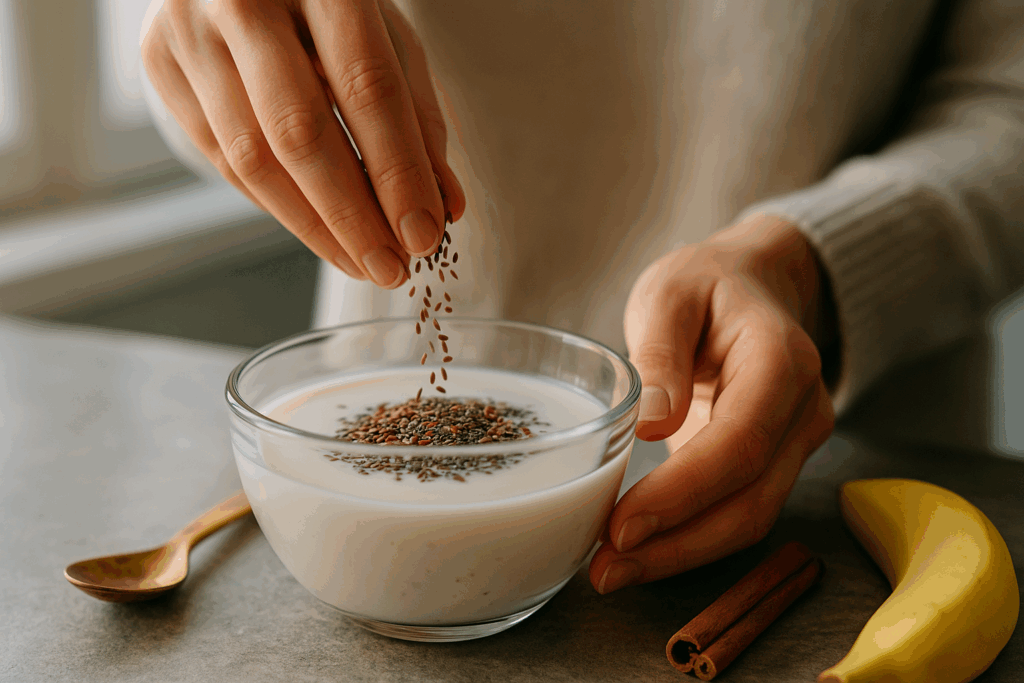
Quick & Easy Recipe: Fertility-Boosting Chia Pudding
Ingredients:
- 2 tbsp chia seeds
- 1 cup almond milk
- 1 tsp flaxseed
- ½ banana (mashed)
- ½ tsp cinnamon
- Optional: 1 tsp honey
Instructions:
Mix all ingredients and let sit overnight. Eat as a fertility-friendly breakfast that supports hormone balance, insulin sensitivity, and gut health.
Tips for Women Trying to Conceive with PCOS
- Track ovulation with OPKs and BBT, but don’t obsess
- Avoid overexercising — too much cardio may harm fertility
- Reduce toxic exposure: avoid plastics, synthetic fragrances, and processed seed oils
- Sleep 7–9 hours per night to support hormone repair
- Try castor oil packs on the lower abdomen to stimulate circulation and reduce ovarian inflammation
FAQs
Q: Can I get pregnant naturally with PCOS?
Yes. Many women conceive naturally after balancing hormones, improving insulin sensitivity, and regulating ovulation with lifestyle changes.
Q: How long does it take to restore fertility with PCOS?
Every woman is different, but many see improvement in cycles and ovulation within 3–6 months of consistent lifestyle changes.
Q: What supplements help with PCOS and fertility?
Top options include myo-inositol, omega-3, magnesium, vitamin D, and folate — often best combined under practitioner guidance.
Q: Does weight loss improve fertility in PCOS?
Yes. Even a 5–10% reduction in body weight can restore ovulation in many women.
Q: Should I avoid dairy or gluten for PCOS fertility?
Some women benefit from reducing or eliminating dairy/gluten due to inflammation. Try an elimination diet or work with a nutritionist to personalize it.

Final Thoughts: Fertility with PCOS Is Possible — and Natural Support Helps
PCOS may delay your fertility journey, but it doesn’t have to define it. By addressing your underlying hormonal imbalances — naturally, gently, and holistically — you can restore ovulation, regulate your cycle, and improve your chances of conceiving.
Start by nourishing your body. Trust your cycle. Use food, herbs, and rest as medicine. Fertility is not just about getting pregnant — it’s about creating a space in your body that welcomes new life.