

What Tarnish Really Is
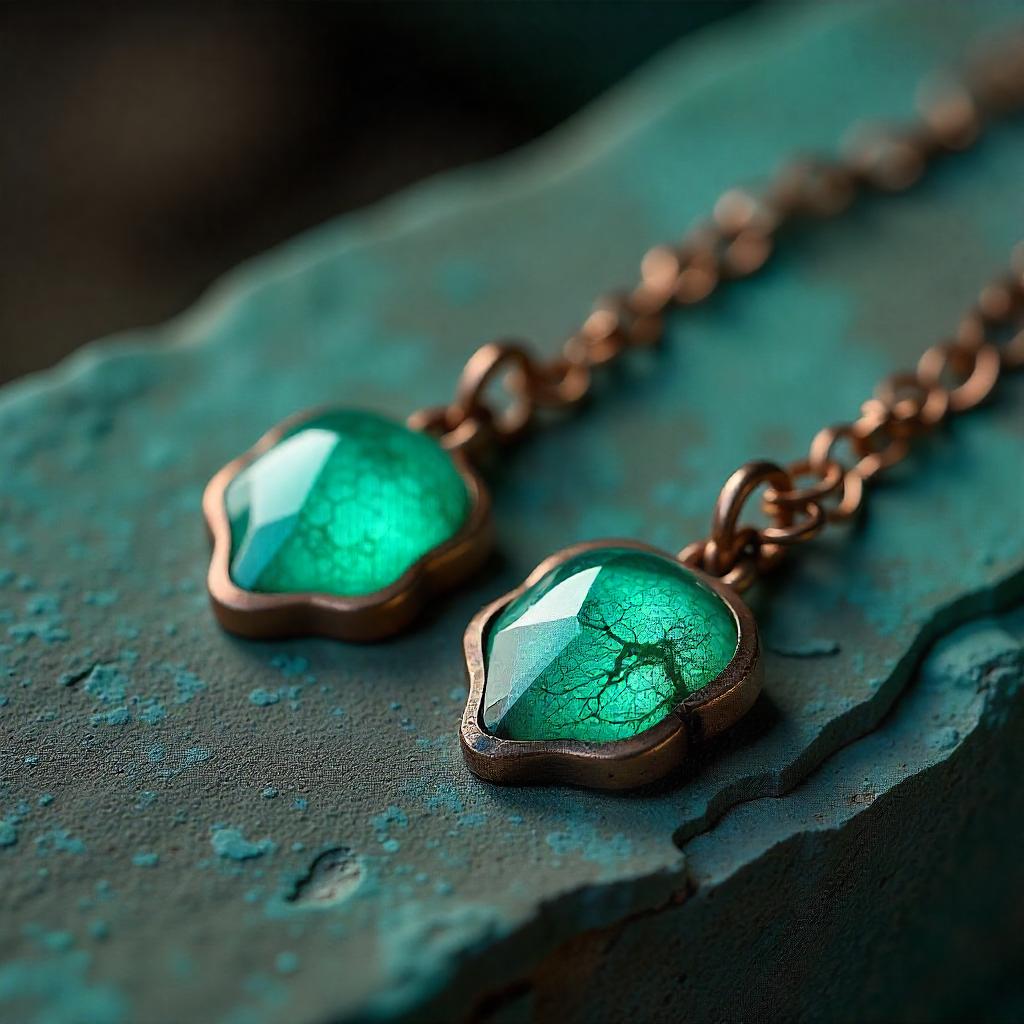
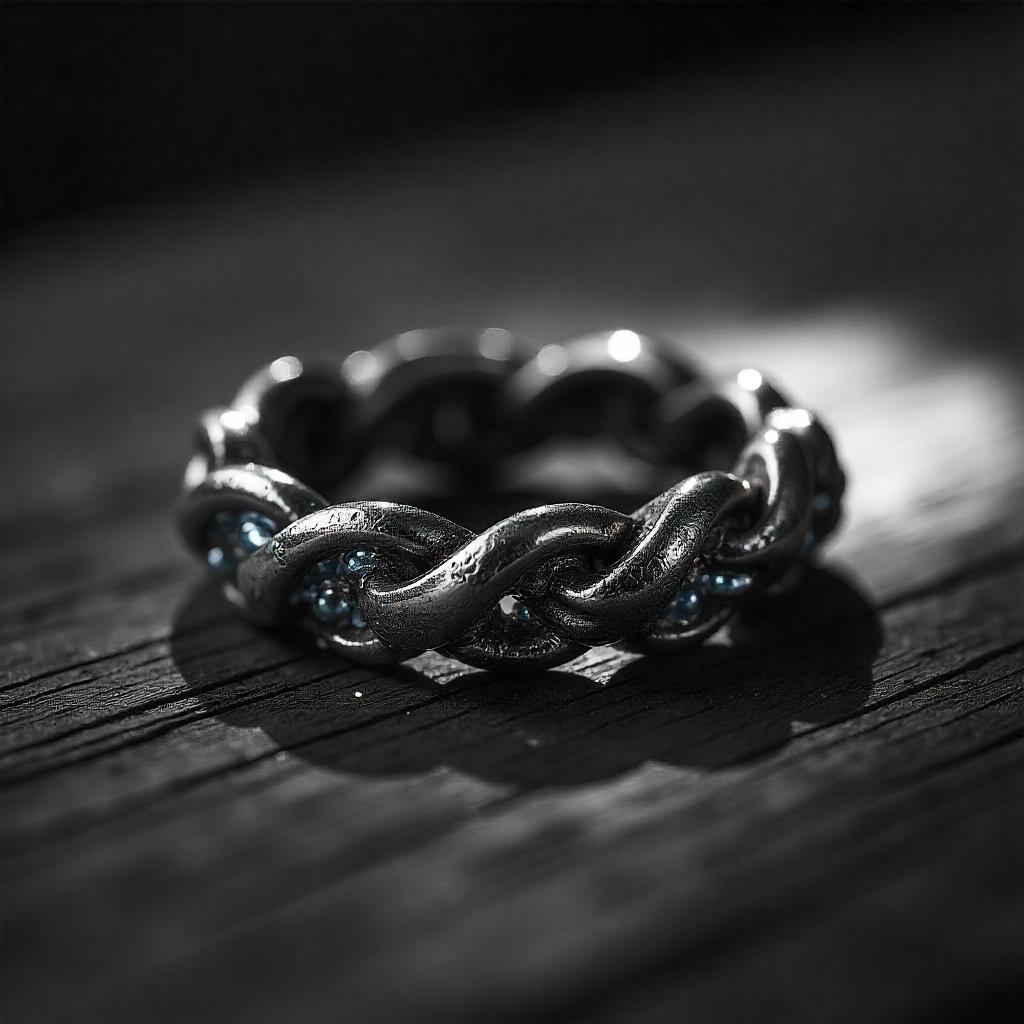
Tarnish isn’t dirt—it’s a chemical reaction. When metals like silver or copper react with oxygen, sulfur, or moisture in the air, they develop a dull, darkened surface. It’s natural, but it doesn’t mean your jewellery is ruined.
Why It Happens
- Exposure to air and humidity
- Skin oils, sweat, and lotions
- Contact with perfumes and sprays
- Wearing while swimming or showering
Even high-quality pieces like sterling silver can tarnish over time—it’s part of the material’s chemistry.
Fast Fashion = Fast Tarnish
Cheap metals are often plated with thin layers of gold or silver over base metals like brass or nickel. These wear off quickly, exposing the metal underneath, which tarnishes—and irritates skin.
How to Prevent Tarnish
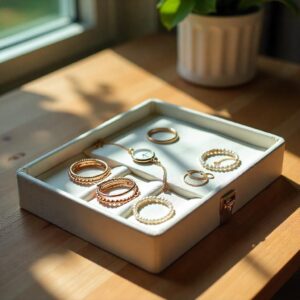
- Store it right: Keep jewellery in a cool, dry place. Use anti-tarnish pouches or cloths.
- Avoid moisture: Remove jewellery before working out, swimming, or showering.
- Keep it clean: Wipe down pieces after wearing to remove oils and residue.
- Put it on last: Apply lotions, perfumes, and hair products first—then your jewellery.
How to Clean Tarnished Jewellery
- Silver polish cloths: Quick fix for sterling silver
- Baking soda & water paste: Gentle cleaning for tarnished pieces
- Dish soap & warm water: For plated or delicate jewellery (use a soft brush)
Avoid abrasive cleaners or rough scrubbing, especially on gold-plated or delicate stones.
Materials That Resist Tarnish
- Solid gold (14K and up)
- Stainless steel
- Platinum
- Gold vermeil (thicker gold over sterling silver)
These hold up better over time—especially with the right care.
Conclusion: Tarnish Doesn’t Mean Trash
Tarnish is normal, not failure. With the right habits and a little maintenance, your jewellery can stay bright, shiny, and beautiful for years. The goal isn’t perfection—it’s longevity. Treat your pieces well, and they’ll shine back.