



Why Is Saffron Called “Red Gold”?
Often referred to as “Red Gold”, saffron (known locally as zafran) is the most expensive spice in the world — and with good reason. It’s prized not only for its deep color, floral aroma, and unique flavor, but also for its remarkable health benefits, cultural significance, and centuries-old use in beauty and medicine.
So, what gives saffron its elite status? Is it just a luxury, or does it offer true wellness value — especially for women seeking natural healing?
Let’s uncover the truth about saffron’s legacy as red gold — and how to use it in everyday life.
Why Is Saffron Called “Red Gold”?
The term “red gold” highlights saffron’s:
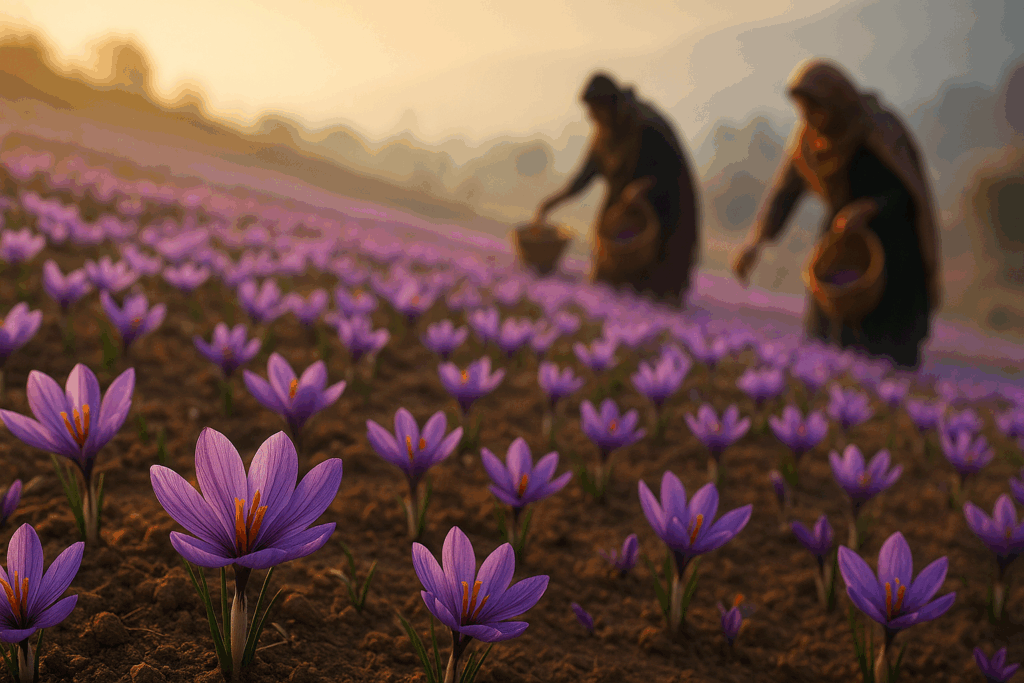
- Scarcity: Each saffron thread is hand-picked from the Crocus sativus flower, which blooms only for a few days each year. It takes 75,000 flowers to produce 1 pound of saffron.
- Labor-intensive harvest: Flowers must be picked at dawn and stigmas separated by hand. No machines involved.
- High value per gram: Saffron can cost more than gold by weight.
- Versatility: Used in culinary dishes, traditional medicine, religious rituals, and natural skincare.
But saffron is more than a luxury spice — it’s a healing herb, deeply rooted in wellness traditions from Persia to Pakistan, Ayurveda to Unani.
Top 6 Health Benefits of Zafran (Saffron)
- Balances mood and reduces anxiety
- Supports hormonal health and fertility
- Improves skin glow and reduces pigmentation
- Boosts brain function and memory
- Aids digestion and reduces bloating
- Acts as a powerful antioxidant and anti-inflammatory agent
Nutritional and Medicinal Compounds in Saffron
What makes saffron so powerful is its unique mix of bioactive compounds, including:
- Crocin – responsible for its bright color and antioxidant activity
- Safranal – gives saffron its aroma; supports mood and memory
- Picrocrocin – contributes to its bitter taste and digestive benefits
- Flavonoids and carotenoids – protect against oxidative stress
- Vitamin B6 and iron – support hormone balance and energy
These compounds are highly concentrated — even just a few strands can deliver noticeable effects.
Daily Use of Saffron: More Than Just a Spice
How to Incorporate Saffron into Your Routine:
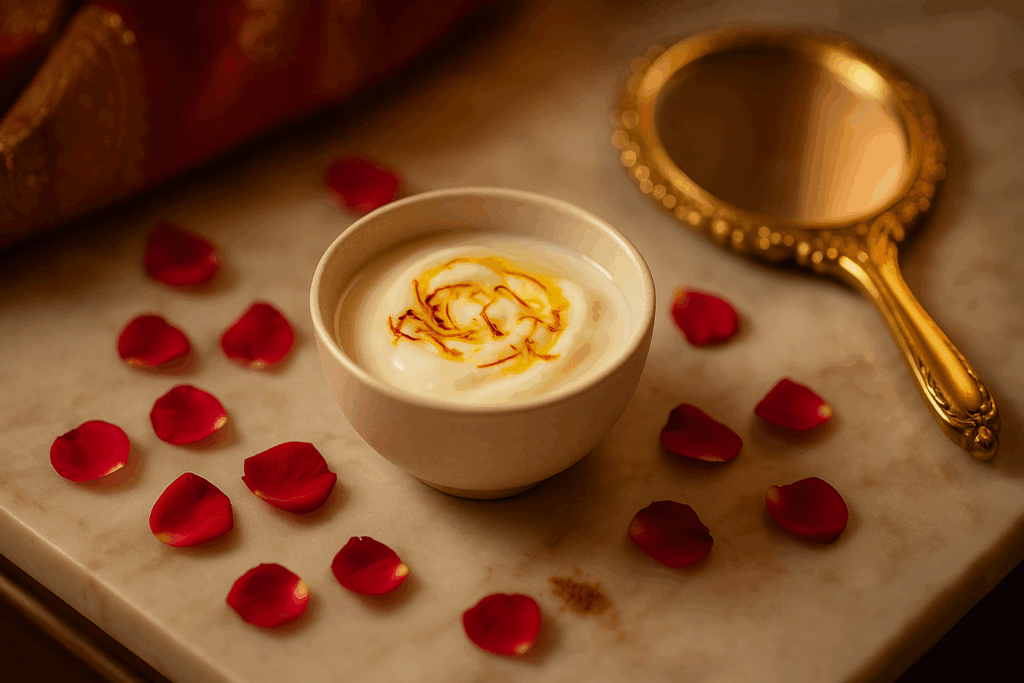
- In milk: Traditional saffron milk is used for stress, sleep, and skin glow
- In skincare: Infused in oils or masks for brightening and anti-aging
- In warm water or tea: Soothing for digestion and PMS relief
- With honey: Enhances energy, mood, and immunity
- For fertility: Supports ovulation and hormonal balance
Saffron works best when used consistently in small doses — about 2–4 strands daily is enough.
Quick & Easy Recipe: Saffron Golden Glow Elixir
Ingredients:
- 1 cup warm almond or dairy milk
- 3–4 saffron strands
- ½ tsp turmeric
- 1 tsp raw honey
- Pinch of cardamom
Instructions:
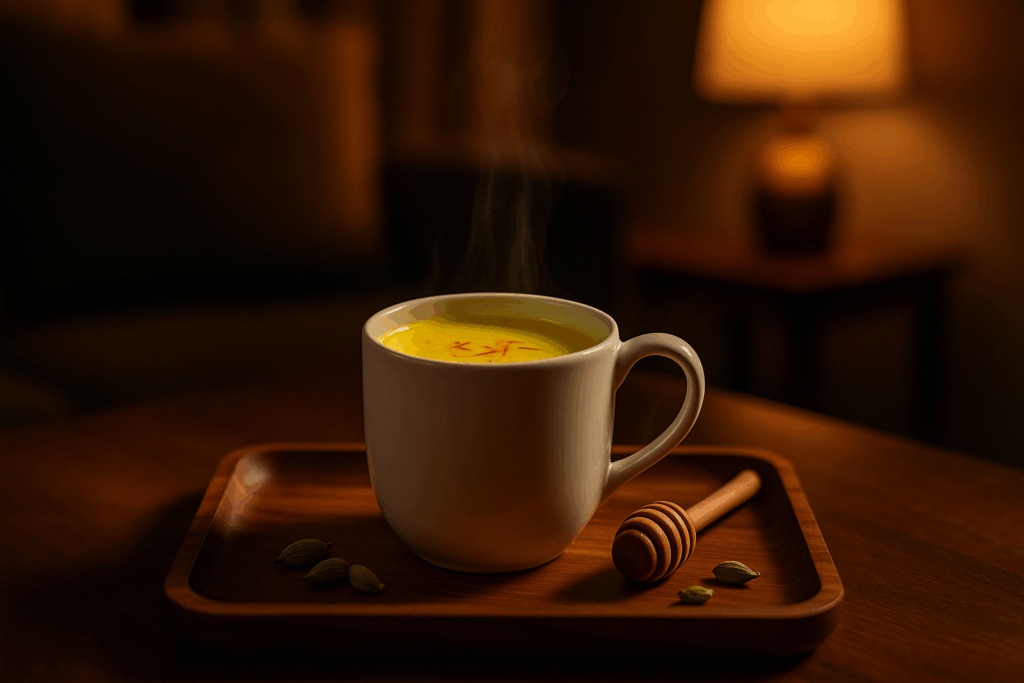
Soak saffron in a spoon of warm water for 10 minutes. Add to milk with turmeric and cardamom. Stir in honey and drink before bed for better sleep, glowing skin, and reduced anxiety.
Tips for Buying and Using Saffron
- Look for deep red strands with slight orange tips
- Avoid saffron that’s powdered, bleached, or artificially colored
- Always soak before use to release full benefits
- Store in an airtight container in a dark, cool place
- Use sparingly — saffron is potent even in small amounts
Note: If the price seems too good to be true, it’s likely not pure.
Cultural and Historical Significance of Saffron
Saffron has been used for over 3,000 years across civilizations for:
- Royal and religious rituals
- Perfumes and textile dyes
- Ayurvedic and Unani medicines
- Bridal and postpartum care in South Asia
In ancient texts, saffron was revered as an elixir of life — promoting vitality, purity, and joy.
Today, it continues to be used in weddings, sacred ceremonies, and healing traditions, especially for women’s wellness and fertility.
FAQs
Q: Why is saffron so expensive?
Its high cost comes from labor-intensive harvesting and the large number of flowers needed to produce just a small amount.
Q: What is the best way to consume saffron daily?
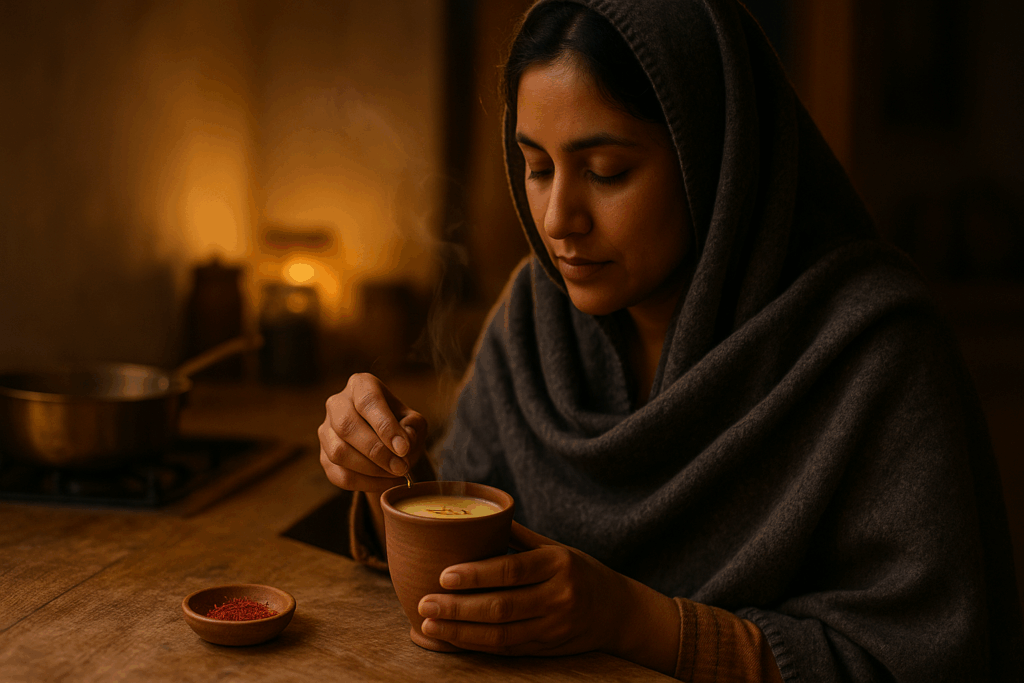
Soaking a few strands in warm water or milk, then drinking it, is both effective and traditional.
Q: Does saffron really help with skin glow?
Yes. It improves circulation, reduces inflammation, and boosts radiance — from both internal and topical use.
Q: Is saffron safe to take every day?
Yes, in small amounts (2–4 strands/day). Avoid excess, especially during pregnancy unless guided by a professional.
Q: Is saffron suitable for people with PCOS or hormonal issues?
Yes. Saffron helps regulate cortisol, balance estrogen, and improve mood — all helpful for PCOS and hormonal imbalances.
Final Thoughts: Red Gold is More Than a Luxury — It’s Healing Wisdom
Saffron has earned its name as “red gold” — not just because of its rarity, but because of its incredible value for health, beauty, and emotional well-being. For women especially, it’s a versatile and nourishing remedy that fits easily into a modern wellness routine.
Whether you’re looking to brighten your skin, balance your hormones, or simply calm your mind, a few strands of saffron each day can go a long way.