


Why Sleep is a Struggle for So Many Women
A restful night’s sleep is one of the most essential pillars of health, yet many women struggle with insomnia, restless nights, and hormonal sleep disruptions. Whether caused by stress, anxiety, hormonal imbalance, or lifestyle habits — poor sleep impacts everything from mood and metabolism to skin and immunity.
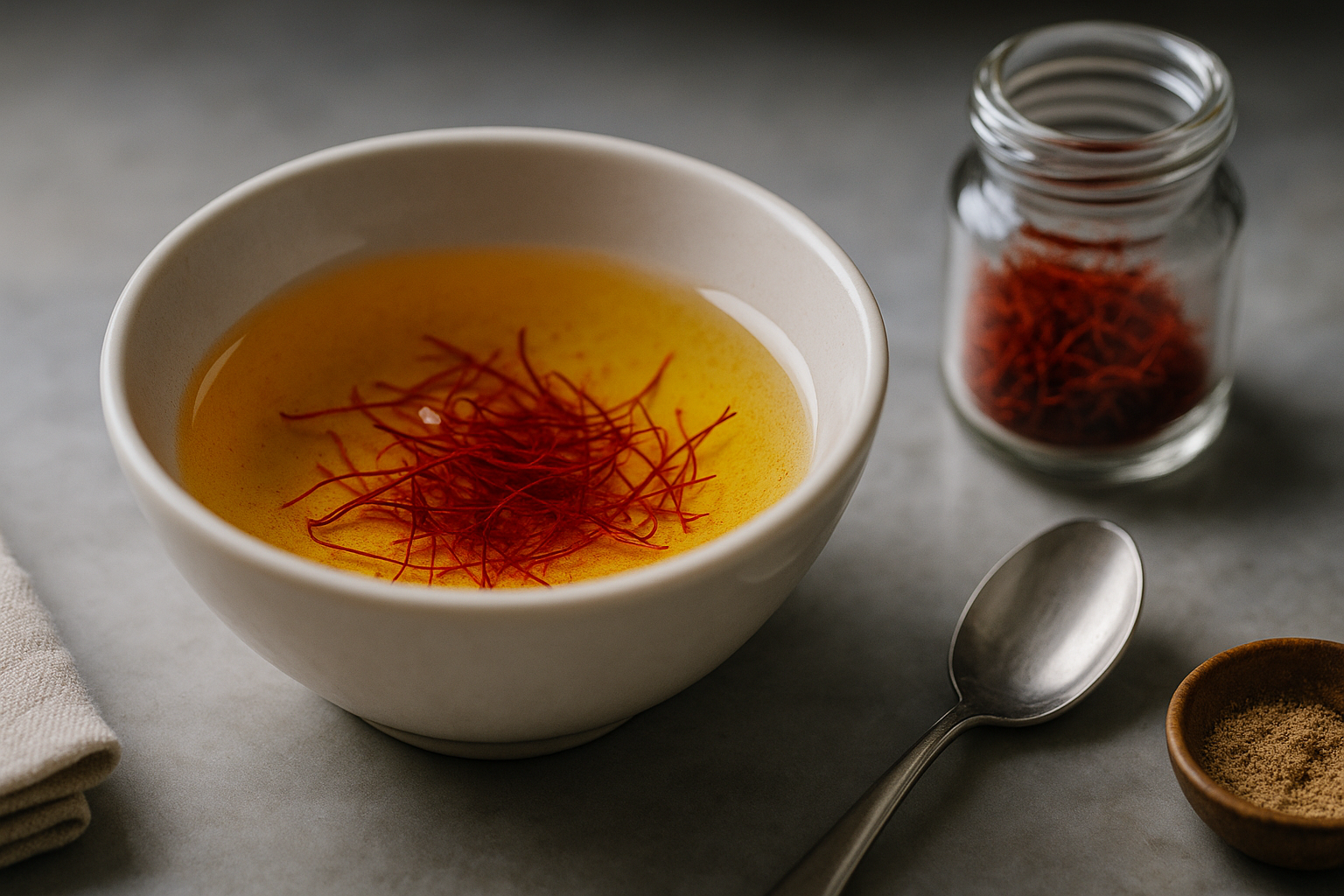
Enter saffron — also known as zafran. This golden spice, often used in traditional remedies, is now backed by modern science for its ability to promote deep, restorative sleep naturally. But how does it work, and how should it be used?
This article uncovers the truth about saffron’s role in sleep, including when to take it, how much, and what benefits you can expect.
Top 5 Benefits of Saffron for Sleep and Relaxation
- Promotes deeper, uninterrupted sleep cycles
- Reduces anxiety and restlessness before bed
- Supports melatonin production for better circadian rhythm
- Improves mood and emotional balance (especially during PMS)
- Helps with hormonal sleep disruptions during PCOS or menopause
Why Saffron Helps You Sleep Better
Saffron contains bioactive compounds such as crocin and safranal, which have a calming effect on the nervous system. These compounds increase serotonin levels, reduce cortisol (the stress hormone), and support melatonin production — the hormone responsible for regulating your sleep-wake cycle.
Research shows that saffron extract can improve sleep quality in as little as 7 days, without causing morning grogginess or dependency — unlike many over-the-counter sleep aids.
Saffron and Women’s Hormonal Sleep Disruptions
Women often experience poor sleep due to:
- PMS and premenstrual anxiety
- PCOS-related hormone fluctuations
- Perimenopause or menopause (hot flashes, night sweats)
- Postpartum recovery
Saffron can help balance neurotransmitters, support progesterone levels, and calm the nervous system — making it particularly helpful for women dealing with hormone-related sleep problems.
Daily Use: How to Take Saffron for Better Sleep
Consistency and correct dosage are key. The typical sleep-supporting dose is 30–50mg of saffron extract per day (or about 2–4 high-quality saffron strands).
Best Times to Take:
- 1 hour before bed
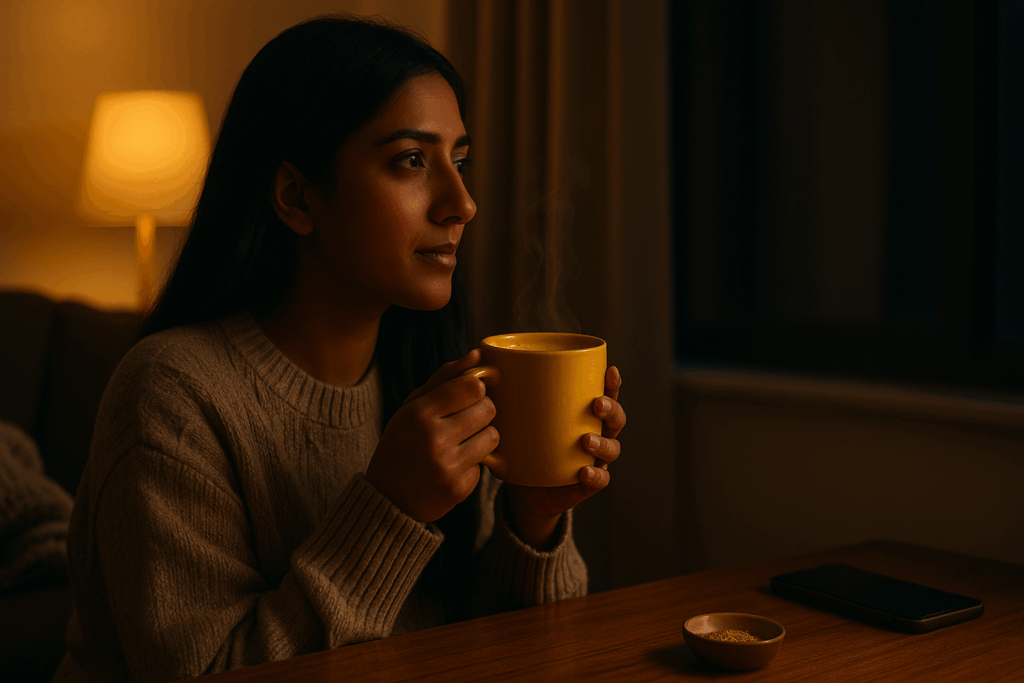
- In a calming nighttime drink
- Alongside other adaptogens (optional)
Recommended Methods:
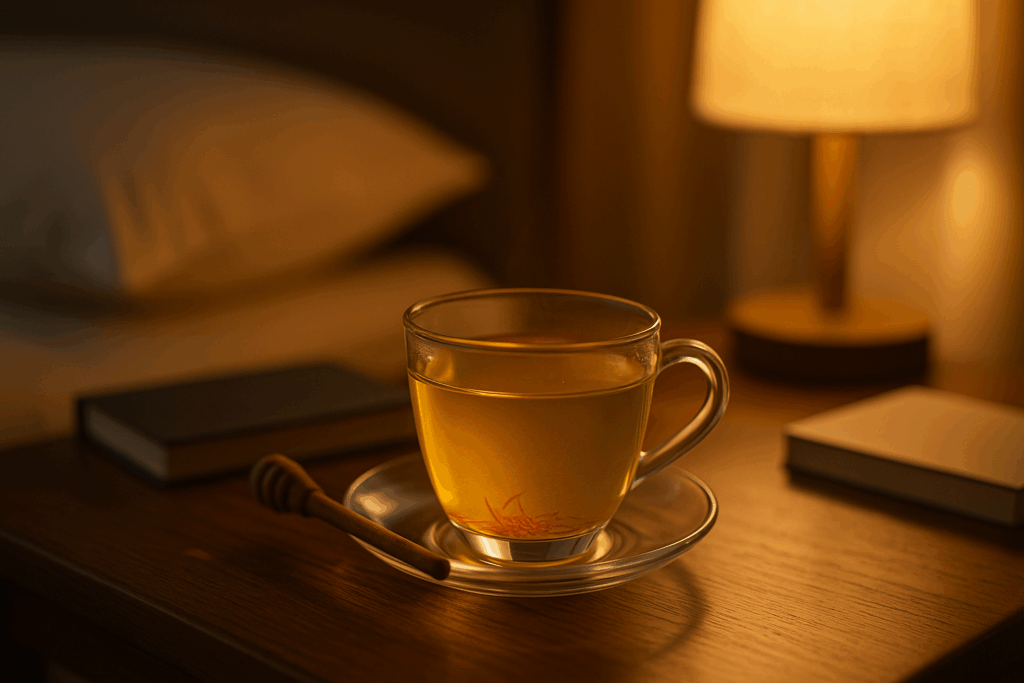
- Saffron Tea: Steep 2–3 strands in warm water, add honey if desired
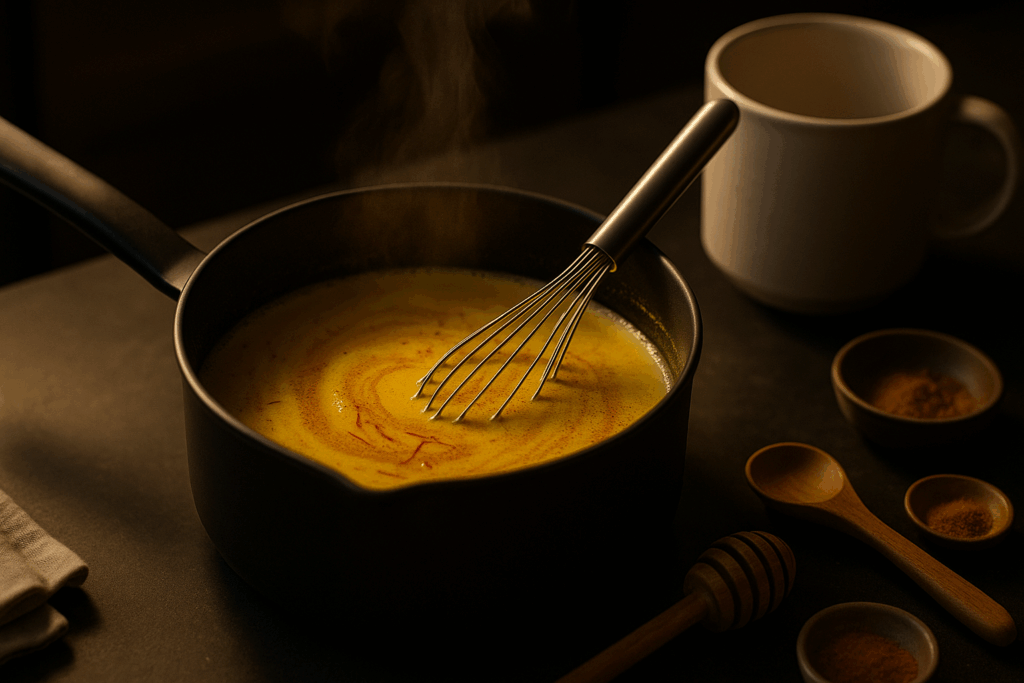
- Golden Milk with Saffron: Combine with warm milk, turmeric, and cinnamon
- Saffron Water: Soak a few strands in water and drink before sleep
- Supplements: Look for clinically tested saffron sleep formulas
Quick & Easy Recipe: Saffron Sleep Latte
This calming drink relaxes the mind and body naturally — no chemicals, no dependency.
Ingredients:
- 1 cup warm oat or almond milk
- 3 saffron strands (soaked in 1 tbsp hot water for 10 minutes)
- ¼ tsp cinnamon
- ½ tsp turmeric
- 1 tsp raw honey (optional)
Instructions:
Heat the milk gently. Add soaked saffron, cinnamon, turmeric, and honey. Stir well. Drink slowly 30–60 minutes before bed.
Tips for Buying and Storing Saffron
- Choose deep red strands with strong aroma
- Avoid powdered saffron unless certified and pure
- Store in a dark, airtight container away from sunlight
- Soak strands before using to release full flavor and nutrients
- Start with 2–3 strands per serving — a little goes a long way
FAQs
Q: How long does it take for saffron to improve sleep?
Most people notice better sleep within 7–14 days of consistent use.
Q: Can saffron replace sleep medication?
While saffron is not a drug, many people use it as a natural alternative to synthetic sleep aids — without dependency or side effects.
Q: Is saffron safe to take daily?
Yes, when used in small amounts (30–50mg daily or 2–4 strands), saffron is safe and well-tolerated.
Q: Does saffron make you drowsy during the day?
No. Saffron promotes natural sleep rhythm without causing grogginess or daytime fatigue.
Q: Can I combine saffron with other sleep herbs?
Yes. It pairs well with ashwagandha, chamomile, tulsi, or magnesium for a more complete relaxation blend.
Final Thoughts: Let Nature Guide You to Restful Sleep
Saffron offers a simple, time-tested solution to one of the most common challenges in modern life: poor sleep. With its calming, balancing, and hormone-supportive properties, saffron can help women feel more relaxed at night and more energized during the day.
No pills. No side effects. Just a warm cup, a few golden strands, and a commitment to your wellbeing.
Make sleep a priority — and let saffron support you naturally.