

History Repeats in Style
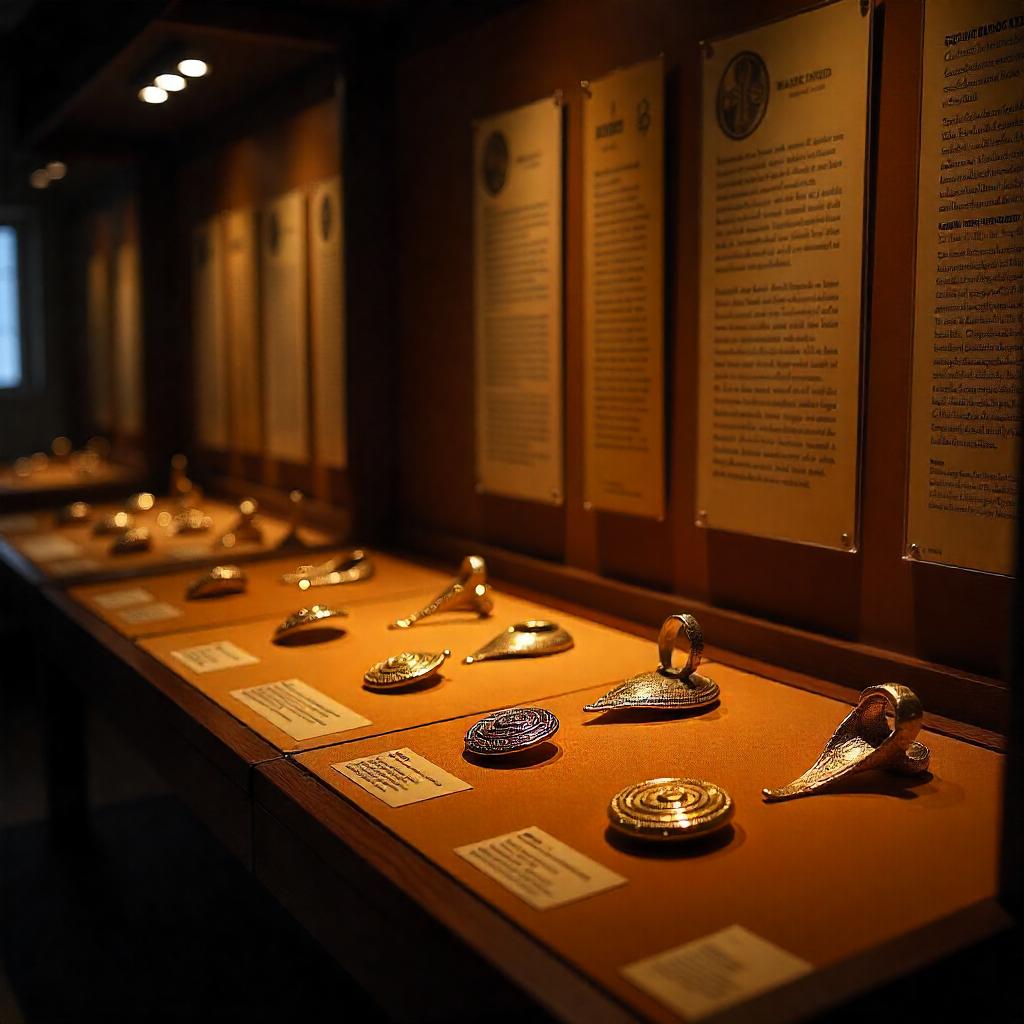
Today’s hottest jewellery trends aren’t as new as they seem. From stacked rings to chunky chains, many of the looks we love trace back thousands of years. Jewellery has always been a symbol—of power, love, protection, and self-expression.
Stacked Rings: From Pharaohs to Fashionistas
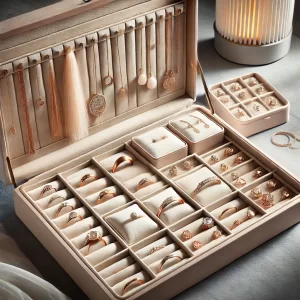
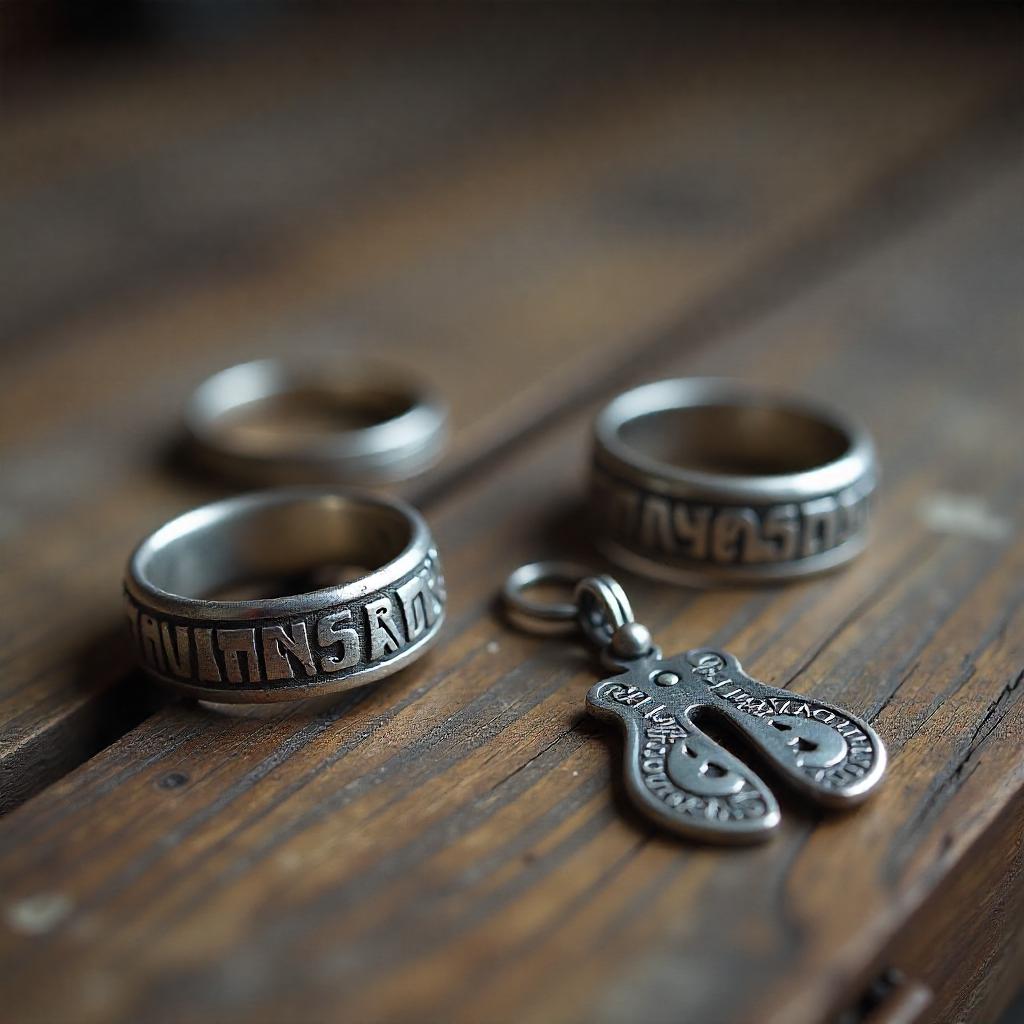
Ancient Egyptians wore stacked rings to show status and align with spiritual beliefs. Today, we layer rings for personal style—but the roots go deep. The idea of multiple rings as a visual story is nothing new.
Hoops: A Global Classic
Hoop earrings have been worn since at least 2500 B.C. across African, Latin American, and South Asian cultures. Once a symbol of strength, identity, and femininity, they now appear on red carpets and in everyday wear—with the same bold energy.
Chain Links: Power in Every Loop
Heavy gold chains were worn by kings, warriors, and priests in cultures from Rome to Ghana. Today’s chunky links and collar necklaces echo that sense of strength and presence. They’re not just fashion—they’re legacy.
Charms and Talismans: Protection Through the Ages
Whether it’s the evil eye, hamsa, or initial pendants, charms date back to ancient times as protective symbols. What we now wear as cute or meaningful accessories once warded off spirits and told stories of lineage and belief.
Body Jewellery: More Than a Trend
Nose rings, anklets, and waist chains all have roots in global traditions:
- Nose rings in Indian bridal culture
- Anklets in ancient Mesopotamia and Egypt
- Waist beads in West African heritage
These trends aren’t just aesthetic—they’re cultural continuities.
Materials That Last
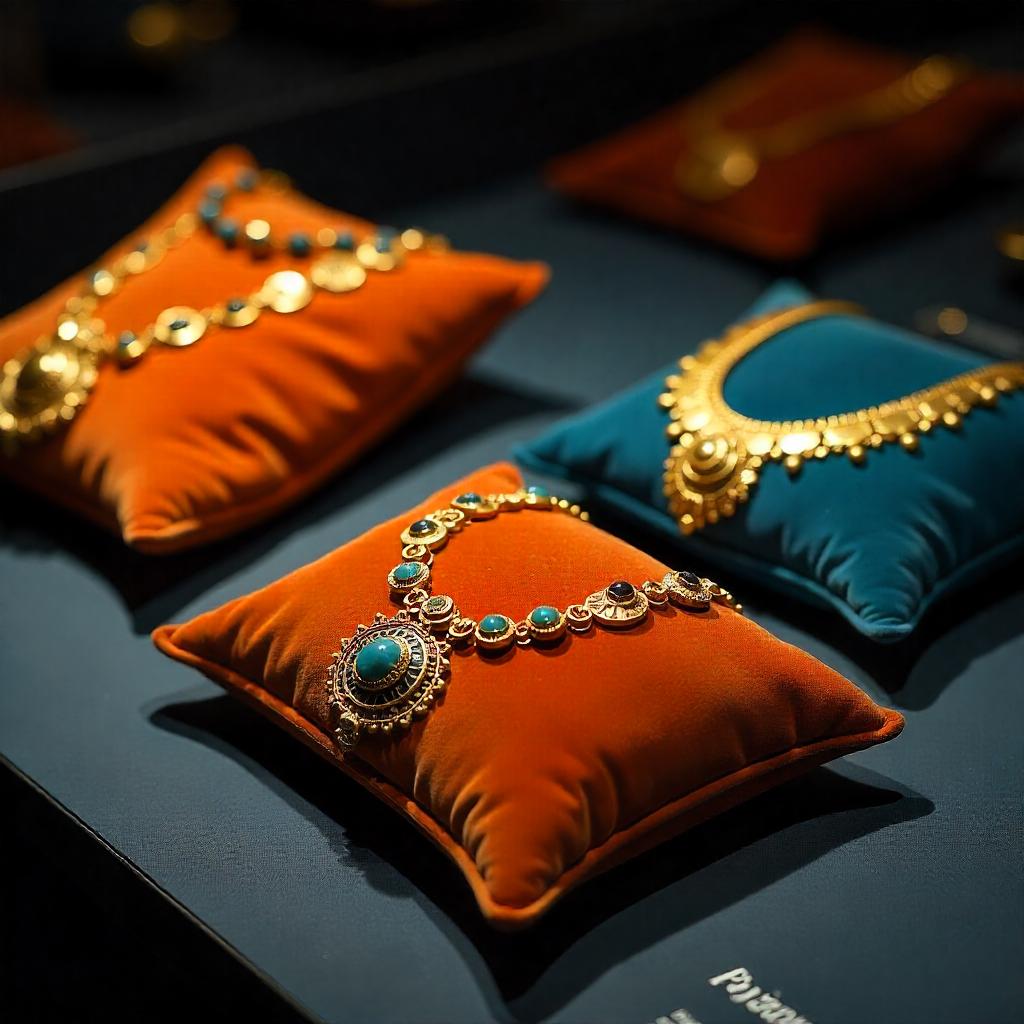
Gold, silver, lapis lazuli, turquoise—many of the materials we use today were prized in ancient civilizations. Their beauty and durability stood the test of time.
Conclusion: Fashion Has a Memory
Modern jewellery trends are part of a much older story. When you wear a piece that feels powerful, bold, or timeless—it probably is. Because style evolves, but symbolism endures. Your favourite trend might just be thousands of years old.