

A History Bigger Than Gender
Long before jewellery was marketed with pink boxes and dainty designs, it was worn by kings, warriors, and spiritual leaders. Across nearly every culture, jewellery has been a universal marker of power, protection, and identity — not a gendered accessory.
Ancient Status Symbols
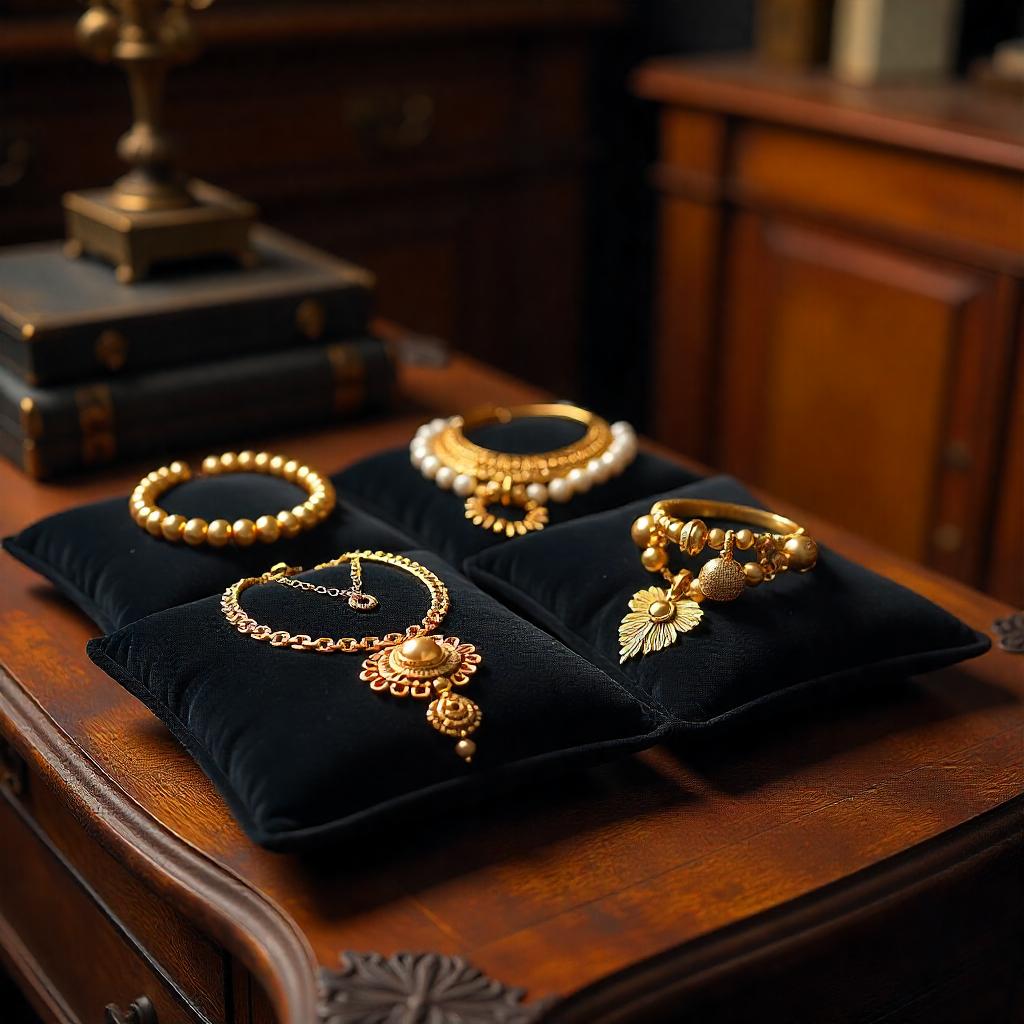
- Pharaohs and Roman emperors adorned themselves with heavy gold chains, gemstone rings, and elaborate headpieces.
- Vikings and Celtic tribes wore intricate brooches and arm cuffs that signified rank and tribe.
- Samurai and maharajas layered pearls and precious stones as signs of honor and authority.
More Than Decoration
Jewellery wasn’t just about beauty. It served to:
- Ward off evil (think amulets and talismans)
- Show allegiance or status
- Mark rites of passage, from coming-of-age to victories in battle
Modern Men, Timeless Tradition
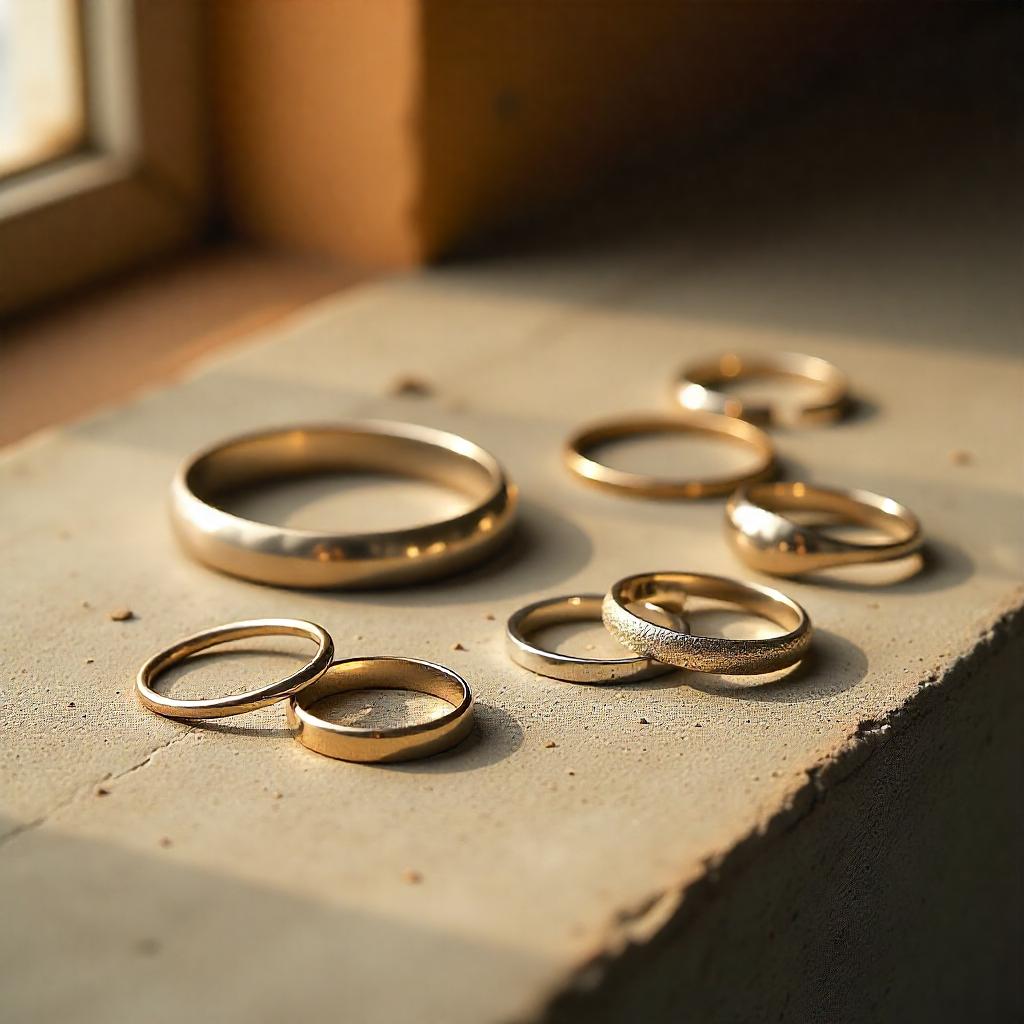
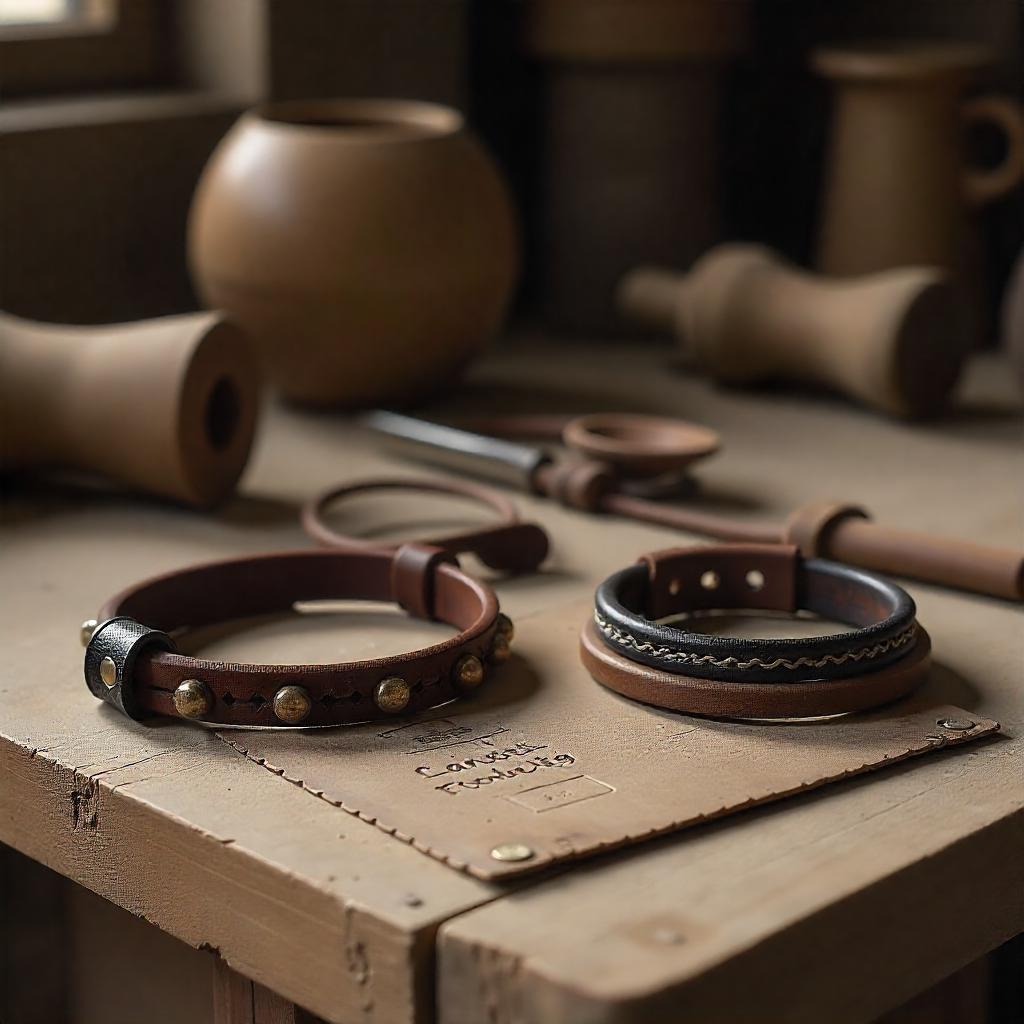
Today’s men are reclaiming this legacy — from simple chains and signet rings to layered bracelets and even pearl necklaces. It’s less a trend, more a return to jewellery’s roots.
Why It Matters
- Wearing jewellery is an act of self-expression, confidence, and sometimes quiet rebellion against outdated norms.
- It connects us to thousands of years of human tradition, where personal adornment had meaning far beyond gender.
Conclusion: Style Has No Gender
Jewellery never truly belonged to one gender. It’s always been about who you are, where you come from, and what you want to say without words. Whether it’s a delicate chain or a bold ring, wear what feels like you — because that’s exactly what jewellery was always meant for.