



The Hidden Ingredient That May Be Slowing Your Weight Loss
Many people in Pakistan struggle with the same frustration:
They reduce portion sizes, avoid desserts, and even skip meals — yet their weight barely changes.
In many cases, the real obstacle isn’t how much people eat. It’s what their daily staple foods are made from.
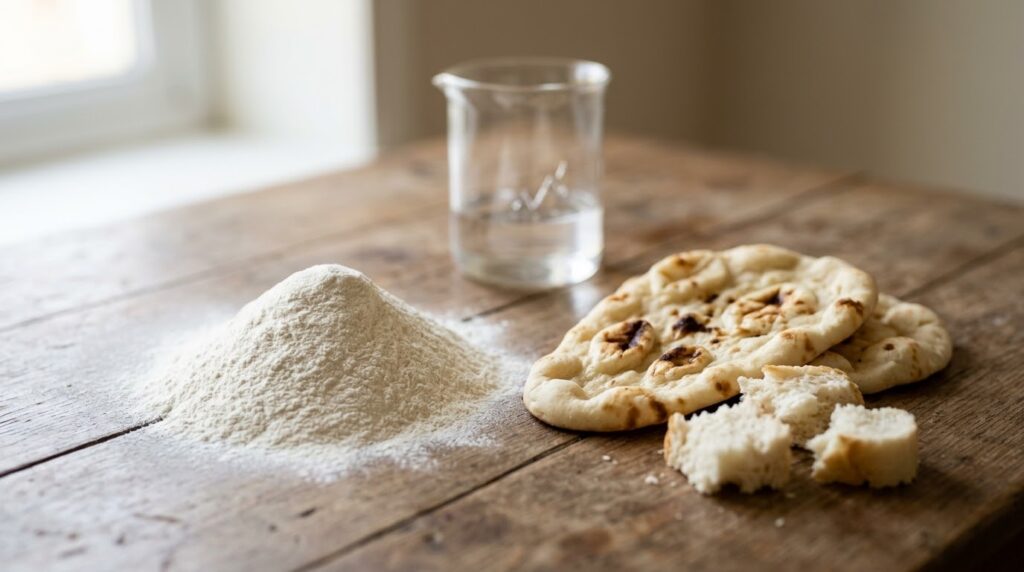
White flour, often called maida, is one of the most widely used ingredients in modern diets. From naan and bakery items to snacks and packaged foods, it appears everywhere.
But what many people don’t realize is that refined flour behaves very differently inside the body compared with whole grains.
Understanding this difference is essential if you want sustainable weight control.
What Exactly Is White Flour?
White flour is made by milling wheat and removing several important parts of the grain.
The wheat kernel contains three layers:
• Bran – rich in fiber
• Germ – contains vitamins and healthy fats
• Endosperm – primarily carbohydrates
During the refining process, the bran and germ are removed, leaving mostly the endosperm.
This improves texture and shelf life, but it also removes a significant portion of the grain’s nutrients and fiber.
The result is a flour that digests quickly and provides fewer beneficial nutrients.
Why White Flour Can Lead to Weight Gain
One of the main concerns with refined flour is how quickly it raises blood sugar.
When foods made from white flour are eaten:
- Carbohydrates break down rapidly into glucose
- Blood sugar levels rise quickly
- The body releases insulin to manage the spike
Insulin helps move glucose into cells, but it also signals the body to store excess energy as fat.
Frequent insulin spikes after meals can make it harder for the body to burn stored fat efficiently.
Over time, this metabolic pattern can contribute to gradual weight gain, especially around the abdomen.
Common Maida Side Effects
Refined flour is not inherently harmful in small amounts, but regular heavy consumption may contribute to several dietary issues.
Some commonly discussed maida side effects include:
• reduced fiber intake
• quicker hunger after meals
• energy crashes during the day
• digestive discomfort for some individuals
Because refined flour lacks fiber, meals based heavily on it often do not provide long-lasting fullness.
This can lead to frequent snacking or larger portions later in the day.
Refined Flour and Digestive Health
Fiber plays a crucial role in maintaining healthy digestion.
Without enough fiber, digestion may slow and gut bacteria may receive less nourishment.
Research suggests that whole grains support a healthier gut microbiome compared with refined grains.
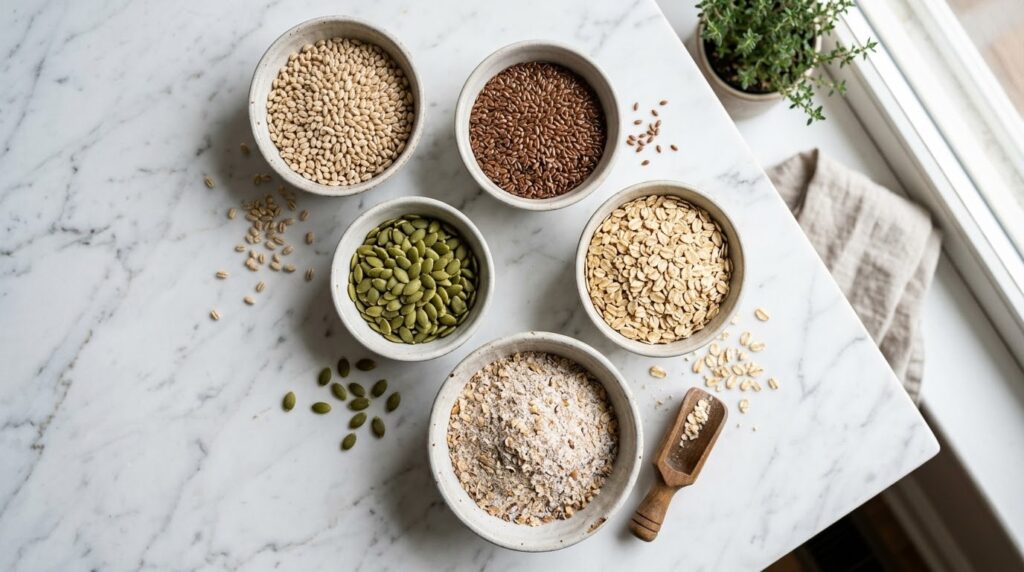
Whole grains provide:
• dietary fiber
• resistant starch
• essential minerals like magnesium and zinc
These nutrients help support digestive balance and metabolic health.
Whole Grains vs Refined Flour
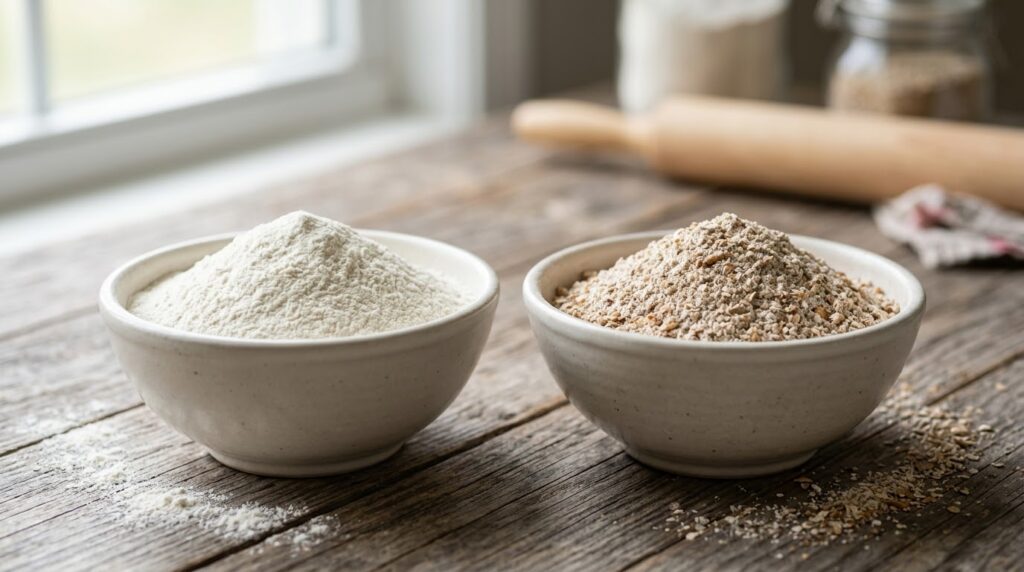
The main difference between refined flour and whole grains lies in their nutritional composition.
Whole grains contain all parts of the grain, providing:
• more fiber
• slower digestion
• improved satiety
• better blood sugar balance
Because of these properties, whole grains are often recommended in balanced weight management diets.
Slow digestion helps maintain steady energy levels and prevents sudden hunger spikes.
Why Slow Release Carbs Matter
Carbohydrates that digest slowly are sometimes referred to as slow release carbs.
These foods provide a steady flow of energy rather than sudden spikes.
Examples include:
• whole grain flour
• barley
• oats
• legumes
• seeds
Slow release carbohydrates are often included in healthy eating patterns because they help maintain stable energy throughout the day.
A Simple Multigrain Roti Recipe
If you want to reduce refined flour intake without giving up roti, one option is to combine whole grains.
Ingredients
1 cup Organic & Pure Multigrain Flour
1 tablespoon ground Organic & Pure Flax Seeds
½ teaspoon Organic & Pure Ajwain
Warm water
Pinch of salt
Instructions
- Mix flour, flax seeds, ajwain, and salt in a bowl.
- Add warm water slowly while kneading.
- Rest dough for about 10 minutes.
- Roll thin rotis and cook on medium heat.
Adding seeds and whole grains increases fiber and improves nutritional balance.

Small Dietary Changes That Can Help
Instead of eliminating familiar foods entirely, consider these gradual changes:
• include more whole grains in meals
• increase fiber intake through seeds and vegetables
• balance carbohydrates with protein and healthy fats
• stay physically active throughout the day
These habits can support better metabolic health over time.
Final Thoughts
White flour is widely used in modern diets because it is convenient and versatile.
However, understanding the difference between refined grains and whole grains can help people make more informed food choices.
For individuals trying to manage their weight, focusing on fiber-rich foods, balanced meals, and consistent habits may be more effective than strict dieting.
Small improvements in everyday ingredients often make a significant difference over time.