

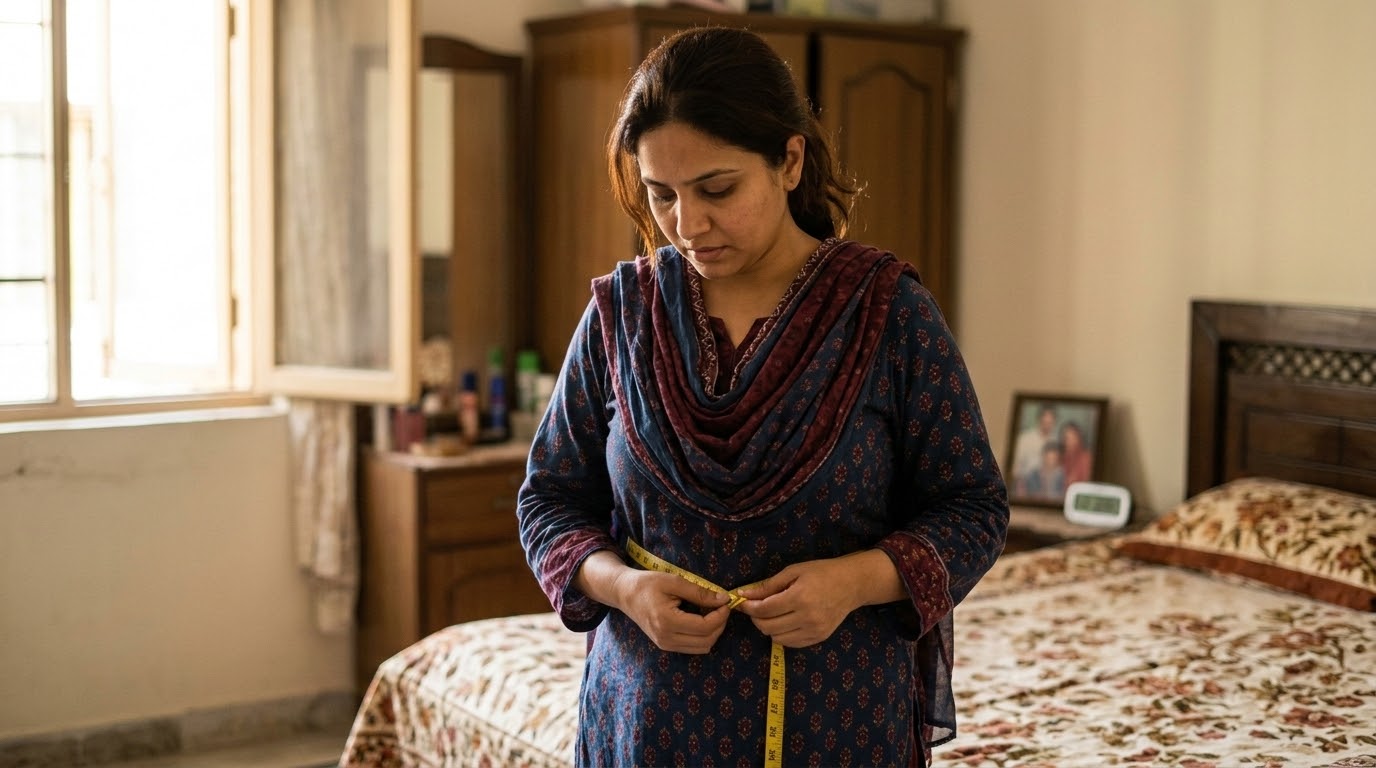

Why Belly Fat Is So Common Today
Across Pakistan, many people complain about the same issue:
Even when they are not overeating, their stomach area seems to grow heavier and more stubborn over time.
Busy schedules, long sitting hours, and processed food habits all play a role. But one of the biggest reasons belly fat becomes difficult to manage is how modern diets affect metabolism.
Many people try strict diets, skip meals, or remove roti completely. These approaches rarely last long.
The good news is that you don’t always need extreme dieting to see improvements.
Often, small changes in everyday foods can make a noticeable difference.

The Real Problem: Blood Sugar Spikes
Many traditional Pakistani meals are heavy in refined carbohydrates.
White flour, sugary tea, fried snacks, and large portions of rice can cause rapid increases in blood sugar.
When blood sugar rises quickly, the body releases insulin to control it. Insulin’s job is to move glucose out of the bloodstream and store excess energy.
When this cycle happens repeatedly, the body becomes more likely to store fat around the abdomen.
This is why diets based on refined flour often lead to slow, stubborn belly fat gain.
Why Fiber Matters for Fat Loss
Fiber is one of the most overlooked nutrients in the Pakistani diet.
Fiber helps by:
• Slowing digestion
• Supporting gut bacteria
• Reducing hunger spikes
• Improving blood sugar control
Research published in The Journal of Nutrition shows that higher fiber intake is associated with lower body weight and improved metabolic health.
Whole grains and seeds are among the most effective natural sources of fiber.
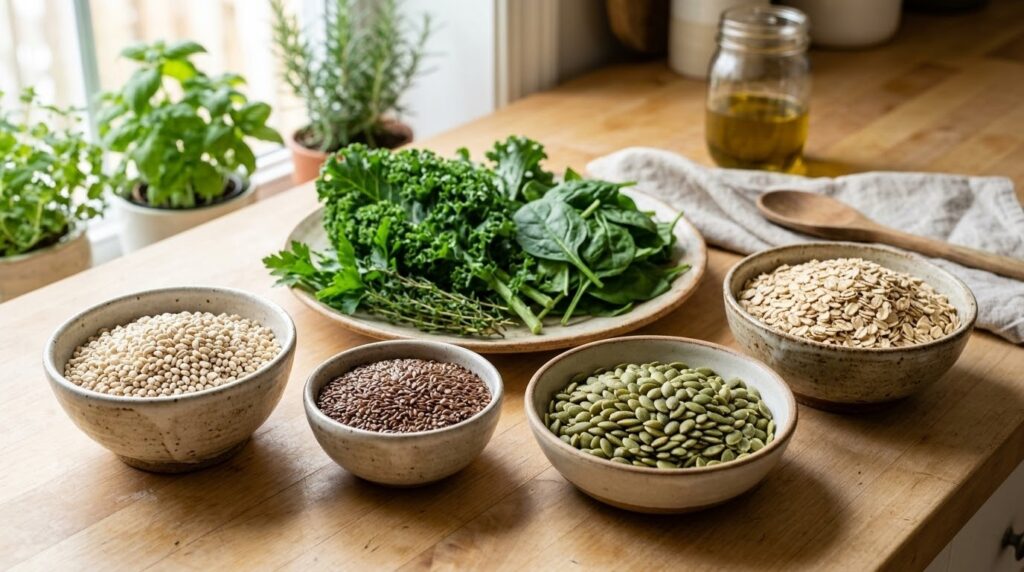
Slow Release Carbs: A Smarter Approach
Not all carbohydrates behave the same way in the body.
Foods with slow release carbohydrates digest gradually and provide steady energy.
Examples include:
• Whole grains
• Barley
• Multigrain flour
• Oats
• Seeds and legumes
These foods prevent sudden hunger spikes and help control overall calorie intake naturally.
Switching from refined flour to whole grain options can significantly improve how your body processes carbohydrates.
Signs Your Diet May Be Causing Belly Fat
If your daily eating pattern contributes to belly fat, you may notice:
• Feeling hungry again shortly after meals
• Afternoon energy crashes
• Bloating after heavy wheat meals
• Gradual increase in waist size
These symptoms often indicate that the body is experiencing frequent blood sugar fluctuations.
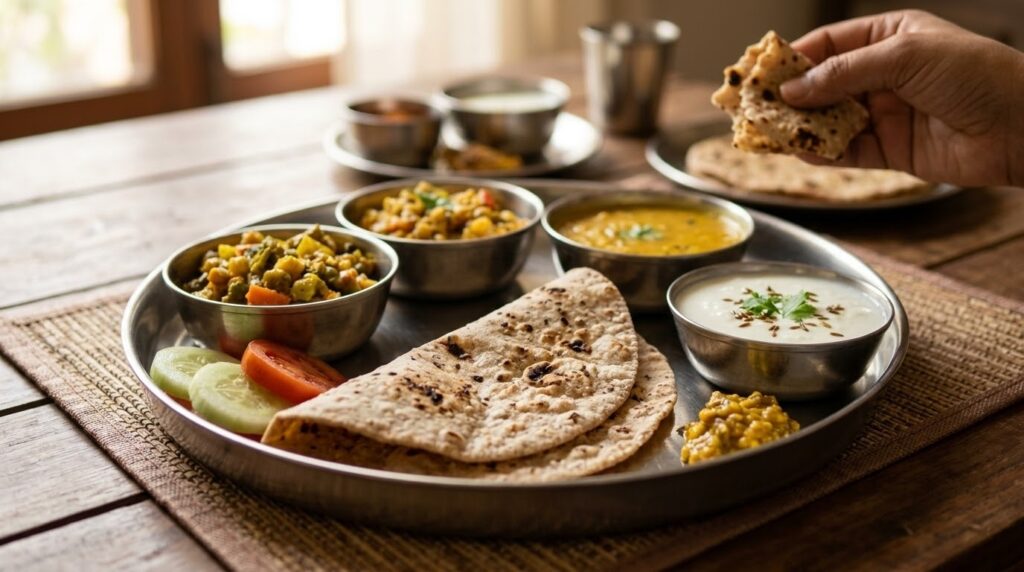
Simple Habits That Help Reduce Belly Fat Naturally
You don’t need to follow extreme diet plans. Instead, focus on small consistent improvements.
1. Increase Whole Grains
Whole grains contain more fiber and nutrients than refined flour.
2. Add Seeds to Your Daily Diet
Seeds provide healthy fats, minerals, and fiber.
3. Balance Your Plate
A healthy meal should include:
• whole grains
• vegetables
• protein
• healthy fats
4. Walk After Meals
A short walk after meals improves glucose control and digestion.
The Role of Gut Health in Fat Loss
Gut bacteria play a major role in metabolism.
A balanced microbiome helps:
• regulate appetite
• improve digestion
• reduce inflammation
• manage weight more effectively
Whole grains and fiber-rich foods support beneficial gut bacteria.
When gut health improves, weight management often becomes easier.
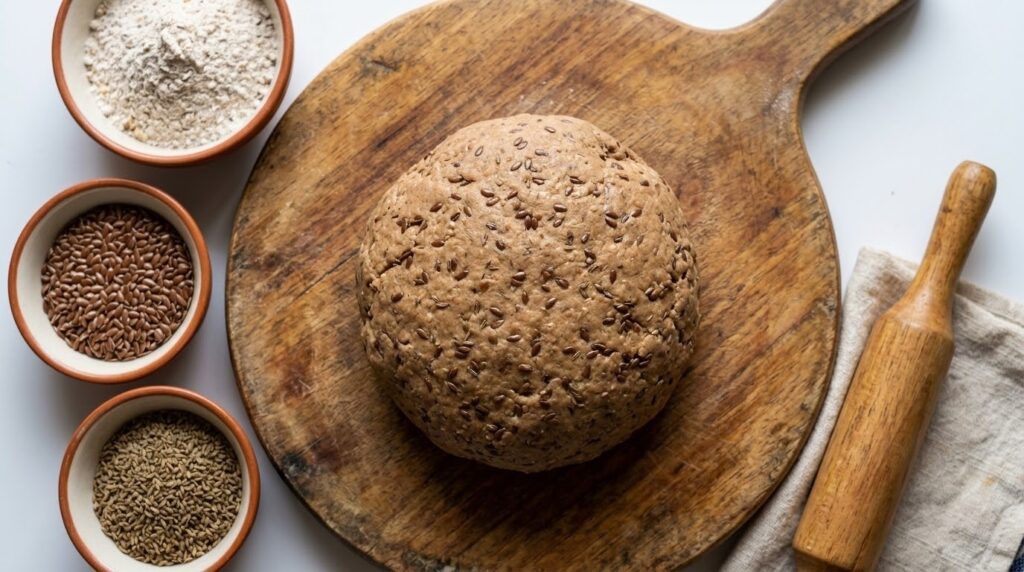
Quick Belly-Friendly Multigrain Roti Recipe
Here is a simple recipe that improves fiber intake without changing traditional meals too much.
Ingredients
1 cup Organic & Pure Multigrain Flour
1 tablespoon ground Flax Seeds
½ teaspoon Ajwain
Warm water
Pinch of salt
Instructions
- Mix flour, flax seeds, ajwain, and salt in a bowl.
- Gradually add warm water and knead into soft dough.
- Let the dough rest for about 10 minutes.
- Roll thin rotis and cook on medium heat.
This version contains more fiber and digestion-supporting ingredients.
How Long Does It Take to See Changes?
When people improve their diet gradually, they often notice:
Within 1–2 weeks:
• reduced bloating
• improved digestion
• better energy levels
Within a few months:
• gradual reduction in abdominal fat
• improved metabolic health
The key is consistency rather than strict dieting.
Final Thoughts
Trying to eliminate traditional foods rarely works in the long term.
Instead of removing roti or following restrictive diets, focus on improving the quality of everyday ingredients.
Whole grains, fiber-rich foods, and balanced meals can help the body regulate metabolism naturally.
By making small changes in daily habits, it is possible to reduce belly fat while still enjoying familiar meals.