

Why Weight Gain Happens So Easily with PCOS
If you’re struggling to lose weight or noticing extra fat around your belly despite healthy habits, you’re not alone — and you’re not doing anything wrong. Polycystic Ovary Syndrome (PCOS) is deeply connected to hormonal imbalance, making weight gain more likely and weight loss more challenging.
PCOS-related weight gain isn’t just about diet or exercise. It’s about how your body processes insulin, cortisol, and reproductive hormones. The good news? You can manage it — naturally and holistically — by working with your body instead of against it.
Top 5 Reasons PCOS Causes Weight Gain
- Insulin resistance — makes your body store more fat
- High androgen levels — increase belly fat and inflammation
- Low progesterone — leads to water retention and bloating
- Chronic stress and high cortisol — slow metabolism and increase cravings
- Imbalanced hunger hormones — like leptin and ghrelin
Understanding these root causes helps you make smarter, more effective choices for lasting weight balance.
How to Lose Weight with PCOS Naturally
1. Balance Blood Sugar First
Stable blood sugar = stable weight. This is the most critical step in managing PCOS weight.
Tips:
- Eat protein and fat with every meal
- Avoid skipping meals or extreme dieting
- Use apple cider vinegar before high-carb meals
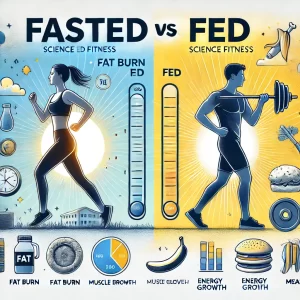
- Try gentle intermittent fasting (12–14 hours overnight)
2. Eat an Anti-Inflammatory, Hormone-Friendly Diet
Focus on whole, unprocessed foods that nourish your hormones and reduce insulin resistance.
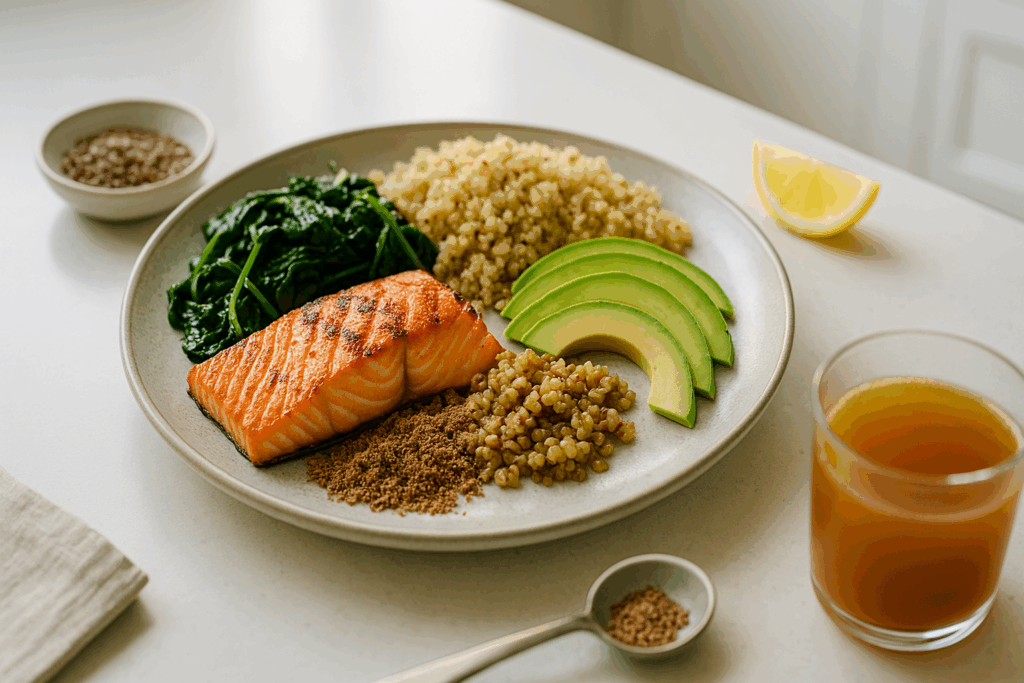
Best Foods for PCOS Weight Loss:
- Leafy greens and cruciferous vegetables
- Healthy fats: avocado, flaxseeds, olive oil
- Low-glycemic fruits: berries, apples, pomegranate
- Protein: eggs, legumes, fatty fish, tofu
- Anti-inflammatory spices: turmeric, cinnamon, ginger
3. Incorporate Strength-Based Movement
Cardio alone won’t cut it for PCOS. Building muscle improves insulin sensitivity and burns more fat at rest.
Effective Workouts:
- Resistance training (2–3 times per week)
- Bodyweight workouts or Pilates
- Walking and yoga to reduce cortisol
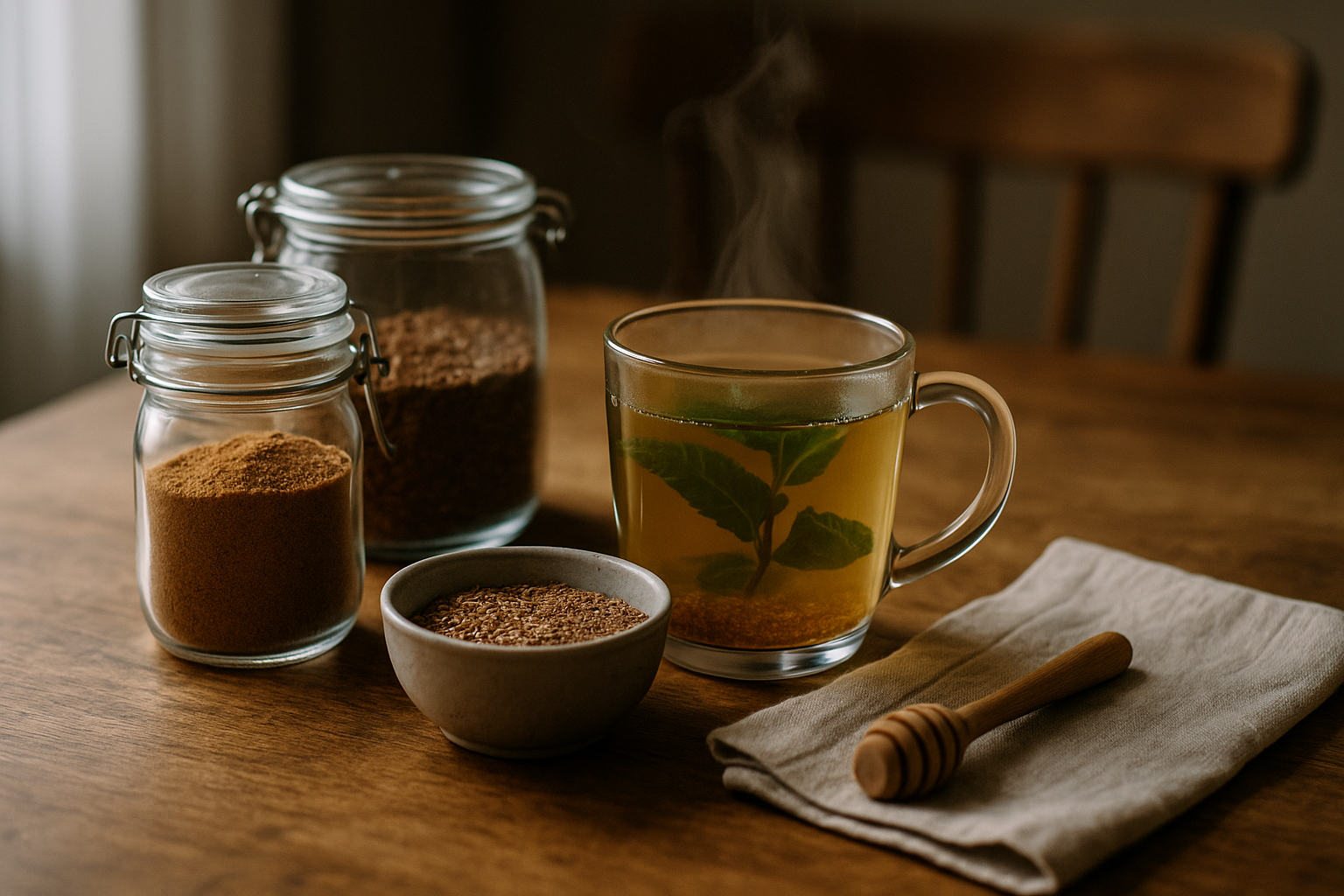
Flax Seeds, Cinnamon & Other Natural Remedies for PCOS Weight Support
Natural Supplements and Foods That Help:
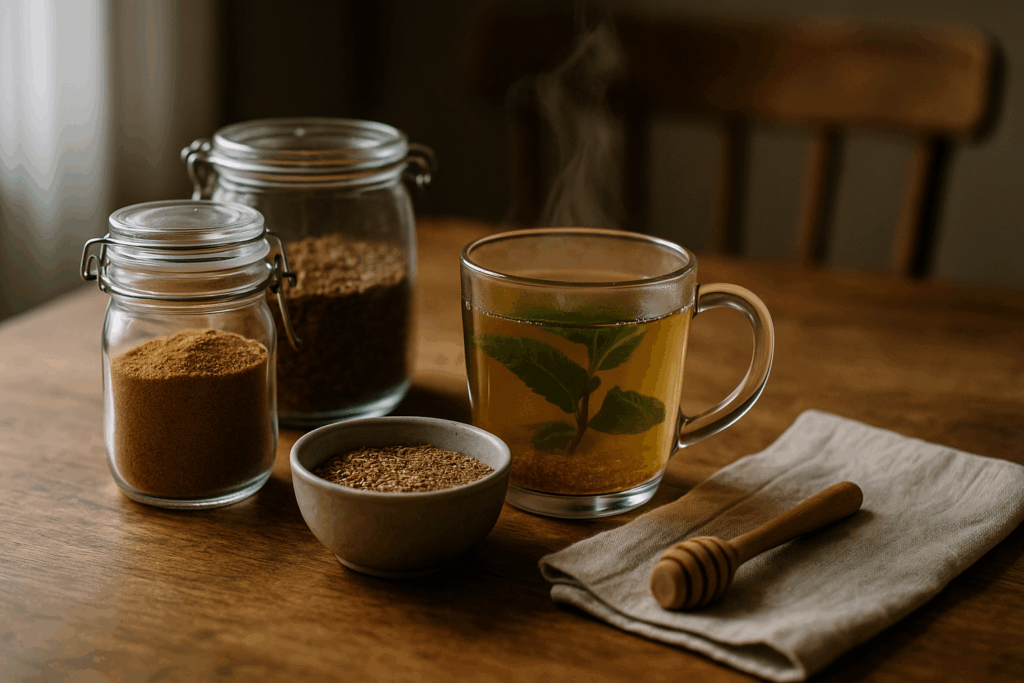
- Flax seeds – help balance estrogen and support digestion
- Cinnamon – improves insulin sensitivity
- Spearmint tea – lowers androgens and cravings
- Magnesium – reduces inflammation and supports metabolism
- Berberine – a natural compound that mimics metformin effects
These can be added to your daily routine for subtle but powerful results.
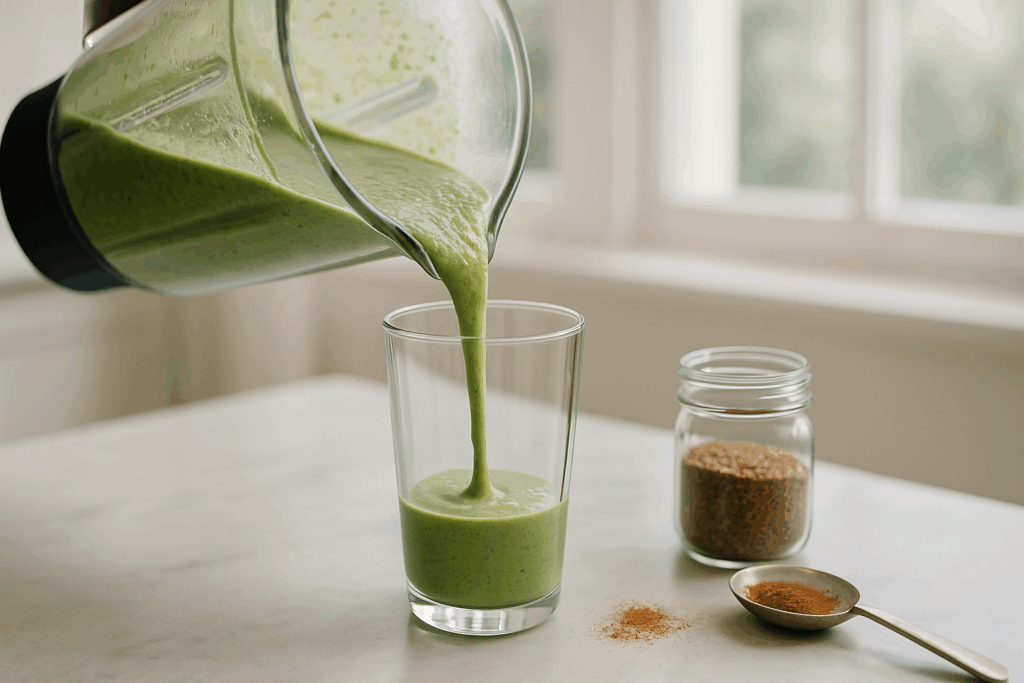
Quick & Easy Recipe: PCOS-Friendly Smoothie for Weight Support
Ingredients:
- 1 tbsp ground flaxseed
- 1 scoop plant-based protein
- ½ avocado
- 1 cup unsweetened almond milk
- ½ tsp cinnamon
- Handful of spinach
- Ice (optional)
Instructions:
Blend until smooth. Drink as a meal replacement or post-workout shake to stabilize hormones and reduce cravings.
Tips for Sustainable Weight Loss with PCOS
- Track your menstrual cycle to align workouts and nutrition
- Reduce caffeine, especially in the second half of your cycle
- Avoid crash diets — they raise cortisol and slow metabolism
- Work on sleep — aim for 7–9 hours per night
- Manage stress through breathing, walking, or journaling
Remember: small, consistent actions are more effective than drastic, short-term changes.
FAQs
Q: Why is weight loss harder with PCOS?
PCOS affects hormones like insulin and cortisol, which influence how your body stores fat and burns energy.
Q: Can I lose weight with PCOS without medication?
Yes. Many women see lasting weight loss by addressing blood sugar, inflammation, and hormone balance naturally.
Q: Is low-carb or keto good for PCOS?
Some women benefit from lower-carb eating, but extreme keto may raise cortisol. Focus on balance, not extremes.
Q: How long does it take to see changes?
With consistent habits, women often notice improvements in energy, mood, and weight within 8–12 weeks.
Q: What’s the best time to exercise with PCOS?
Early in your cycle (follicular phase) is best for intense workouts. Later phases (luteal) benefit from gentle movement.

Final Thoughts: You Can Manage PCOS Weight — Gently and Effectively
Weight gain with PCOS isn’t your fault — it’s hormonal. But by understanding how your body works and using food, movement, and mindset as medicine, you can find balance without burnout.
You don’t need to diet forever. You need a plan that honors your hormones, supports your metabolism, and helps you feel confident in your skin — all year round.
Start with one habit today. Your body is ready to heal.