

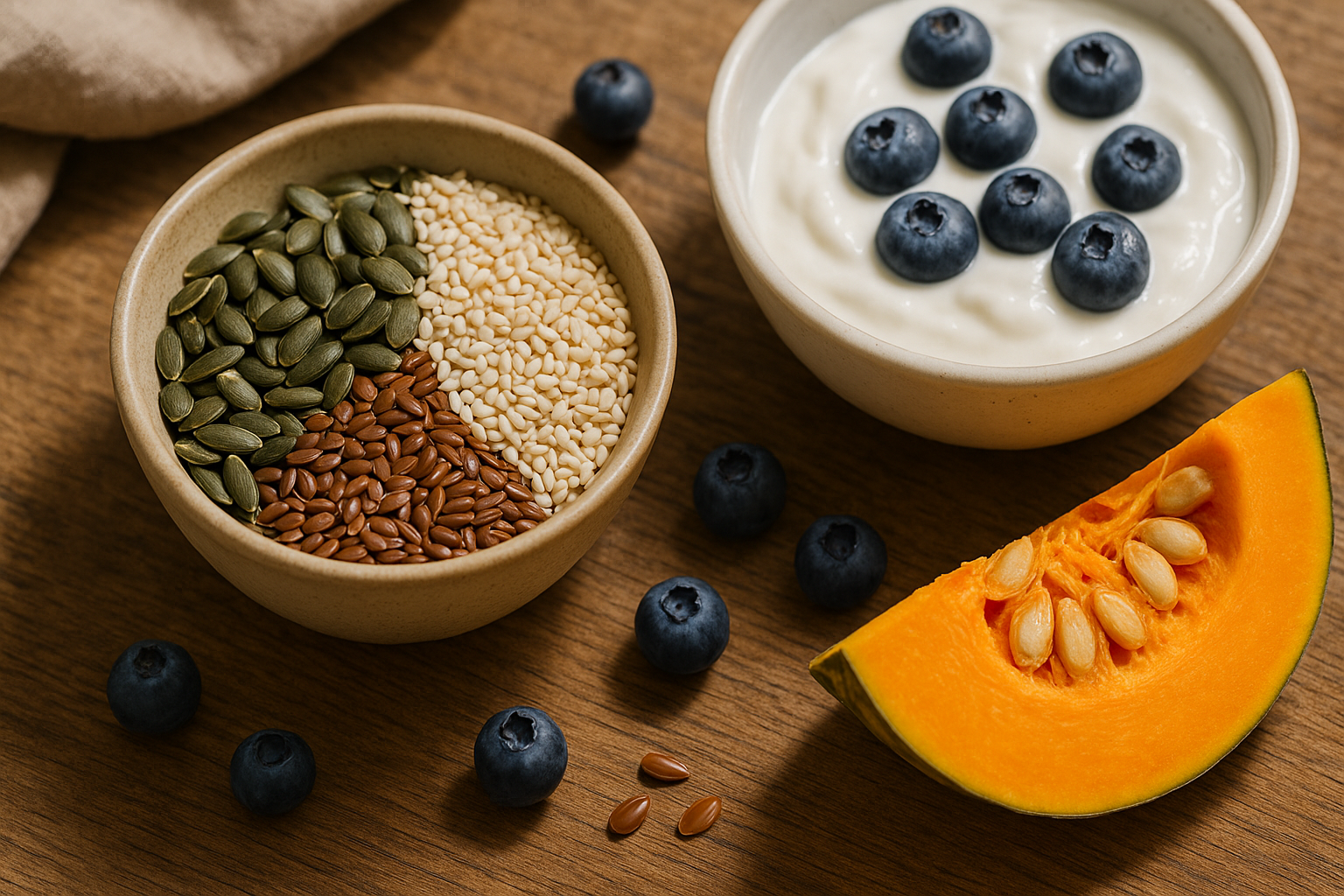

PCOS, Weight Gain, and the Role of Seeds
Polycystic Ovary Syndrome (PCOS) is more than a hormonal disorder. For many women, it’s a daily struggle that shows up in unexpected weight gain, mood swings, irregular periods, and acne. One of the most frustrating symptoms? Gaining weight—especially around the belly—even when you’re trying to eat healthy and stay active.
While there’s no magic pill for PCOS, nature offers several tools that can help manage its symptoms holistically. Among them, flax seeds stand out for their unique ability to support hormone balance, improve digestion, reduce inflammation, and help with stubborn weight gain.
In this guide, we’ll explore how flax seeds can be used as a simple, natural remedy to support women with PCOS.

Top 5 Benefits of Flax Seeds for PCOS and Weight Management
- Regulate estrogen and androgen levels
- Improve insulin sensitivity and blood sugar balance
- Support healthy digestion and reduce bloating
- Promote fat loss and appetite control
- Help reduce inflammation and oxidative stress
Each of these benefits directly addresses the root causes of PCOS symptoms, making flax seeds a powerful ally in your daily routine.
Why Flax Seeds Work for PCOS
PCOS is primarily driven by insulin resistance, inflammation, and hormonal imbalance. Flax seeds target all three.
They are one of the richest plant sources of lignans, a type of phytoestrogen that binds to estrogen receptors and helps regulate hormone levels. For women with PCOS, this means better balance between estrogen and testosterone — especially important for reducing symptoms like acne, hair thinning, and cycle irregularity.
Flax seeds are also rich in alpha-linolenic acid (ALA), an omega-3 fatty acid that helps calm inflammation — a key factor in PCOS. Additionally, their high fiber content improves gut health, stabilizes blood sugar, and reduces cravings, all of which support long-term weight management.
Flax Seeds and PCOS Weight Gain: What the Research Shows
Weight gain in PCOS is often linked to insulin resistance, which leads to increased fat storage, sugar cravings, and hormonal disruptions. Flax seeds help by:
- Slowing digestion and promoting fullness due to their soluble fiber
- Supporting gut bacteria that influence weight regulation
- Balancing blood sugar and insulin levels after meals
- Helping reduce LDL (bad) cholesterol
By improving insulin response and hormonal balance, flax seeds indirectly help the body lose fat more effectively — especially when combined with a clean diet and regular movement.
Nutritional Composition of Flax Seeds (per 1 tbsp / 10g)
- Calories: 55
- Protein: 2g
- Fiber: 3g
- Omega-3 (ALA): 2.3g
- Lignans: High
- Magnesium: 27mg
- Vitamin B1 (Thiamine): 0.2mg
This unique combination of fiber, fat, and antioxidants makes flax seeds ideal for managing both hormonal health and metabolic conditions.
How to Use Flax Seeds Daily for PCOS
Flax seeds must be ground for the body to absorb their nutrients. Whole seeds may pass through undigested.
Here are ways to use them in daily meals:
- Add 1 tablespoon of ground flax seeds to your morning smoothie or oatmeal
- Stir into yogurt or sprinkle over fruit bowls
- Mix into whole grain flour for roti or paratha
- Blend into protein balls or energy bars
- Take with warm water and lemon first thing in the morning for digestion
Start with half a tablespoon and gradually increase to 1–2 tablespoons per day. Always drink plenty of water to support fiber digestion.

Quick and Easy Recipe: PCOS-Friendly Flax-Chia Pudding
This recipe supports digestion, hormone detox, and appetite control — making it ideal for women with PCOS.
Ingredients:
- 1 tbsp ground flax seeds
- 1 tbsp chia seeds
- ½ cup almond or oat milk
- ½ mashed banana
- ½ tsp cinnamon
- Optional: 1 tsp honey or date syrup
Instructions:
Mix all ingredients and let sit in the fridge for 1–2 hours (or overnight). Top with berries or chopped nuts before serving.
This makes a filling, blood sugar-friendly breakfast or snack that satisfies cravings without the crash.

Tips for Best Results
- Store flax seeds in the fridge to maintain freshness and prevent oil oxidation.
- Buy whole seeds and grind at home for maximum nutrient retention.
- Be consistent. Hormonal improvements take time — most women notice changes after 4–6 weeks of daily use.
- Pair flax seeds with a balanced lifestyle: regular movement, stress reduction, and whole foods.
- If you have thyroid issues, consult your doctor before taking large amounts of flax regularly.
FAQs
Q: Can flax seeds help with PCOS-related acne or facial hair?
Yes. By balancing estrogen and lowering androgens, flax seeds may help reduce symptoms like acne and unwanted hair growth.
Q: What’s better for PCOS: flax seeds or chia seeds?
Both are helpful. Flax seeds are richer in lignans for hormone balance, while chia seeds are excellent for hydration and omega-3s. They can be used together.
Q: How long before I see results from flax seeds?
Most women notice improvements in digestion and appetite within 1–2 weeks. Hormonal changes often take 4–8 weeks of consistent use.
Q: Can flax seeds replace medication for PCOS?
Flax seeds are a supportive natural remedy, not a cure. They can complement medical treatment or lifestyle changes, but should not replace prescribed care without professional guidance.
Q: Are there any side effects?
Too much flax too quickly can cause bloating or gas. Start with small amounts and increase gradually. Also, ensure you’re drinking enough water.

Final Thoughts: A Natural Step Toward Hormonal Balance
Managing PCOS isn’t about short-term fixes or strict diets — it’s about understanding your body and giving it what it needs to heal. Flax seeds offer a simple, natural, and affordable way to support your hormones, metabolism, and overall wellbeing.
If you’re dealing with PCOS-related weight gain, fatigue, or irregular cycles, flax seeds can be a meaningful addition to your daily diet. Combined with small lifestyle shifts — better sleep, gentle movement, and mindful eating — they can help bring your body back into balance, one day at a time.