

Restoring Balance in a World of Hormonal Chaos
If you’ve been diagnosed with PCOS (Polycystic Ovary Syndrome), you already know that it’s more than just a reproductive issue — it’s a hormonal condition that affects your entire body. From irregular cycles and acne to fatigue and mood changes, these symptoms stem from hormonal imbalances involving insulin, estrogen, progesterone, and androgens (male hormones).
The good news? You can manage and rebalance your hormones naturally with simple daily habits. Through mindful nutrition, gentle exercise, stress reduction, and herbal support, you can bring your body back into alignment and experience more consistent energy, clearer skin, and regular cycles. At Organic and Pure, we focus on providing clean, natural foods like Flax Seeds, Pumpkin Seeds, and Glow & Balance Seed Mix to support women’s hormonal health every day.

Top 6 Signs of Hormonal Imbalance in PCOS
- Irregular or missed periods
- Weight gain (especially around the abdomen)
- Acne, oily skin, or hair loss
- Excess hair growth on face or body (hirsutism)
- Fatigue and mood swings
- Difficulty sleeping or feeling constantly “wired but tired”
Each of these symptoms indicates that your hormones are out of sync — but they can all improve naturally once you address the underlying causes.
Understanding Hormonal Imbalance in PCOS
PCOS occurs when there’s a disruption in the communication between your brain, ovaries, and hormones.
Here’s what happens:
- Insulin resistance causes high blood sugar and increased androgen production.
- Excess androgens disrupt ovulation and lead to irregular cycles, acne, and hair changes.
- Low progesterone (due to missed ovulation) causes mood swings, anxiety, and PMS-like symptoms.
- High cortisol (stress hormone) further worsens insulin resistance and inflammation.
This cycle can feel endless — but the key is to focus on balancing hormones from the inside out. Organic and Pure recommends a nutrition-first approach with clean seeds and hormone-friendly foods as part of your daily routine.
Core Pillars of Hormonal Balance in PCOS
1. Balance Blood Sugar (Control Insulin First)
Stable blood sugar = stable hormones.
- Eat protein with every meal (eggs, tofu, lentils, Greek yogurt).
- Include fiber-rich carbs (quinoa, oats, chickpeas).
- Pair carbs with healthy fats (avocado, nuts, olive oil).
- Avoid skipping meals — long gaps can spike cortisol and insulin.
2. Support the Liver (Hormone Detoxification)
Your liver metabolizes excess estrogen and androgens. Support it with:
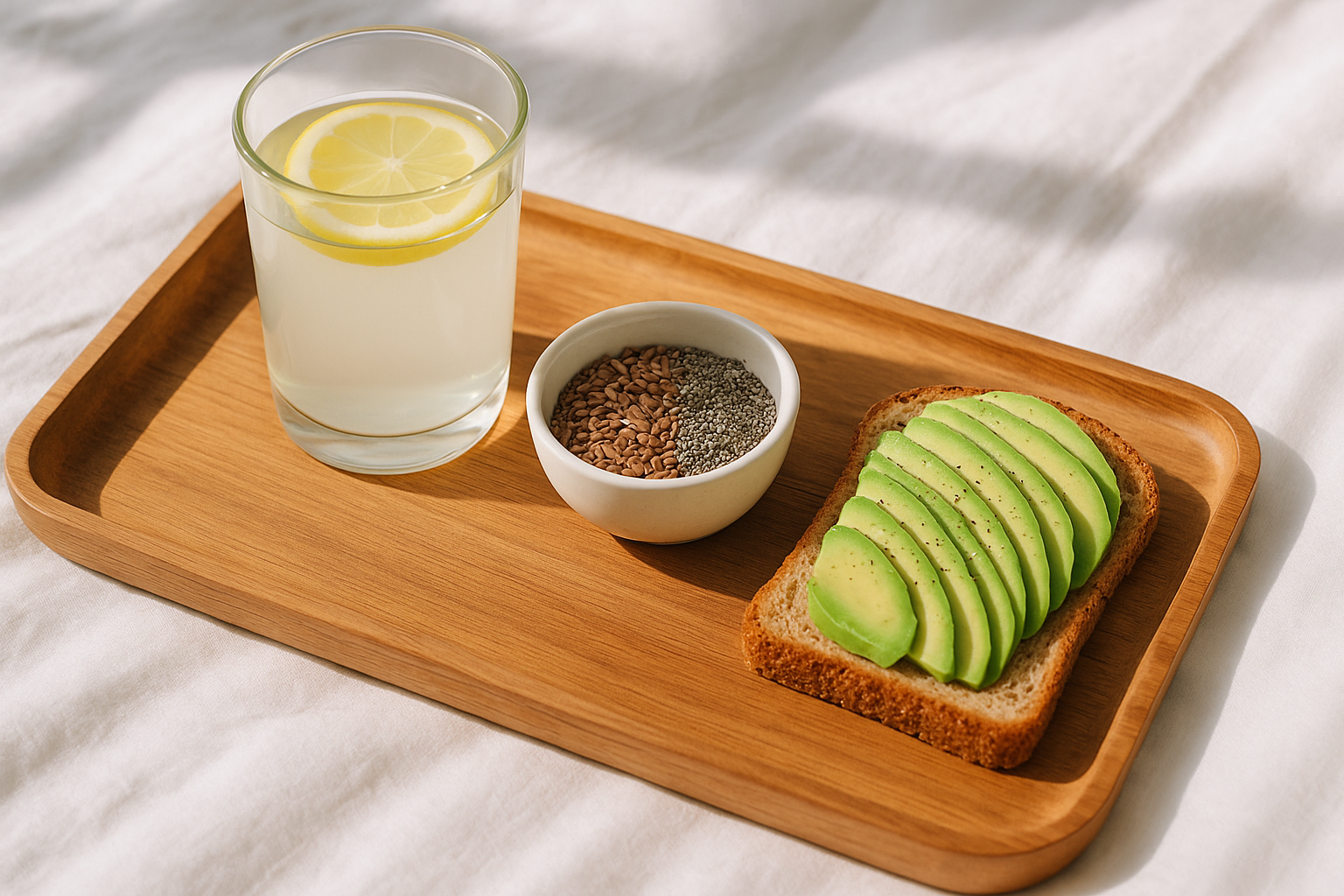
- Warm lemon water each morning
- Cruciferous veggies (broccoli, cabbage, kale)
- Beets, turmeric, and Flax Seeds
- Limit alcohol and processed oils
3. Reduce Inflammation (Calm the Root Cause)
Chronic inflammation worsens PCOS symptoms.
- Add anti-inflammatory foods: turmeric, cinnamon, ginger, fatty fish, chia seeds.
- Reduce refined sugar and processed foods.
- Get at least 7–8 hours of sleep for cellular repair.
4. Manage Stress (Regulate Cortisol)
High stress equals hormonal chaos.
- Practice deep breathing or yoga for 10–15 minutes daily.
- Schedule “unplug” time in the evenings.
- Drink adaptogenic teas like ashwagandha, tulsi, or chamomile.
- Go for nature walks to lower cortisol naturally.
5. Rebuild Progesterone (Through Ovulation)
Without ovulation, progesterone levels stay low.
- Balance insulin to restore ovulation.
- Avoid chronic calorie restriction.
- Include zinc, magnesium, and B6-rich foods.
- Consider seed cycling to support natural rhythms.

Seed Cycling for Hormonal Harmony
Seed cycling is a gentle natural method to regulate estrogen and progesterone through your menstrual cycle.
- Follicular Phase (Day 1–14): 1 tbsp Flax Seeds + 1 tbsp Pumpkin Seeds daily
- Luteal Phase (Day 15–28): 1 tbsp Sesame Seeds + 1 tbsp sunflower seeds daily
These seeds provide zinc, selenium, and essential fatty acids that support hormone metabolism and balance. You can simplify this with Organic and Pure’s Glow & Balance Seed Mix, designed to make seed cycling easy and convenient.
Daily Use: How to Manage PCOS Hormonal Balance Naturally
Morning Routine
- Drink warm lemon or cinnamon water to kickstart liver detox.
- Eat a protein-rich breakfast (omelet, smoothie, or oats with chia).
- Take 10 minutes for gratitude, journaling, or meditation.
Midday Routine
- Balanced lunch with fiber, protein, and healthy fats.
- Take a 10-minute post-meal walk to improve insulin sensitivity.
Evening Routine
- Have a light, anti-inflammatory dinner (soup, lentil stew, or grilled fish).
- Sip ashwagandha or chamomile tea to calm cortisol.
- Sleep by 10–11 PM for optimal hormone recovery.
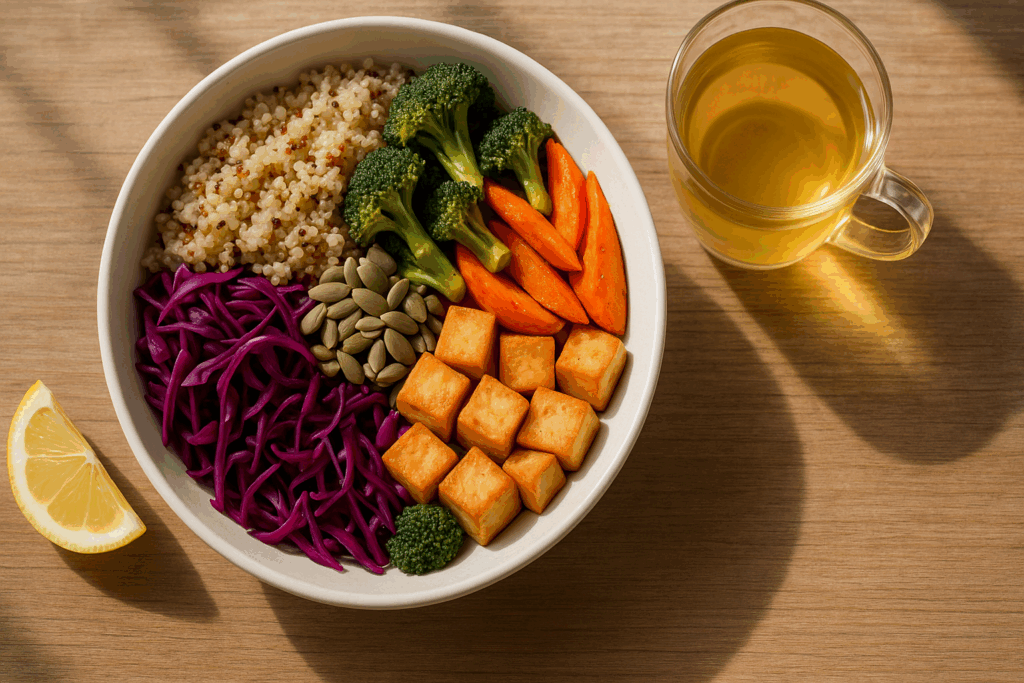
Quick & Easy Recipe: Hormone-Balancing PCOS Bowl
Ingredients:
- ½ cup cooked quinoa
- 1 boiled egg or ½ cup tofu
- 1 cup roasted veggies (broccoli, zucchini, peppers)
- 1 tbsp Flax or Sesame Seeds
- 1 tbsp olive oil + lemon juice
- Pinch of pink salt and pepper
Instructions:
Mix all ingredients in a bowl. Drizzle with olive oil and lemon dressing. This simple bowl delivers fiber, protein, and omega-3s to regulate insulin and support hormonal balance.
Herbal & Natural Remedies for PCOS Hormone Balance
- Ashwagandha: Reduces cortisol and supports thyroid function.
- Spearmint Tea: Lowers androgens and improves ovulation.
- Cinnamon: Enhances insulin sensitivity and cycle regularity.
- Licorice Root: Balances estrogen and improves adrenal health.
- Evening Primrose Oil: Helps with PMS symptoms and skin health.
(Consult your healthcare provider before starting any supplements.)
FAQs
Q: Can hormonal imbalance in PCOS be reversed?
Yes. By improving insulin sensitivity, reducing inflammation, and supporting ovulation, many women experience significant hormonal improvement within 3–6 months.
Q: What foods help balance hormones in PCOS?
Protein, fiber, and healthy fats — especially seeds, nuts, leafy greens, and omega-3-rich foods — help rebalance estrogen and progesterone naturally.
Q: Does stress really affect PCOS hormones?
Yes. Chronic stress raises cortisol, which worsens insulin resistance and disrupts ovulation.
Q: Can seed cycling really help balance hormones?
Yes. Consistent use of flax, pumpkin, sesame, and sunflower seeds can gently regulate hormones over time.
Q: How long does it take to balance hormones naturally?
Most women see changes in energy, mood, and cycles within 8–12 weeks of consistent diet and lifestyle habits.
Explore More Products from Organic and Pure
Enhance your PCOS management routine with these natural products from Organic and Pure:
- Organic Flax Seeds – Hormonal Balance & Digestion Support
- Pumpkin Seeds – Zinc and Magnesium Support
- Organic White Sesame Seeds – Bone and Hormone Support
- Glow & Balance Seed Mix – Simplified Seed Cycling
- Fenugreek Seeds – Hormonal and Metabolic Support

Final Thoughts: Balance Your Hormones, Transform Your Life
Managing PCOS isn’t about restriction — it’s about restoring rhythm and harmony to your body. With the right combination of nutrition, rest, movement, and self-care, your hormones can find their natural balance again.
Be patient and consistent. Hormonal health takes time, but every small step — a balanced meal, a stress-free evening, or a mindful pause — brings you closer to the balance your body deserves. And with natural solutions from Organic and Pure, that journey becomes simpler and more effective.