


Understanding Why Diet Is the Foundation of PCOS Management
Diet is one of the most powerful tools for managing PCOS because food directly influences insulin levels, inflammation, hormones, metabolism, digestion, and mood. Many women struggle with PCOS despite medication because the underlying causes — especially insulin resistance and inflammatory triggers — remain unaddressed. Diet can change that.
A balanced PCOS diet stabilizes blood sugar, reduces cravings, improves ovulation, supports hormonal balance, and reduces symptoms like acne, bloating, fatigue, and irregular cycles. Consistency matters more than perfection.
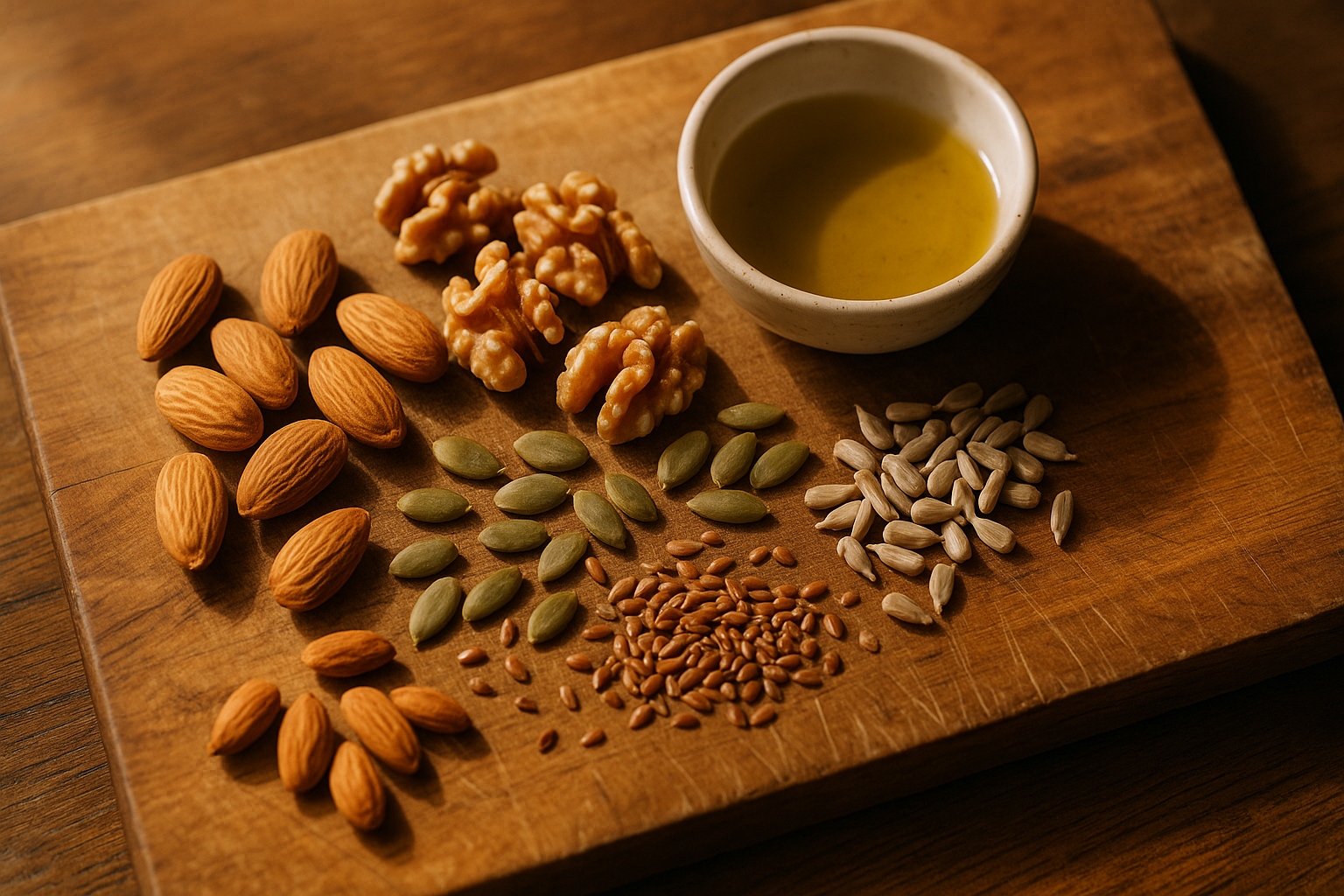
At Organic and Pure, we focus on foods that naturally support hormonal balance, including Flax Seeds, Pumpkin Seeds, Sunflower Seeds, White Sesame Seeds, and our Glow & Balance Seed Mix — all essential for PCOS-friendly nutrition.

Top 6 Reasons Diet Plays a Critical Role in PCOS Management
- Improves Insulin Sensitivity: Stabilizes blood sugar and reduces fat storage.
- Lowers Inflammation: Reduces acne, pain, bloating, and weight gain.
- Supports Ovulation: Balanced nutrition improves estrogen-progesterone rhythm.
- Regulates Hormones: Healthy fats and micronutrients support hormone production.
- Reduces Cravings: Protein and fiber help control hunger and emotional eating.
- Improves Gut Health: A healthier gut leads to better hormone detoxification.
Diet is the most natural and reliable way to restore balance when dealing with PCOS.
How Diet Affects PCOS Symptoms and Long-Term Health
PCOS symptoms — including fatigue, acne, irregular cycles, weight fluctuations, and bloating — often come from insulin resistance and inflammation. When the diet is high in refined sugar, white flour, processed foods, and unhealthy fats, symptoms intensify.
A PCOS-friendly diet helps regulate hormones, improve digestion, and stabilize the menstrual cycle. Many women experience better skin, improved mood, more stable energy, and easier weight management within weeks of changing their diet.
Adding Organic and Pure Flax Seeds, Pumpkin Seeds, and Sunflower Seeds is especially effective for supporting estrogen and progesterone naturally.

Natural Remedies and Dietary Strategies to Manage PCOS
1. Follow a Low-GI Diet to Improve Insulin Sensitivity
A low-glycemic diet keeps blood sugar steady and supports ovulation.
Focus on foods like:
- Quinoa, oats, lentils, brown rice
- Sweet potatoes, leafy greens, broccoli
- Apples, berries, pears
- Lean protein: eggs, tofu, fish, chicken
Avoid high-sugar foods, refined flour, and processed snacks.
Best Morning Start: Warm lemon water with Flax Seeds to reduce insulin spikes.
2. Increase Fiber and Anti-Inflammatory Foods
Fiber helps detoxify excess hormones and improve digestion.
Include:
- Flax seeds
- Chia seeds
- Vegetables
- Berries
- Beans and lentils
Add anti-inflammatory foods such as turmeric, ginger, olive oil, walnuts, and fatty fish.
3. Add Healthy Fats to Balance Hormones
Hormones require healthy fats for production.
Include:
- Almonds
- Walnuts
- Pumpkin seeds
- Sunflower seeds
- Avocado
- Extra virgin olive oil
These fats help reduce cravings, improve skin, and support emotional balance.
4. Support Gut Health for Hormonal Balance
A healthy gut helps remove excess estrogen and reduces inflammation.
Include probiotics: yogurt, kefir, fermented foods.
Add prebiotics: garlic, bananas, onions, oats.
Drink 2–3 liters of water daily to improve digestion and reduce bloating.
5. Manage Stress with Slow, Nourishing Meals
Stress elevates cortisol, which disrupts ovulation and increases cravings.
- Avoid skipping meals.
- Eat every 3–4 hours.
- Include protein and healthy fats in each meal.
Pair your evening routine with saffron milk to relax the nervous system.
6. Supplements That Support a PCOS-Friendly Diet
(Always consult your healthcare provider.)
- Myo-Inositol + D-Chiro Inositol: Improves ovulation and insulin sensitivity.
- Magnesium: Supports calm and improves insulin function.
- Zinc: Supports skin, hormones, and immunity.
- Omega-3s: Reduces inflammation and supports menstrual regularity.
- Vitamin D: Essential for hormone production.
Quick & Easy Recipe: PCOS-Friendly Green Seed Smoothie
Ingredients:
- 1 cup almond milk
- 1 tbsp Organic Flax Seeds
- 1 tbsp Organic Pumpkin Seeds
- ½ cucumber
- ½ apple
- ¼ avocado
- 1 tsp honey
Instructions:
Blend until smooth.
This smoothie helps balance hormones, reduce inflammation, and support digestion.

Tips for a Sustainable PCOS Diet
- Eat balanced meals with protein, fiber, and healthy fats.
- Don’t starve or skip meals — it spikes cortisol.
- Avoid crash diets or extreme calorie restriction.
- Prioritize whole foods and reduce processed ingredients.
- Sleep 7–9 hours to support hormone recovery.
- Stay consistent — results come from daily habits.
FAQs
Q: What’s the best diet for PCOS?
A low-GI, high-fiber, anti-inflammatory diet with healthy fats.
Q: Can diet reverse PCOS symptoms?
Diet cannot cure PCOS, but it can dramatically reduce symptoms and support ovulation.
Q: How soon can I see results from a PCOS diet?
Most women feel improvements within 4–8 weeks.
Q: Do seeds help with PCOS?
Yes. Flax, pumpkin, sunflower, and sesame seeds help balance hormones and improve metabolism.
Q: Should I avoid dairy or gluten?
Some women benefit from reducing dairy or gluten, especially if they notice bloating or inflammation.
Explore More Products from Organic and Pure
Support your PCOS diet naturally with:
- Organic Flax Seeds – Fiber and omega-3s for insulin support.
- Organic Pumpkin Seeds – Zinc and magnesium for metabolism.
- Glow & Balance Seed Mix – Simplified seed cycling for hormonal balance.
- Organic Sunflower Seeds – Vitamin E for skin and cycle stability.
- Organic Almonds – Healthy fats for sustained energy.

Final Thoughts: Heal Your PCOS Naturally Through Nutrition
Diet is one of the most effective and sustainable ways to manage PCOS. By stabilizing insulin, reducing inflammation, improving gut health, and nourishing your hormones, you can regain control of your body and feel more energized, balanced, and confident.
With Organic and Pure foods, you build a foundation of nourishment that supports your hormones every single day — one meal at a time.