

A Tiny Seed with Powerful Benefits
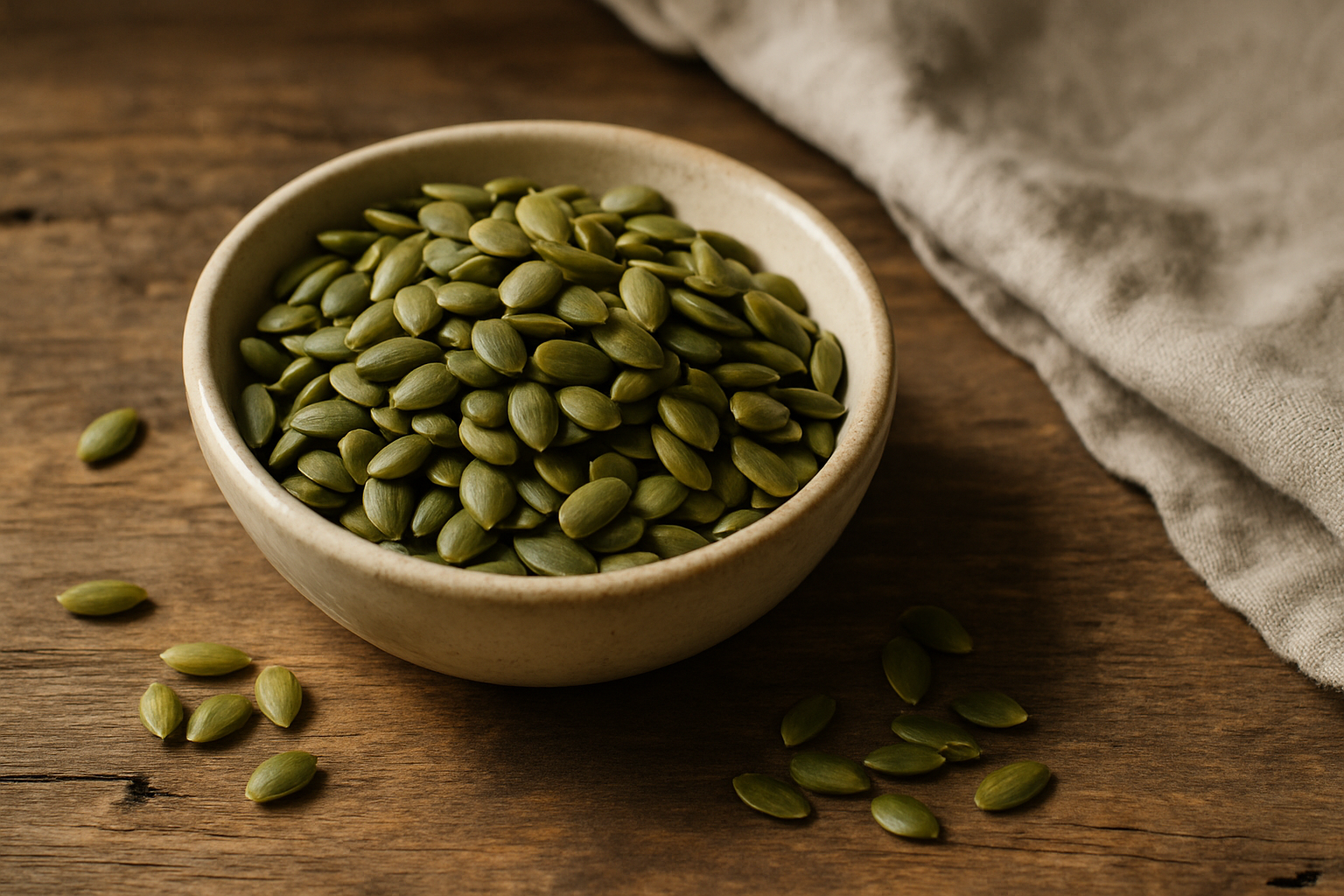
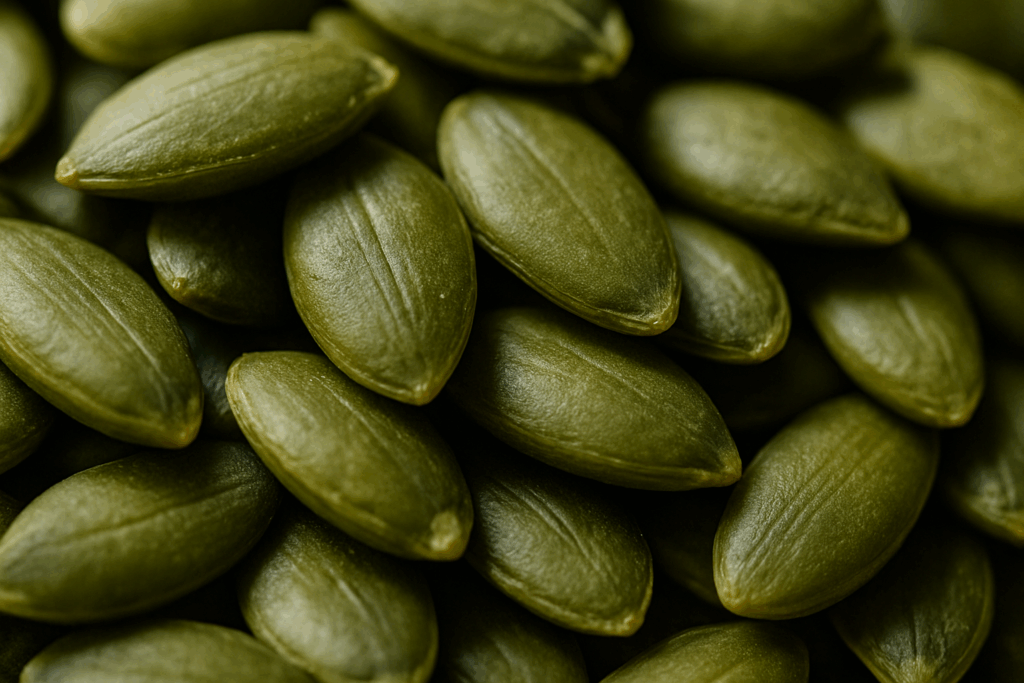
When it comes to heart health, most people think of oats, olive oil, or green tea — but pumpkin seeds are just as powerful, if not more. These small green seeds, also known as pepitas, are packed with essential nutrients that support your heart, hormones, and metabolism.
Often overlooked in South Asian diets, pumpkin seeds are finally getting the recognition they deserve — especially for women focused on wellness, natural nutrition, and preventive care. From reducing blood pressure to balancing hormones, these seeds truly earn their superfood title.
Top 6 Benefits of Pumpkin Seeds for Women’s Health
- Improve heart health by lowering blood pressure and cholesterol
- Support hormonal balance with natural phytoestrogens and zinc
- Reduce inflammation linked to chronic illness and skin issues
- Improve sleep and mood with natural magnesium and tryptophan
- Boost immune function with antioxidants like vitamin E and selenium
- Support metabolism and weight management with fiber and protein
What Makes Pumpkin Seeds So Special?
Pumpkin seeds are not just a snack — they’re a nutrient powerhouse. With a unique combination of healthy fats, magnesium, antioxidants, and plant-based protein, they support nearly every system in the body.
They are especially useful during the fall and winter months, when your body needs grounding, warming, and heart-protective foods.
Nutritional Composition of Pumpkin Seeds (per 28g / about 2 tbsp)
- Calories: 151
- Protein: 7g
- Total fat: 13g (mostly healthy unsaturated fats)
- Fiber: 1.7g
- Magnesium: 168mg (40% of daily needs)
- Zinc: 2.2mg
- Iron: 2.7mg
- Antioxidants: Vitamin E, carotenoids, polyphenols
This nutritional profile makes pumpkin seeds especially effective for cardiovascular health, stress regulation, and immune resilience.
Pumpkin Seeds and Heart Health: What the Science Says
Heart disease is still one of the leading causes of death among women — and it’s largely preventable with the right nutrition and lifestyle habits.
Pumpkin seeds are rich in magnesium, which is essential for maintaining a steady heartbeat, lowering blood pressure, and preventing calcification in the arteries. Their healthy fats and antioxidants help reduce bad LDL cholesterol and increase good HDL cholesterol, making them one of the most effective plant-based foods for heart support.
Daily Use: How to Add Pumpkin Seeds to Your Diet
Pumpkin seeds are incredibly versatile and can be eaten raw, roasted, or soaked.
Recommended Daily Intake:
- 1–2 tablespoons of raw or lightly roasted pumpkin seeds
Best Times to Eat:
- In the morning to stabilize energy and blood sugar
- Before bed (magnesium helps with sleep and heart rate)
- As a snack between meals to reduce hunger and cravings
Easy Ways to Use Pumpkin Seeds:
- Add to smoothies or protein shakes
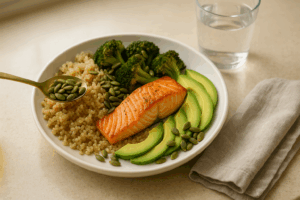
- Sprinkle over salads, soups, or roasted vegetables
- Mix into oatmeal, yogurt, or overnight oats
- Blend into seed butter or tahini
- Combine with other seeds for a hormone-balancing “seed cycling” routine
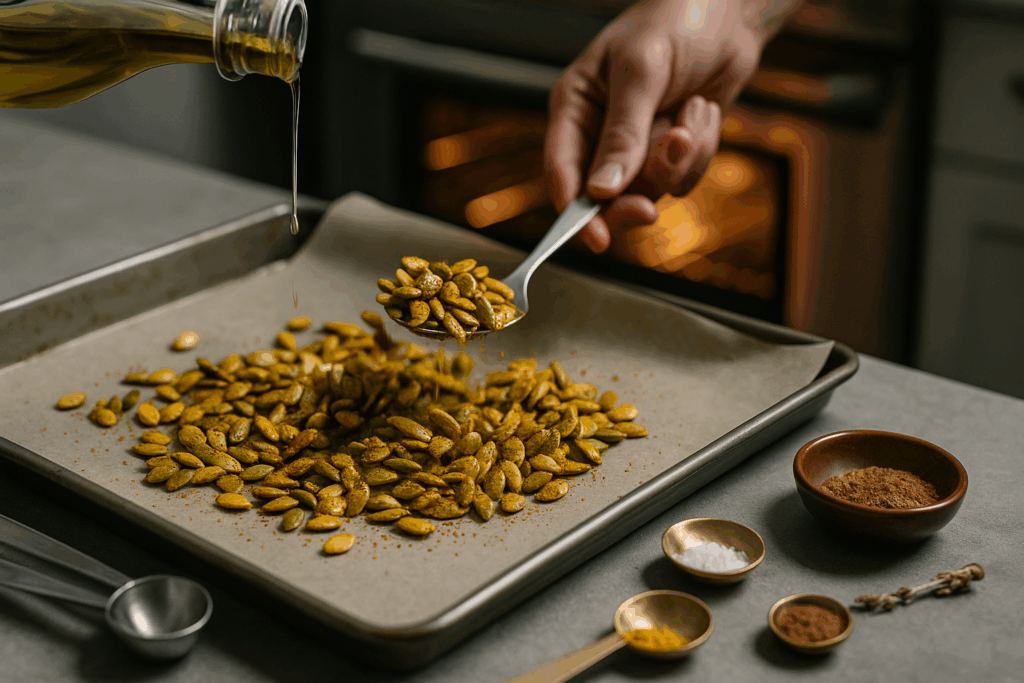
Quick & Easy Recipe: Spiced Roasted Pumpkin Seeds
This savory, crunchy snack is heart-healthy, easy to make, and full of flavor.
Ingredients:
- 1 cup raw pumpkin seeds
- 1 tsp olive oil
- ½ tsp turmeric
- ¼ tsp black pepper
- ¼ tsp pink salt
- Optional: pinch of cayenne or cumin
Instructions:
Toss seeds with oil and spices. Spread on a baking tray and roast at 160°C (325°F) for 10–15 minutes until lightly golden. Cool and store in an airtight jar. Perfect for mid-afternoon energy or as a crunchy salad topping.
Tips for Buying and Storing Pumpkin Seeds
- Choose raw, shelled pumpkin seeds (pepitas) for best absorption
- Avoid overly salted or flavored commercial versions
- Store in an airtight container in a cool, dark place
- For longer shelf life, refrigerate or freeze — especially in humid climates
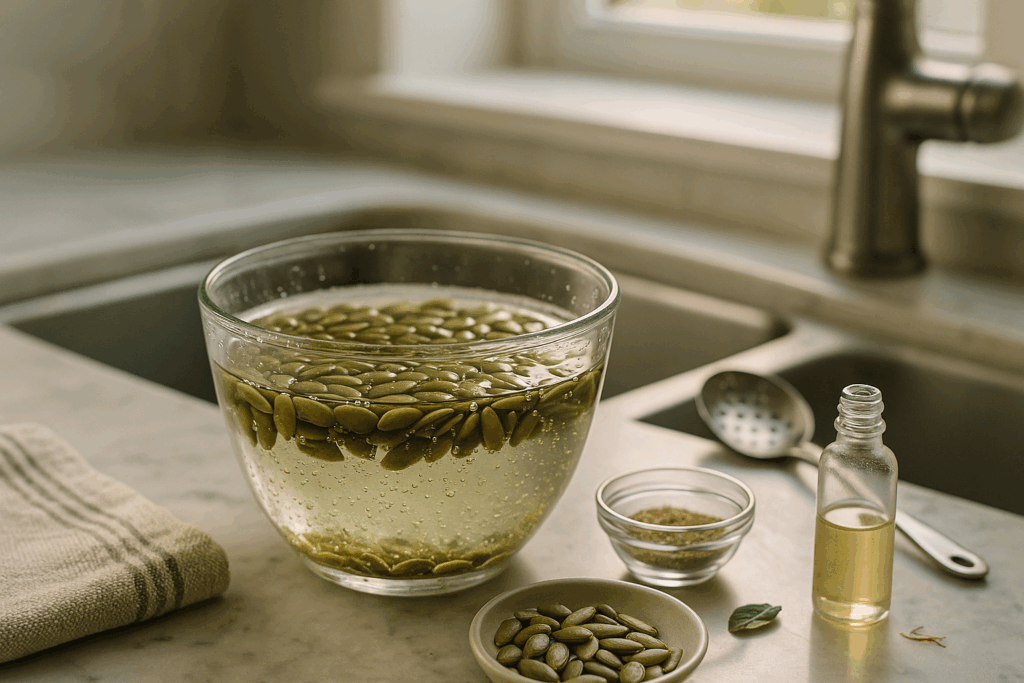
- Soaking seeds overnight can make them easier to digest and enhance nutrient absorption
FAQs
Q: Are pumpkin seeds good for cholesterol?
Yes. Their healthy fats and antioxidant content help reduce bad LDL cholesterol and support good HDL cholesterol.
Q: Can pumpkin seeds help with hormonal balance?
Absolutely. They contain zinc, magnesium, and plant compounds that support progesterone and estrogen balance, especially during the luteal phase of your cycle.
Q: Should I eat them raw or roasted?
Raw seeds retain more nutrients. Light roasting is fine, but avoid burning or using processed oils.
Q: Are pumpkin seeds good for sleep and mood?
Yes. Pumpkin seeds contain tryptophan (a precursor to serotonin and melatonin) and magnesium, which together support relaxation and restful sleep.
Q: Can I eat pumpkin seeds every day?
Yes. 1–2 tablespoons daily is safe and beneficial for most people, especially when included in a balanced diet.
Final Thoughts: Why Pumpkin Seeds Deserve a Place in Your Routine
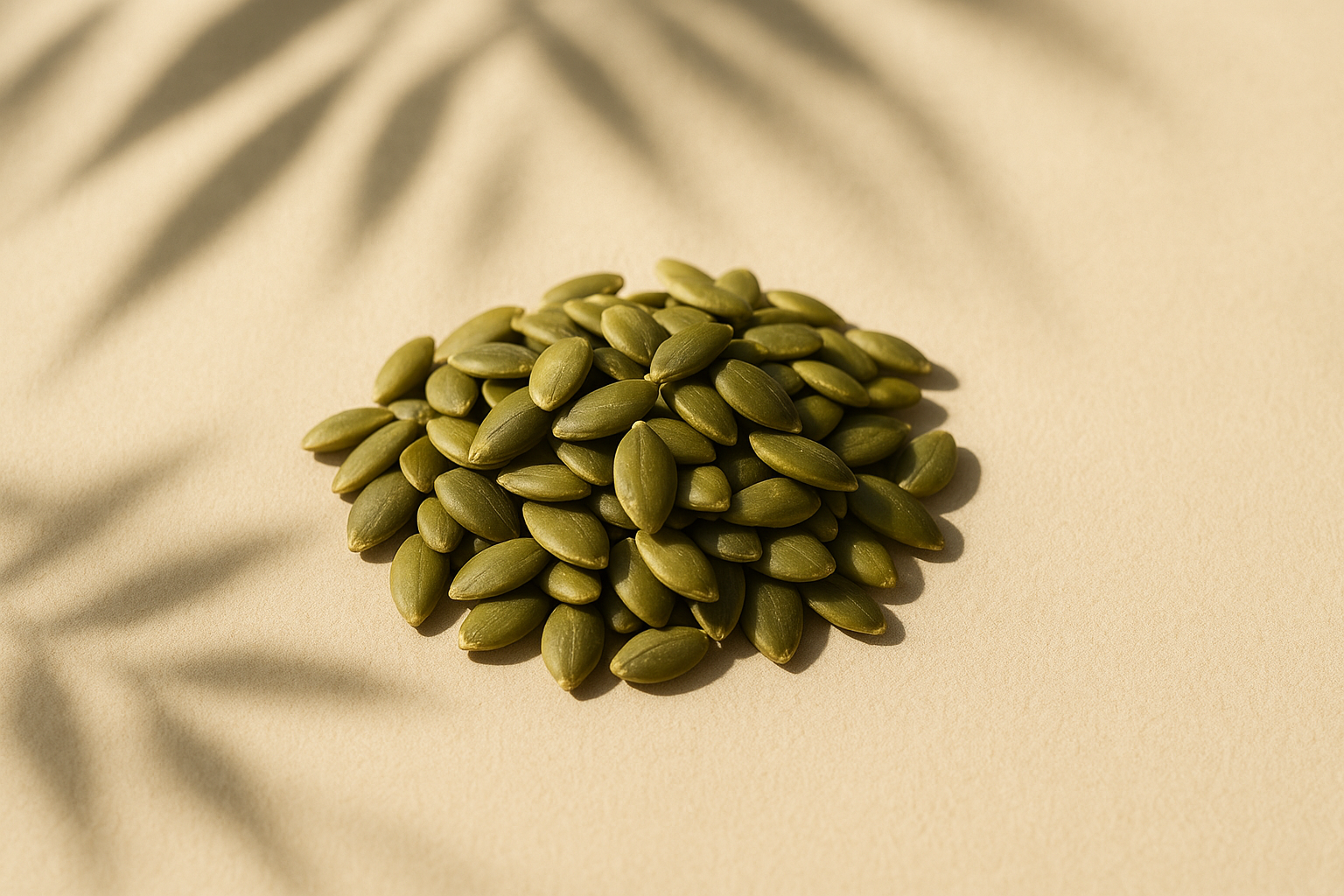
Pumpkin seeds may be small, but their health benefits are anything but. Especially for women focused on heart health, hormonal balance, and energy, these seeds deliver steady, natural support with no side effects or complications.
Think of them not just as a topping or snack — but as a daily wellness tool. Add a handful to your meals, keep them in your bag for busy days, and let these tiny green seeds strengthen your heart, skin, and spirit — one bite at a time.