

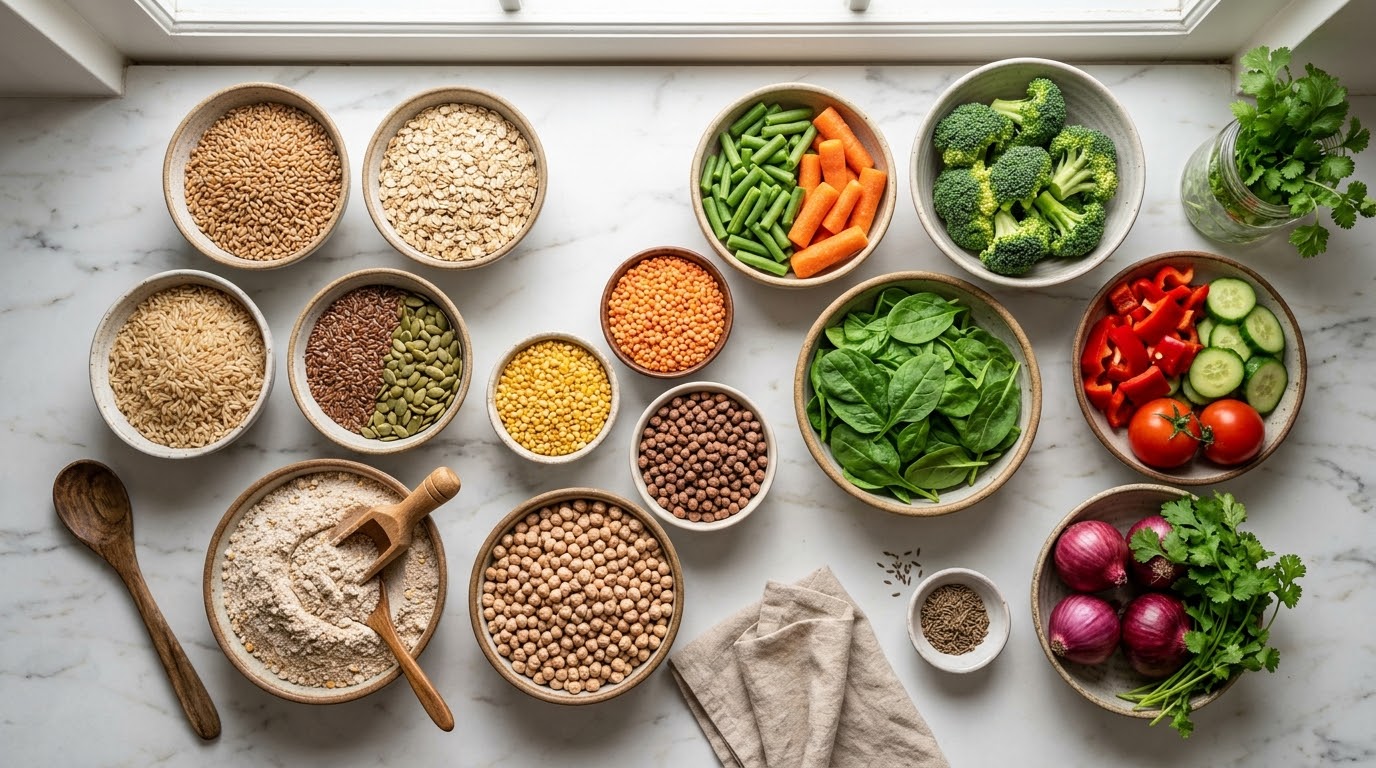

Why Fiber Is the Missing Nutrient in Many Pakistani Diets
When people try to lose weight, they often focus on reducing calories or avoiding carbohydrates. However, one of the most important nutrients for weight management is often overlooked: dietary fiber.
Fiber helps the body regulate digestion, control hunger, and maintain stable blood sugar levels.
Unfortunately, many modern diets in Pakistan contain far less fiber than recommended. Processed flour, refined grains, and packaged foods have gradually replaced traditional whole grains that were once common in everyday meals.
Increasing fiber intake through whole foods can support healthier digestion and make weight management easier over time.
How Fiber Helps With Weight Loss
Fiber influences the body in several ways that support healthy weight management.
1. Improves Fullness
Fiber slows the digestion process, allowing food to stay in the stomach longer. This helps people feel satisfied after meals and reduces the urge to snack frequently.
2. Stabilizes Blood Sugar
When carbohydrates are absorbed slowly, blood sugar levels remain more stable. This reduces sudden hunger spikes and energy crashes.
3. Supports Digestive Health
Fiber helps maintain regular bowel movements and nourishes beneficial gut bacteria.
Research published in The Journal of Nutrition has shown that higher fiber intake is associated with lower body weight and improved metabolic health.

Best High Fiber Foods Commonly Available in Pakistan
Several foods commonly found in Pakistani markets provide excellent sources of fiber.
Whole Grain Flour
Whole grain flour contains significantly more fiber than refined flour because the bran layer of the grain remains intact.
Using fiber rich atta for daily roti can help increase fiber intake without drastically changing traditional meals.
Whole grains also contain important minerals like magnesium and zinc that support metabolic health.
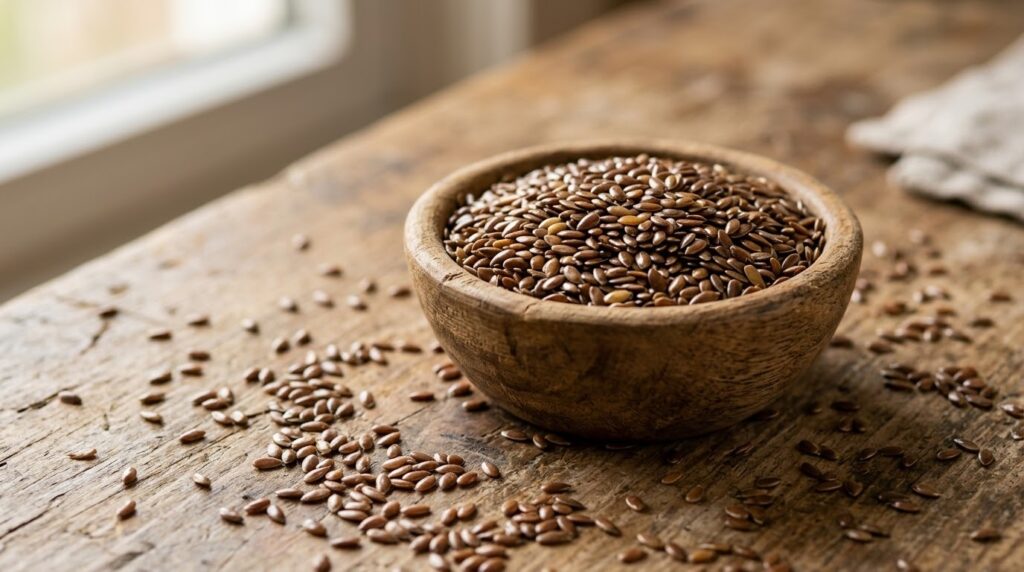
Flax Seeds
Flax seeds are among the richest natural sources of soluble fiber and omega-3 fatty acids.
Some of the commonly discussed flax seeds benefits include:
• improved digestion
• increased satiety
• support for heart health
• balanced blood sugar levels
Organic & Pure Flax Seeds can easily be added to dough, smoothies, or yogurt.
Pumpkin Seeds
Pumpkin seeds are another valuable food that supports weight management.
They provide:
• dietary fiber
• magnesium
• zinc
• plant-based protein
Because pumpkin seeds are nutrient-dense, they can help maintain fullness between meals.
Many people also include Organic & Pure Pumpkin Seeds in balanced diets because they provide minerals involved in metabolism and hormone regulation.
Barley
Barley is a whole grain that contains a special type of fiber known as beta-glucan.
Beta-glucan has been studied for its ability to:
• slow digestion
• improve blood sugar response
• support heart health
Barley can be used in soups, salads, and flour blends.
Lentils and Legumes
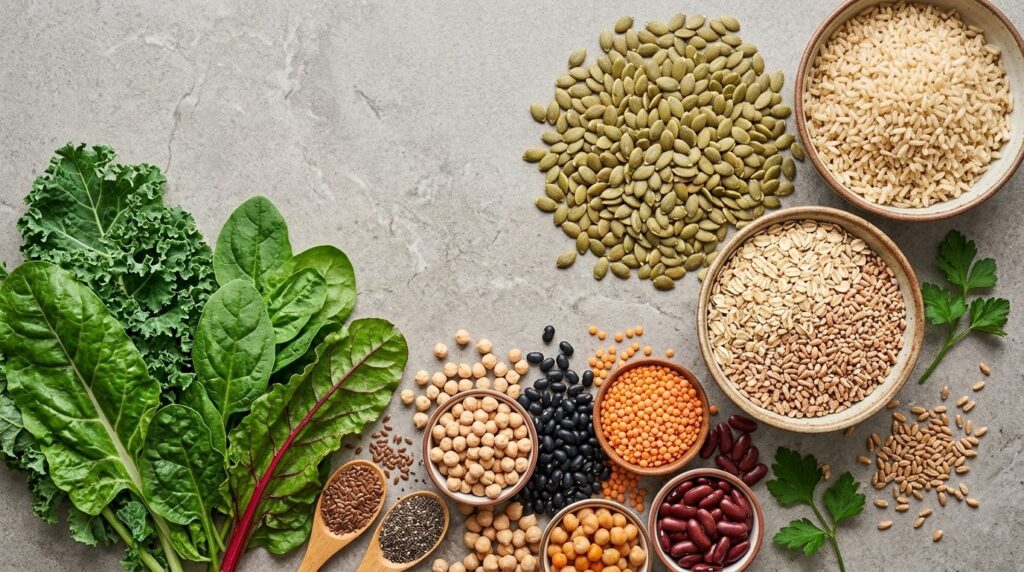
Lentils, chickpeas, and beans are traditional foods in Pakistani cuisine and provide significant fiber.
These foods also contain plant-based protein, making them excellent additions to balanced meals.
Simple Daily Ways to Increase Fiber
Improving fiber intake does not require drastic changes.
Some practical habits include:
• choosing whole grain flour instead of refined flour
• adding seeds to meals
• including vegetables with lunch and dinner
• eating lentils or legumes regularly
• drinking enough water throughout the day
Increasing fiber gradually helps the digestive system adjust comfortably.
Quick High-Fiber Multigrain Roti Recipe
Here is a simple recipe that increases fiber intake while keeping meals familiar.
Ingredients
1 cup Organic & Pure Multigrain Flour
1 tablespoon ground Organic & Pure Flax Seeds
½ teaspoon Organic & Pure Ajwain
Warm water
Pinch of salt
Instructions
- Mix flour, flax seeds, ajwain, and salt in a bowl.
- Gradually add warm water while kneading the dough.
- Let the dough rest for about 10 minutes.
- Roll into thin rotis and cook on medium heat.
This recipe combines whole grains and seeds to create a more balanced staple food.

What Happens When You Eat More Fiber?
When fiber intake increases gradually, many people notice improvements such as:
• better digestion
• more stable energy levels
• reduced hunger between meals
• improved overall dietary balance
Results vary depending on lifestyle, activity levels, and overall eating habits.
Consistency remains the most important factor.
Final Thoughts
Fiber plays a vital role in digestion, metabolic health, and appetite control.
Many modern diets contain less fiber than traditional eating patterns, which can influence both digestion and weight management.
By incorporating whole grains, seeds, legumes, and vegetables into everyday meals, it is possible to increase fiber intake naturally while maintaining familiar foods.
Small improvements in daily ingredients can have lasting benefits for overall health.