

Understanding PCOS from the Inside Out
Polycystic Ovary Syndrome (PCOS) is one of the most common hormonal disorders affecting women today — yet it often goes undiagnosed or misunderstood. The condition doesn’t always show up the same way, which makes it confusing and frustrating to live with. From irregular periods to acne, hair thinning, mood swings, and unexplained weight gain — the symptoms of PCOS are as varied as they are persistent.
But here’s the good news: you can manage many of these symptoms naturally, starting with a better understanding of what’s happening inside your body. This guide explores the most common PCOS symptoms, why they occur, and how to manage them holistically with natural remedies, nutrition, and daily practices.

Top 6 Common Symptoms of PCOS
- Irregular periods or missed cycles
- Weight gain or difficulty losing weight
- Acne and oily skin
- Excess facial or body hair (hirsutism)
- Hair thinning on the scalp
- Mood changes, anxiety, or depression
These symptoms are all connected to underlying hormonal imbalances, particularly involving insulin, testosterone, and estrogen. Let’s break down each symptom — and how to manage it naturally.
Symptom 1: Irregular or Missed Periods
Cause:
Hormonal imbalance — especially low progesterone and irregular ovulation.
Natural Remedies:
- Seed cycling (flax + pumpkin for follicular phase, sesame + sunflower for luteal phase)
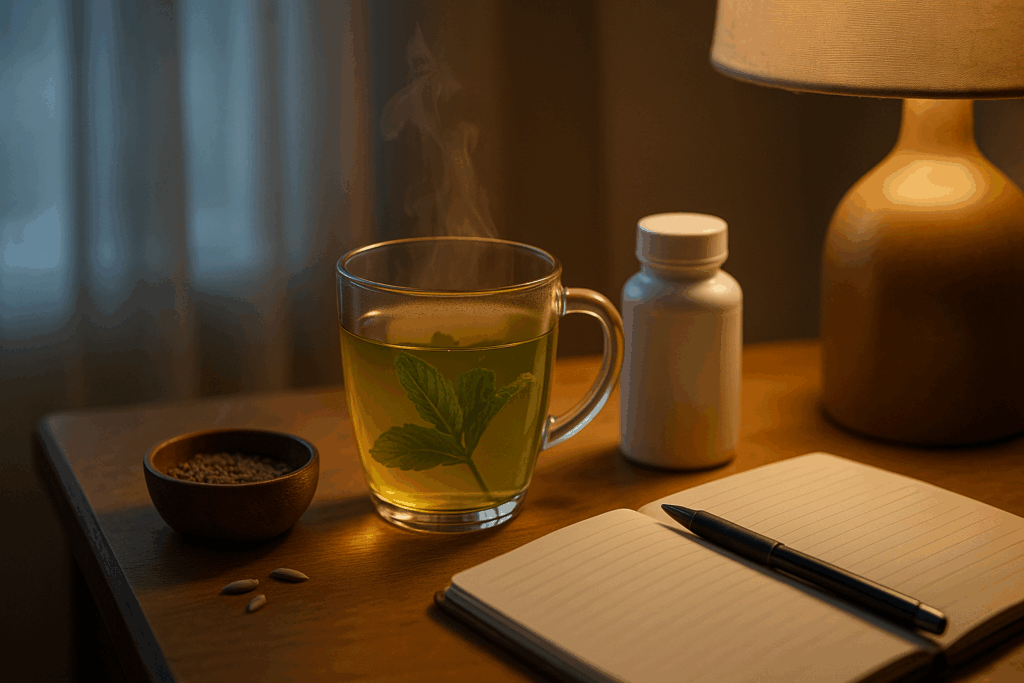
- Spearmint tea (supports ovulation and reduces testosterone)
- Moderate-intensity exercise to promote hormonal balance
- Consistent sleep-wake cycles and stress reduction
Symptom 2: Weight Gain or Difficulty Losing Weight
Cause:
Insulin resistance, high cortisol, and inflammation.
Natural Remedies:
- Follow a low-glycemic, high-fiber diet (vegetables, healthy fats, lean proteins)
- Use apple cider vinegar before meals to support insulin response
- Include magnesium-rich foods (leafy greens, pumpkin seeds)
- Practice mindful movement: walking, strength training, yoga
Symptom 3: Acne and Oily Skin
Cause:
Elevated androgens (male hormones), especially testosterone.
Natural Remedies:
- Zinc-rich foods (pumpkin seeds, legumes, eggs)
- Avoid dairy and sugar — both linked to hormonal acne
- Apply tea tree oil or turmeric-based masks for inflammation
- Drink spearmint tea twice a day (clinically shown to lower testosterone)
Symptom 4: Excess Hair Growth (Hirsutism)
Cause:
High androgen levels overstimulating hair follicles.
Natural Remedies:
- Saw palmetto (herbal supplement that blocks DHT)
- Spearmint tea (anti-androgenic properties)
- Avoid processed carbs and sugars — they trigger more testosterone
- Add flaxseeds and omega-3s to your diet for hormone balance
Symptom 5: Hair Thinning or Hair Loss
Cause:
Hormonal imbalance, particularly low estrogen and high androgens.
Natural Remedies:
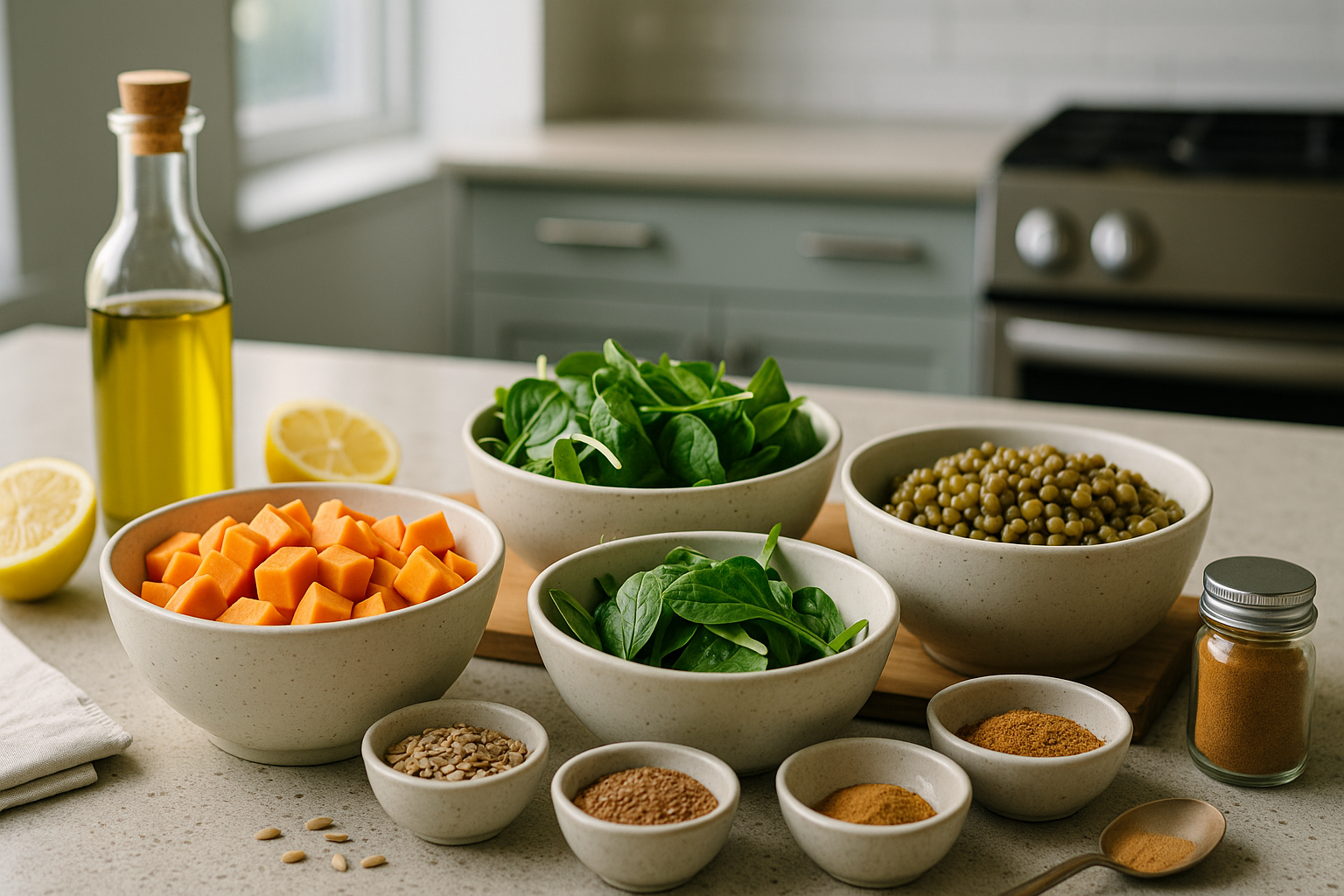
- Focus on iron and biotin-rich foods (lentils, spinach, almonds)
- Use natural oils like rosemary oil or black seed oil on scalp
- Include zinc and selenium to support thyroid function
- Reduce stress and inflammation through daily relaxation practices
Symptom 6: Mood Swings, Anxiety, or Depression
Cause:
Hormonal imbalances, inflammation, poor blood sugar control.
Natural Remedies:
- Magnesium (in food or supplement form) helps reduce anxiety
- Adaptogens like ashwagandha or rhodiola can balance cortisol
- Practice mindful breathing, meditation, or journaling
- Eat omega-3 rich foods (chia seeds, walnuts, fatty fish)
Daily Routine: Natural PCOS Management Plan
A consistent lifestyle makes the biggest impact on PCOS. Here’s a sample day that supports symptom relief:
Morning
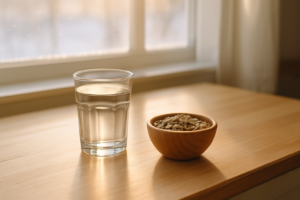
- Warm lemon water with soaked flaxseeds
- 20-minute walk or yoga
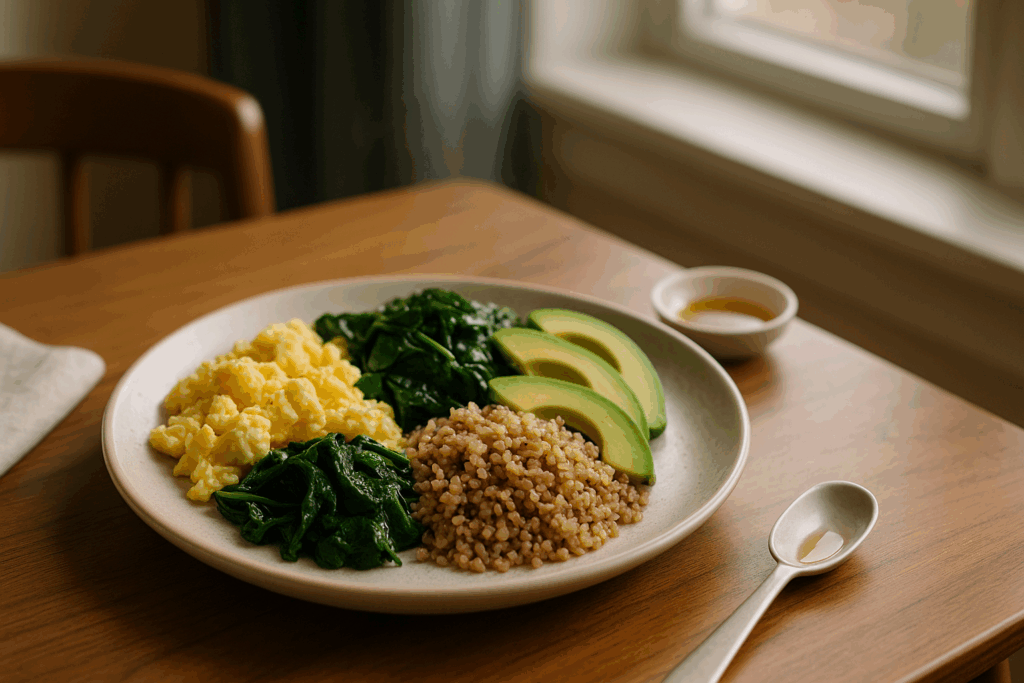
- Balanced breakfast: scrambled eggs, spinach, avocado
Afternoon
- Herbal tea (spearmint or cinnamon)
- Lunch with lean protein + quinoa + steamed vegetables
- 10-minute break from screens or light meditation
Evening
- Herbal adaptogen (ashwagandha or tulsi)
- PCOS-friendly dinner: lentils, roasted sweet potato, salad
- Wind down without screens for 30–60 minutes before bed
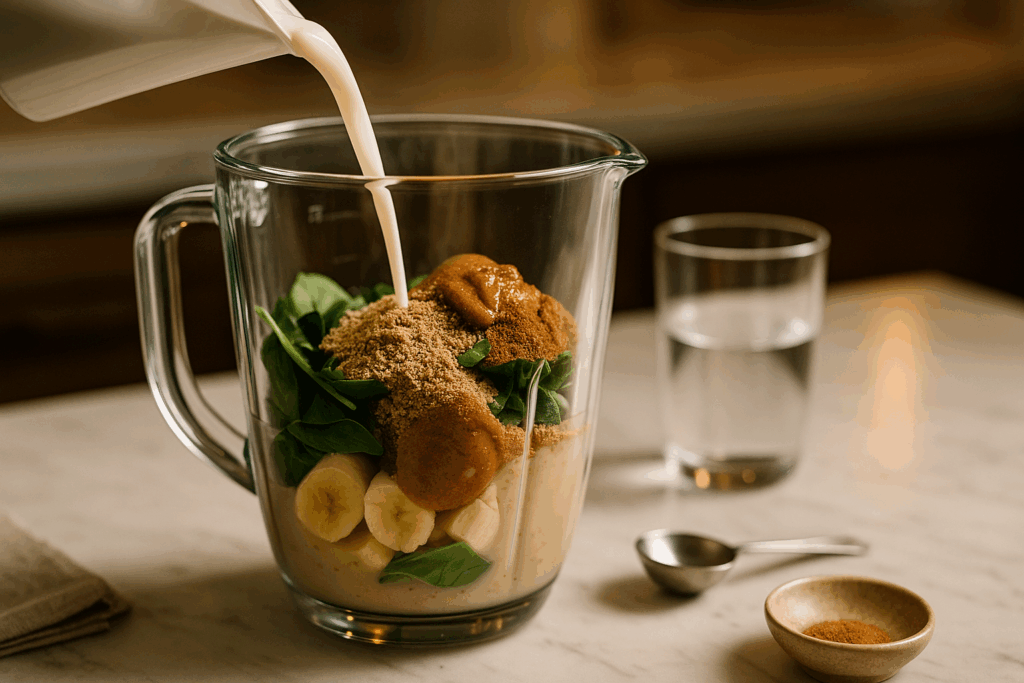
Quick & Easy Recipe: Hormone-Balancing Smoothie
This smoothie supports blood sugar balance, reduces inflammation, and nourishes skin and hair.
Ingredients:
- 1 tbsp ground flaxseeds
- ½ banana
- ½ cup spinach
- 1 tsp almond butter
- 1 cup unsweetened almond milk
- Pinch of cinnamon
Instructions:
Blend all ingredients until smooth. Drink in the morning or as a midday hormone-friendly snack.
Tips for Long-Term PCOS Symptom Management
- Track your cycle and symptoms in a journal or app
- Get regular blood tests to monitor hormone and insulin levels
- Focus on consistency over intensity — small daily habits matter
- Avoid restrictive diets or over-exercising — both can worsen symptoms
- Build a supportive environment — mental health is just as important
FAQs
Q: Can PCOS symptoms be reversed?
While there’s no “cure,” many women reverse their symptoms through lifestyle and dietary changes. With consistency, symptoms like acne, irregular cycles, and weight gain can improve.
Q: Do all women with PCOS have the same symptoms?
No. PCOS is highly individualized. Some experience weight gain, others don’t. Symptoms vary based on hormone levels and body response.
Q: Is birth control the only option for PCOS symptom management?
No. While birth control can regulate periods, natural remedies, diet, and targeted supplements can also provide long-term symptom relief without side effects.
Q: How long does it take to see changes with natural remedies?
Many women notice improvements within 4–12 weeks of consistent changes in diet, movement, and stress management.
Q: Can I have PCOS without cysts on my ovaries?
Yes. PCOS is diagnosed based on three criteria: irregular cycles, high androgen levels, and ovarian cysts. You only need two of the three for a diagnosis.
Final Thoughts: Healing PCOS Starts with Knowing Your Symptoms
PCOS is not one-size-fits-all, and neither is its treatment. The key to managing your symptoms is listening to your body, tracking patterns, and applying consistent natural habits that support hormone harmony.
Whether you’re facing acne, irregular periods, or mood swings, know that you’re not alone — and you don’t have to rely on medication alone. Through real food, gentle movement, stress reduction, and targeted remedies, you can take control of your health and feel like yourself again.