

The PCOS-Fertility Connection
Polycystic Ovary Syndrome (PCOS) is one of the leading causes of infertility in women, yet it’s also one of the most misunderstood. Many women with PCOS are told they might not conceive, but that isn’t the full story.
PCOS affects ovulation, which is essential for pregnancy. But with the right tools — including nutrition, lifestyle changes, and targeted natural remedies — many women successfully manage PCOS and conceive naturally.
If you’re trying to get pregnant or plan to in the future, this guide offers practical, natural, and research-backed steps to support your fertility — starting with understanding the root causes of PCOS and what your body truly needs.

Why PCOS Impacts Fertility
PCOS is a hormonal disorder that affects how the ovaries function. In a typical cycle, a woman releases one mature egg during ovulation. In PCOS, due to insulin resistance and hormonal imbalances, ovulation may become irregular or stop completely.
Key factors in PCOS-related infertility:
- Irregular or absent ovulation (anovulation)
- Elevated androgens (male hormones) that disrupt the menstrual cycle
- Insulin resistance, which affects hormone production and fat storage
- Chronic inflammation, which interferes with hormone signaling
These imbalances make it harder for the body to produce, release, and support a mature egg — but they can often be improved without invasive medical interventions.
Can You Get Pregnant with PCOS? Yes — and Here’s How
Many women with PCOS conceive naturally after making consistent, supportive changes to their diet, stress levels, sleep, and exercise habits.
Natural management focuses on:
- Restoring regular ovulation
- Lowering insulin levels
- Reducing inflammation
- Supporting egg quality
- Regulating hormones like LH, FSH, estrogen, and progesterone
Success doesn’t happen overnight — but with time and consistency, the body often begins to respond positively.
Top 5 Natural Remedies to Support Fertility with PCOS
- Inositol (Myo + D-Chiro)
- Mimics insulin and improves ovulation. Helps reduce testosterone and support egg quality.
- Vitex (Chasteberry)
- Supports progesterone levels and can help regulate cycles naturally. Best used under guidance.
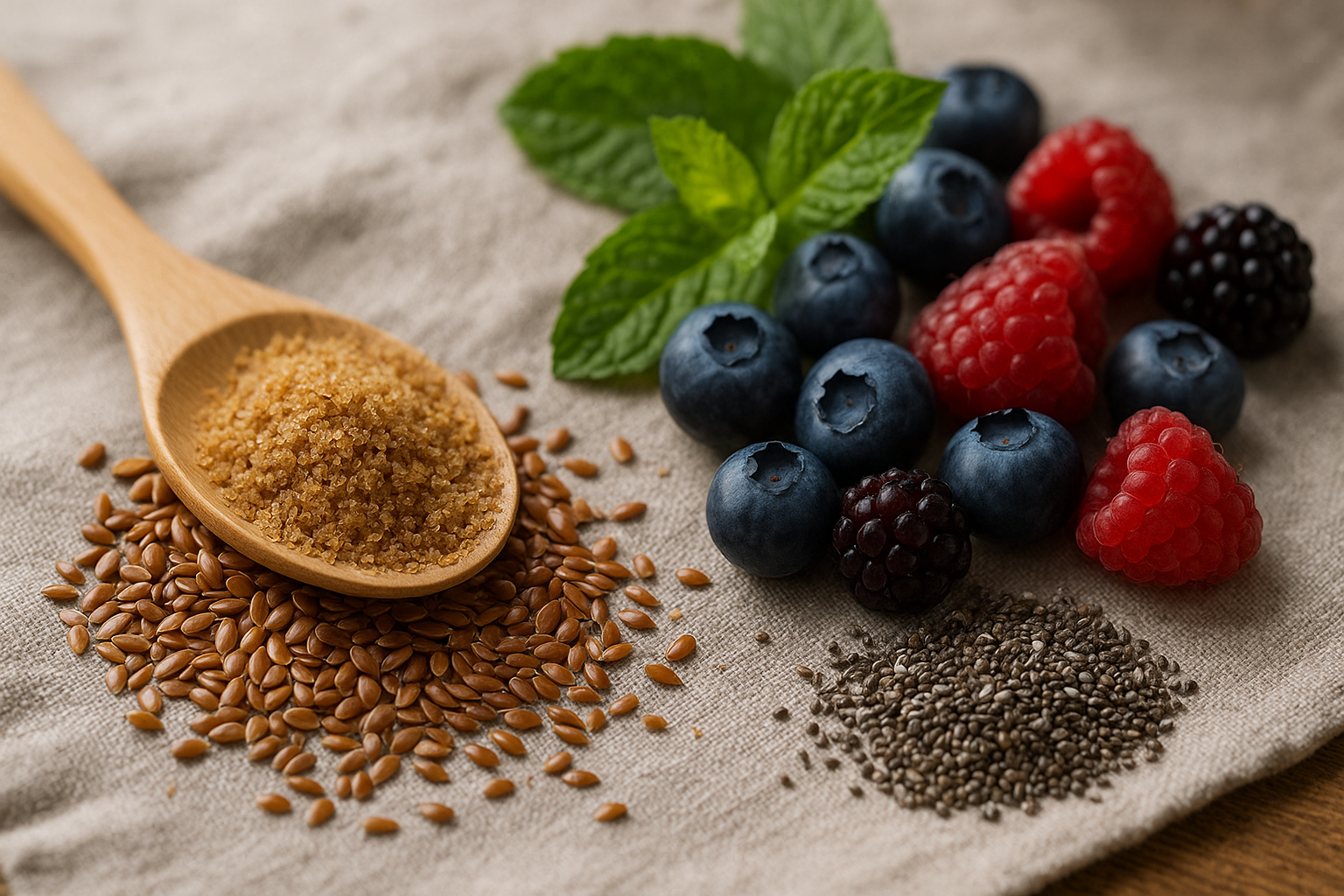
- Flaxseeds
- Rich in lignans to balance estrogen and support regular ovulation.
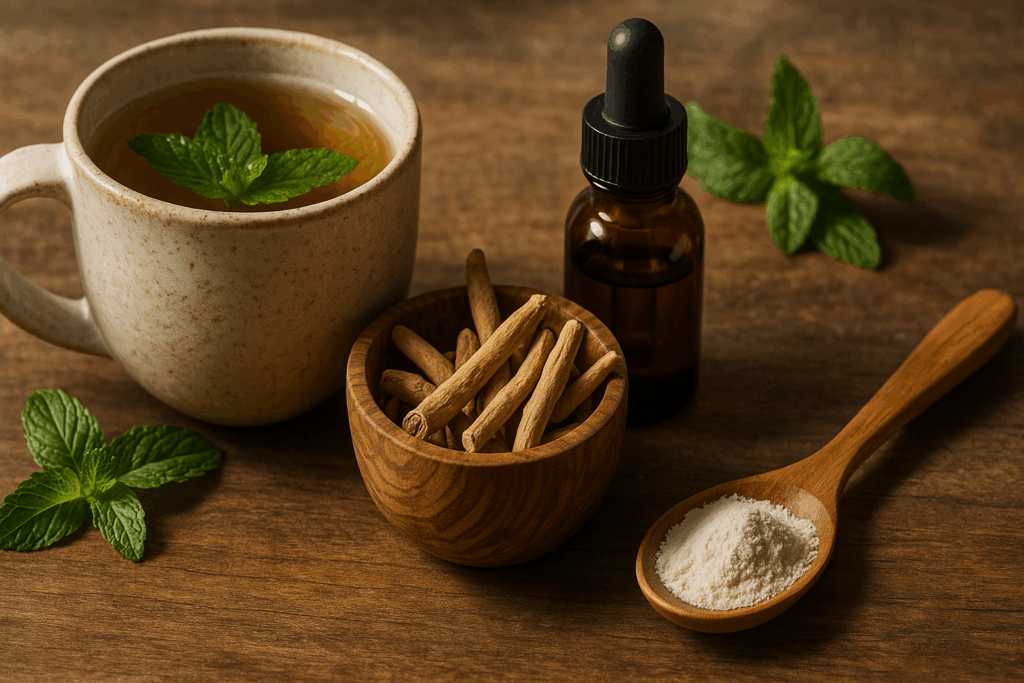
- Spearmint tea
- Reduces androgens, especially helpful for acne, facial hair, and hormonal balance.
- Ashwagandha
- Adaptogen that reduces cortisol (stress hormone), which negatively affects ovulation.
Nutrition for Fertility in PCOS
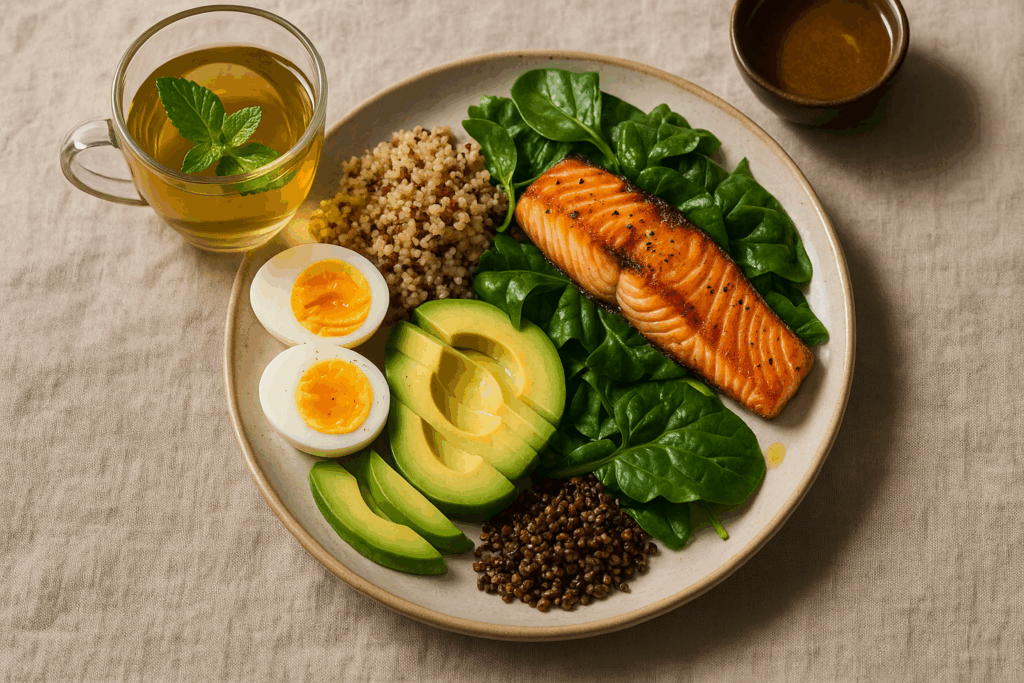
What you eat directly impacts your hormones. A fertility-supporting PCOS diet focuses on balancing blood sugar, reducing inflammation, and nourishing your reproductive system.
Foundation of a Fertility-Friendly Plate:
- Protein: Eggs, fish, lentils, beans
- Healthy fats: Avocado, nuts, olive oil, ghee
- Low glycemic carbs: Quinoa, oats, sweet potato
- Fiber: Leafy greens, berries, chia seeds
- Hydration: Water, herbal teas, coconut water
Avoid:
- Refined sugar and white flour
- Trans fats and seed oils
- Excess caffeine
- Processed or packaged foods
Regular, balanced meals help reduce insulin spikes and create a stable hormonal environment for ovulation and conception.
Daily Routine and Lifestyle Tips for Fertility
Small shifts in routine can make a big impact on your hormones and cycle regulation.
- Get sunlight in the morning: Helps regulate circadian rhythm and hormone timing
- Prioritize sleep: 7–8 hours of quality sleep is essential for hormone production
- Exercise gently: Combine walking, yoga, and light strength training — avoid overtraining
- Track your cycle: Even irregular cycles offer clues; use an app or journal
- Practice stress reduction: Meditation, journaling, or even 10 minutes of deep breathing daily can lower cortisol levels
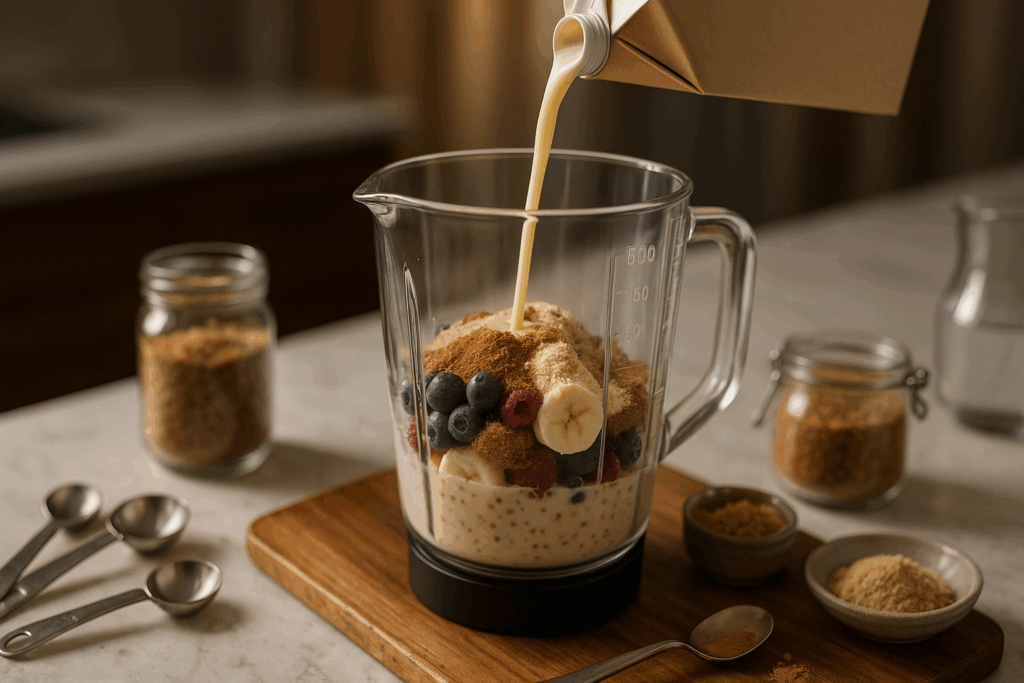
Quick and Easy Recipe: Fertility Smoothie with Flax & Berries
This hormone-balancing smoothie supports egg quality, insulin balance, and inflammation reduction.
Ingredients:
- 1 banana
- ½ cup mixed berries
- 1 tbsp ground flax seeds
- 1 scoop protein (plant-based or collagen)
- ½ cup almond or oat milk
- 1 tsp cinnamon
- Optional: 1 tsp maca powder
Instructions:
Blend all ingredients until smooth. Drink as a nutrient-rich breakfast or snack. This smoothie is rich in fiber, antioxidants, and hormone-supporting nutrients.
FAQs
Q: Can I conceive naturally if I have PCOS?
Yes. Many women with PCOS conceive naturally after improving ovulation through nutrition, stress reduction, and targeted natural remedies.
Q: Does PCOS affect egg quality?
It can, especially if insulin resistance is high. Supporting blood sugar balance and reducing inflammation can improve egg health over time.
Q: How long does it take to regulate cycles naturally?
Most women see improvements in 3–6 months with consistent diet and lifestyle changes. However, every body is different.
Q: Should I avoid dairy and gluten with PCOS?
Some women are sensitive to these and feel better without them. Try eliminating for 4 weeks and monitor your cycle, energy, and skin.
Q: Is medication the only way to treat PCOS infertility?
No. Medications like Clomid or Metformin can help, but many women prefer starting with natural approaches, which can be effective and side-effect free.
Final Thoughts: You Are Not Infertile — You Need Support
Having PCOS doesn’t mean you can’t get pregnant. It means your body needs a bit more time, patience, and support to function as it’s designed to.
Instead of fighting your hormones, learn to work with them. A nourishing diet, steady lifestyle habits, and herbal support can often bring your cycle back into rhythm — and your fertility back on track.
Trust your body, support it gently, and give it what it truly needs. Fertility is a journey, not a deadline.