

A Comforting Superfood for Heart and Health
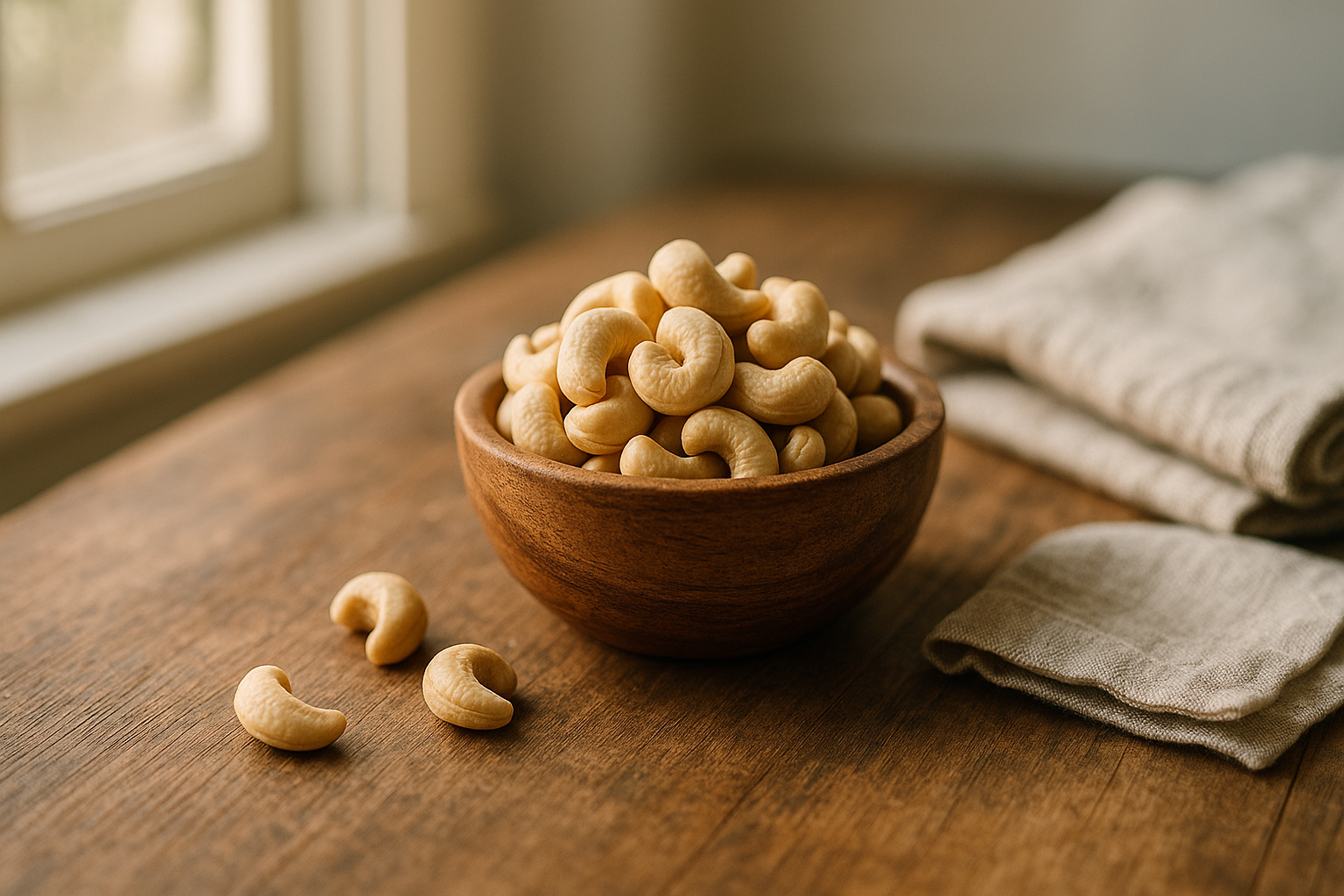
Cashews are often associated with indulgence — creamy, buttery, and delicious — but there’s more to this nut than taste. Cashews are a winter wellness powerhouse, especially when it comes to heart health, energy, and skin nourishment.
As the weather cools, your body craves warming, nutrient-dense foods that support circulation, immunity, and hormone balance. Cashews deliver all of that and more — making them an ideal addition to a heart-conscious, winter-friendly diet for women.
Top 6 Benefits of Cashews for Heart and Overall Health
- Lower LDL cholesterol and improve cardiovascular health
- Provide plant-based protein and healthy fats for sustained energy
- Support blood pressure regulation with magnesium and potassium
- Contain antioxidants that protect against inflammation and heart disease
- Improve skin elasticity and hydration with copper and healthy fats
- Support hormone balance and nervous system function
What Makes Cashews Heart-Healthy?
Cashews contain a balanced mix of monounsaturated and polyunsaturated fats, which are known to lower bad cholesterol (LDL) and support good cholesterol (HDL). This contributes directly to reduced risk of heart disease, stroke, and hypertension.
They’re also rich in magnesium, which helps regulate heartbeat and blood pressure, and potassium, which eases tension in blood vessel walls — both critical for heart function.
Additionally, plant sterols found in cashews naturally support cholesterol balance without the need for synthetic supplements.
Nutritional Composition of Cashews (per 28g / about 18 cashew nuts)
- Calories: 157
- Protein: 5g
- Total Fat: 12g (including 7g monounsaturated)
- Carbohydrates: 9g
- Magnesium: 83mg
- Copper: 0.6mg (over 60% of daily value)
- Zinc: 1.6mg
- Iron: 1.9mg
- Vitamin K, B6, and antioxidants
Cashews offer a dense source of vitamins, minerals, and healthy fats, making them a complete snack for heart, hormones, skin, and energy.
Cashews in Winter: Why They Work Best in Colder Seasons
In traditional wellness systems like Ayurveda and Unani, cashews are considered warming foods. This means they help increase body heat, stimulate circulation, and support digestion — all of which are especially helpful in cold weather.
They also help reduce winter dryness, both internally and on the skin, due to their high healthy fat content. For women, this translates to better hydration, stable mood, and smoother energy during the darker, slower months of the year.
Daily Use: How to Add Cashews to Your Winter Diet
Cashews are incredibly versatile — mild in flavor and easy to blend into both sweet and savory dishes.
Suggested Daily Intake:
- 10–15 raw or lightly roasted cashews
Best Times to Eat:
- Morning: With breakfast for energy and blood sugar control
- Midday snack: As a filling, heart-healthy option
- Evening: Lightly roasted with cinnamon as a warming treat
Easy Ways to Use Cashews:
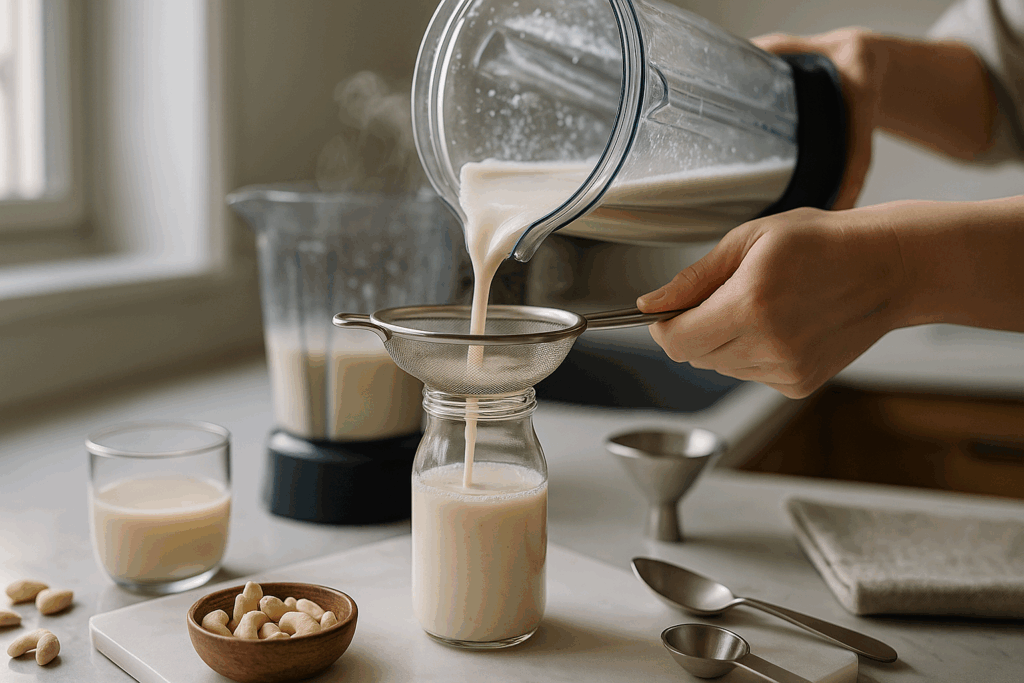
- Blended into cashew milk or cashew cream
- Stirred into curries or soups for creaminess
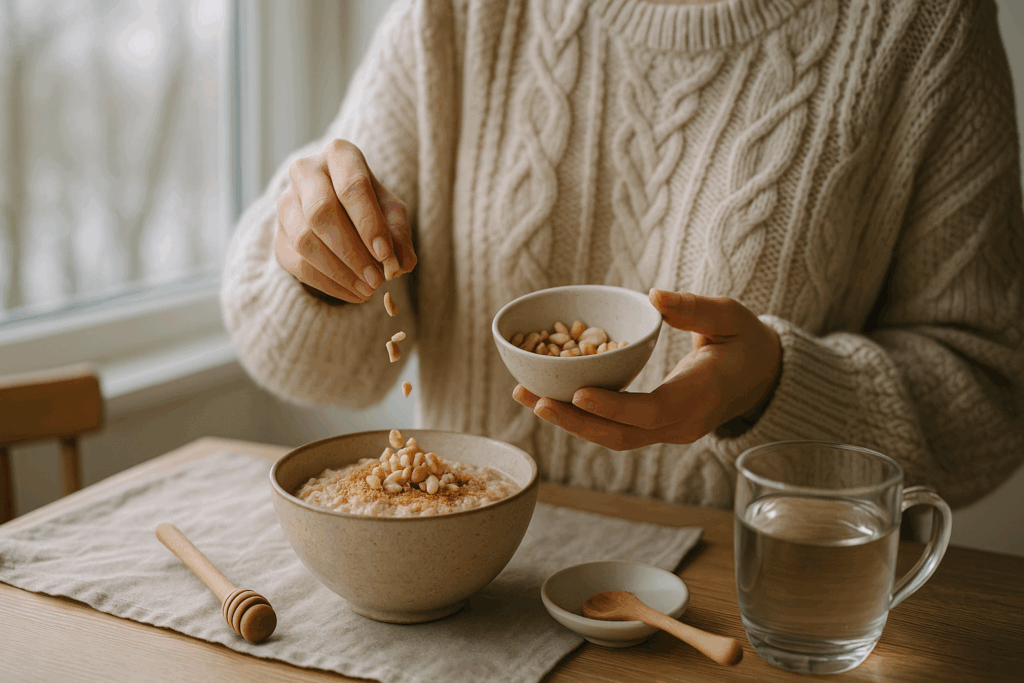
- Chopped over oatmeal or yogurt
- Mixed with other dry fruits for an energy-boosting trail mix
- Soaked and used in smoothies or dairy-free desserts
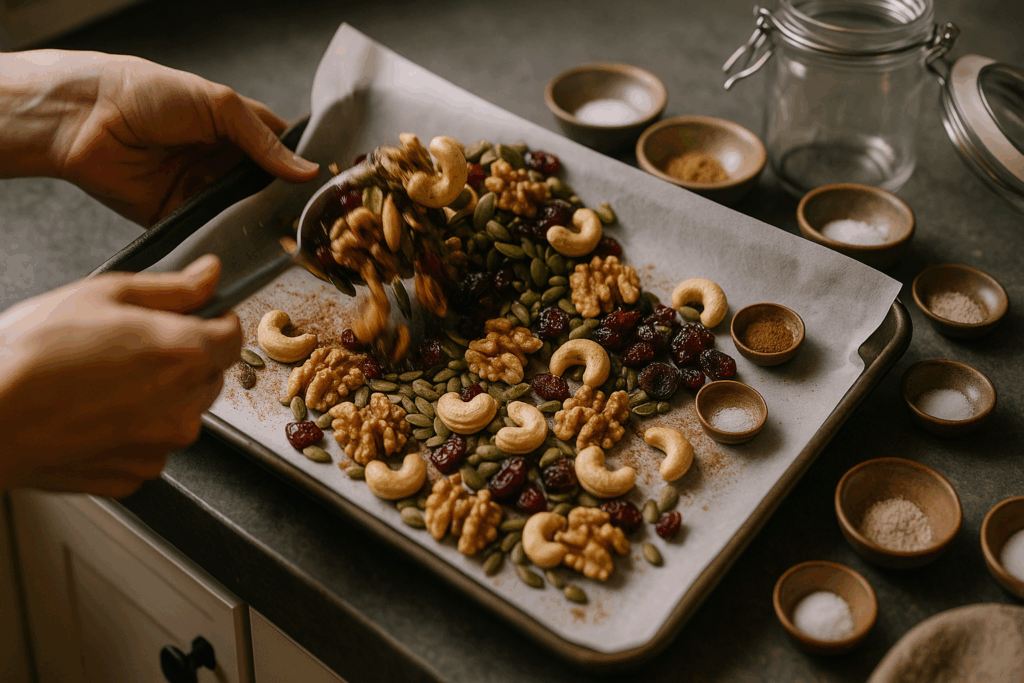
Quick & Easy Recipe: Heart-Healthy Cashew Trail Mix
Ingredients:
- ½ cup raw cashews
- ¼ cup walnuts
- 2 tbsp pumpkin seeds
- 2 tbsp dried cranberries (unsweetened)
- 1 tsp cinnamon
- Pinch of sea salt
Instructions:
Mix all ingredients in a bowl. Store in an airtight container and enjoy a handful daily for heart, skin, and energy support.
Tips for Buying and Storing Cashews
- Choose unsalted, raw or dry-roasted cashews
- Avoid cashews roasted in vegetable oils or sugar coatings
- Store in an airtight container in a cool, dark place
- Refrigerate or freeze to extend shelf life and prevent rancidity
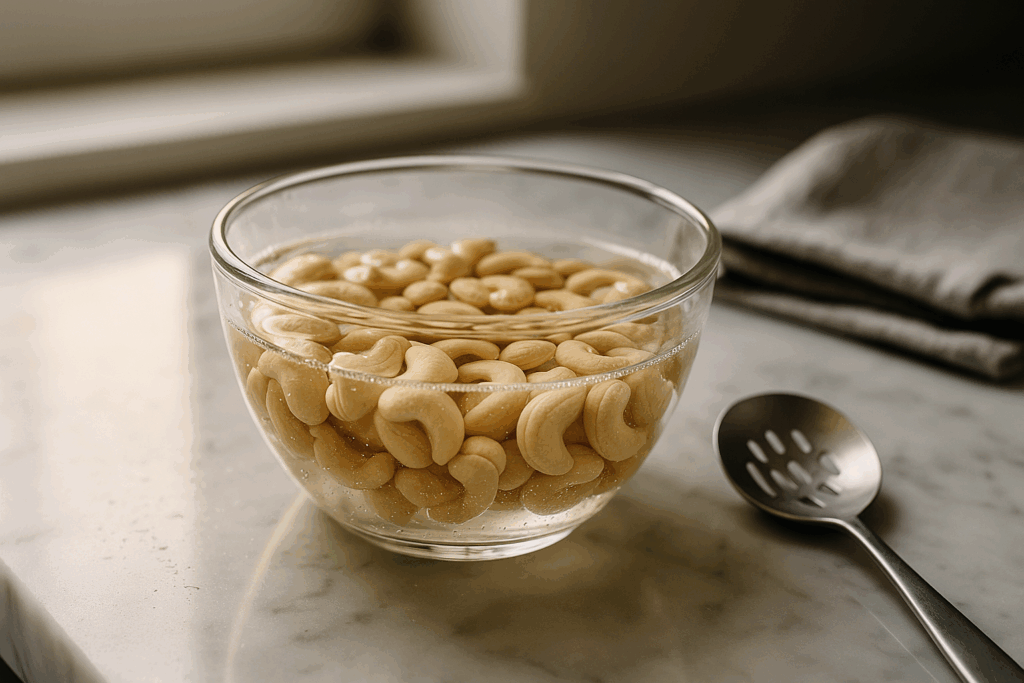
- Soak cashews for a few hours before blending or eating to improve digestion
FAQs
Q: Are cashews good for cholesterol?
Yes. Cashews contain healthy fats and plant sterols that help lower LDL (bad) cholesterol and improve HDL (good) cholesterol.
Q: Can I eat cashews daily?
Absolutely. 10–15 cashews per day are safe and beneficial when included as part of a balanced diet.
Q: Do cashews help with weight loss or gain?
They can support both — depending on portion size. They are calorie-dense but filling, which can reduce cravings and prevent overeating.
Q: Are cashews beneficial for women’s skin and hair?
Yes. Cashews are rich in copper, zinc, and healthy fats — all essential for collagen production, skin glow, and hair strength.
Q: Should I choose raw or roasted cashews?
Raw or dry-roasted cashews (without added oils) are best for maximum nutrition and heart health.
Final Thoughts: Cashews Are More Than a Snack — They’re Heart Food
Whether you’re looking to improve heart health, support your skin, or simply find a wholesome winter snack, cashews are a perfect choice. They nourish the body with essential fats, minerals, and plant-based compounds that promote balance, energy, and protection — especially in colder months when your body needs extra care.
Let your food support your heart — naturally, consistently, and deliciously. Add cashews to your daily winter routine and feel the difference from the inside out.