

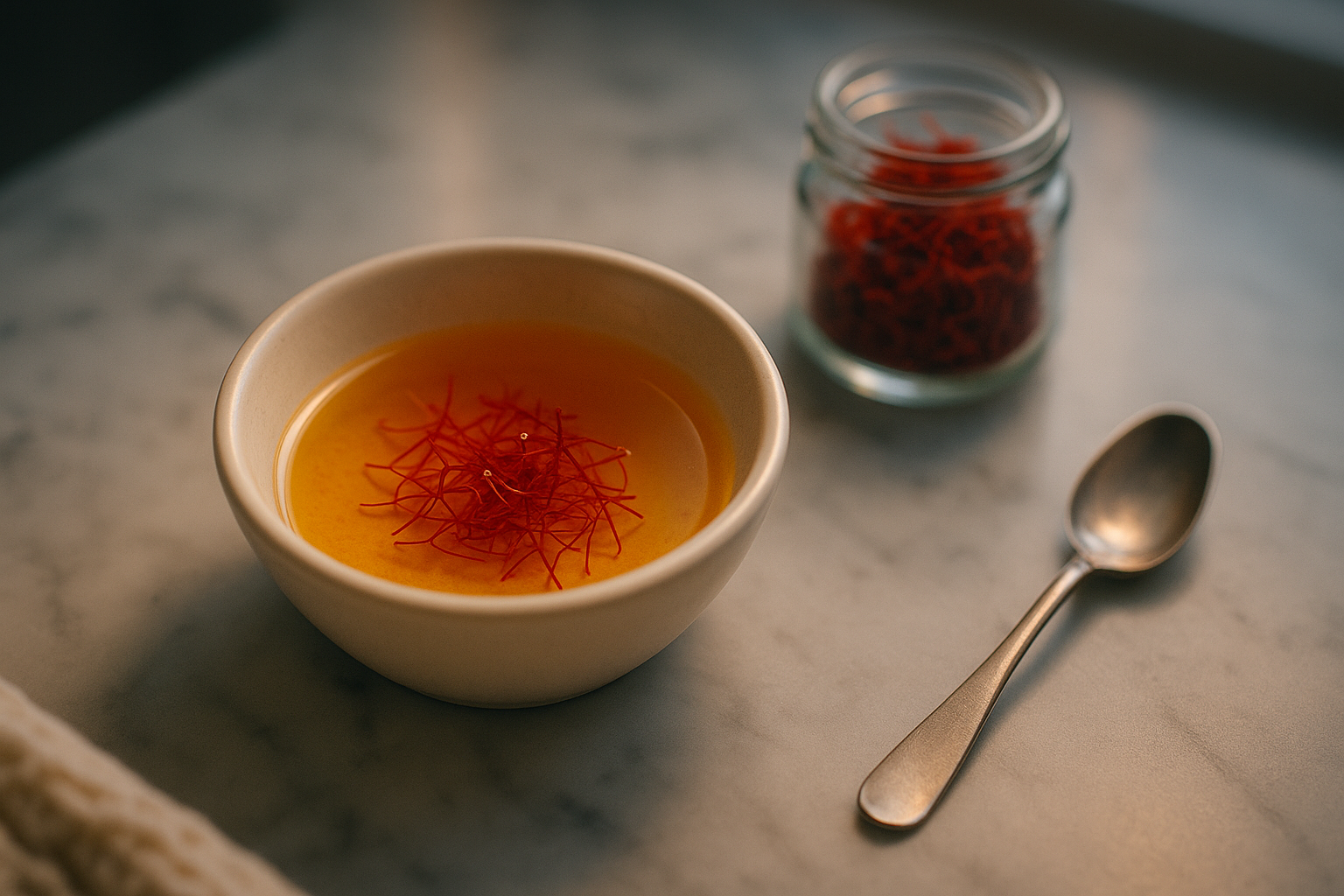

A Golden Spice for a Calmer Mind
Life today moves fast — and stress often follows close behind. Whether it’s work pressure, hormonal changes, or emotional fatigue, many women experience chronic stress that affects everything from sleep to digestion. The good news is that nature offers powerful tools for calm — and one of the most effective is saffron, also known as zafran.
Often called “red gold,” saffron is more than a luxury spice; it’s a scientifically supported natural mood enhancer. Let’s explore how saffron supports emotional balance, reduces anxiety, and restores calm — naturally and beautifully.
Top 6 Benefits of Saffron for Stress Relief and Emotional Balance
- Promotes calmness by reducing cortisol (stress hormone)
- Elevates mood and supports serotonin levels
- Reduces anxiety and emotional fatigue
- Improves sleep quality and relaxation
- Eases PMS and menopausal mood swings
- Acts as a natural antidepressant without side effects
Why Saffron Works for Stress Relief
Saffron’s stress-relieving magic lies in its bioactive compounds — mainly crocin, crocetin, and safranal. These work together to influence key neurotransmitters like serotonin and dopamine, which regulate mood, motivation, and relaxation.
Studies show that saffron can reduce cortisol (your body’s main stress hormone) while increasing serotonin, which helps promote calm and well-being. This dual action makes saffron a natural alternative to synthetic mood boosters — gentle, safe, and effective
How Saffron Supports Women’s Emotional and Hormonal Balance
Women often experience stress differently because of hormonal fluctuations, particularly during PMS, postpartum, or menopause. Saffron’s benefits extend beyond emotional calm — it supports hormonal and neurological stability.
Here’s how:
- Balances mood swings caused by estrogen and progesterone fluctuations
- Eases irritability and fatigue during PMS or menopause
- Enhances mental clarity by reducing inflammation in the brain
- Promotes restful sleep, crucial for hormone balance and recovery
A small daily dose of saffron can make a significant difference in how your body handles stress, both emotionally and physically.
Nutritional & Functional Profile of Saffron (per gram)
- Crocin & Crocetin: Antioxidants that reduce oxidative stress and support mood
- Safranal: Natural compound linked to relaxation and better sleep
- Manganese & Potassium: Support nervous system function
- Flavonoids & Carotenoids: Anti-inflammatory and protective for brain health
Saffron is concentrated, meaning just a few strands daily can deliver noticeable benefits — no need for high doses or complicated routines.
Daily Use: How to Add Saffron to Your Routine for Stress Relief
Suggested Daily Intake:
2–4 strands (about 30 mg) per day, infused in food or drink.
Best Times to Use:
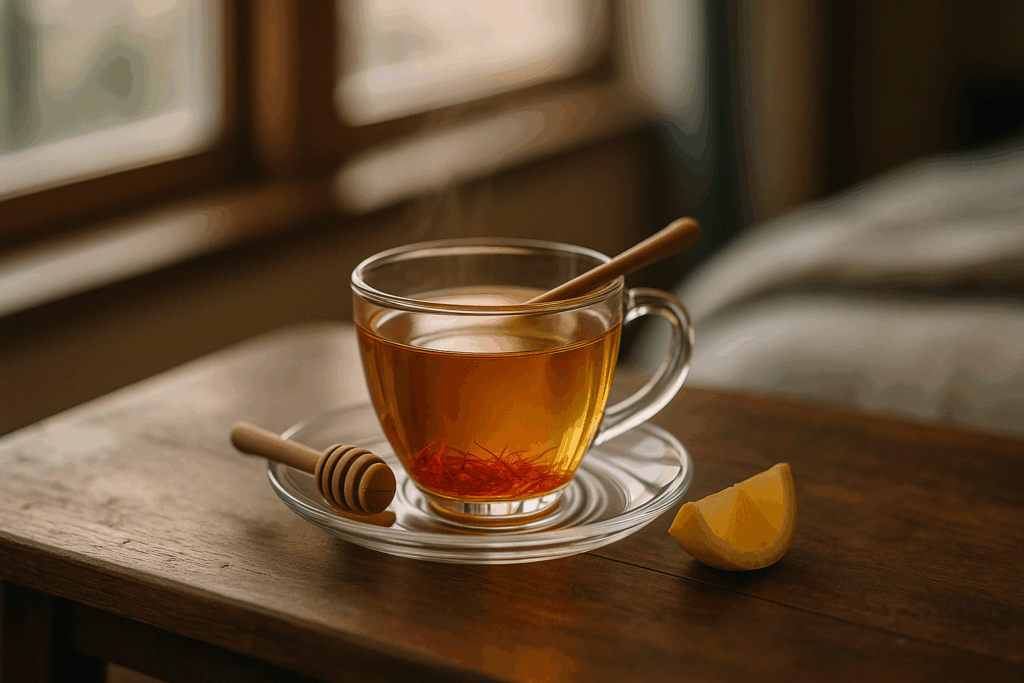
- Morning: Start your day calm and focused with saffron tea or saffron milk.
- Evening: Use before bedtime to promote deeper sleep and reduce mental tension.
How to Take Saffron for Stress Relief:
- Add strands to warm milk or tea.
- Use in cooking — oatmeal, smoothies, or herbal drinks.
- Try saffron-infused oil for aromatherapy and topical calm.
- Consider saffron supplements (standardized extracts) for consistent results.
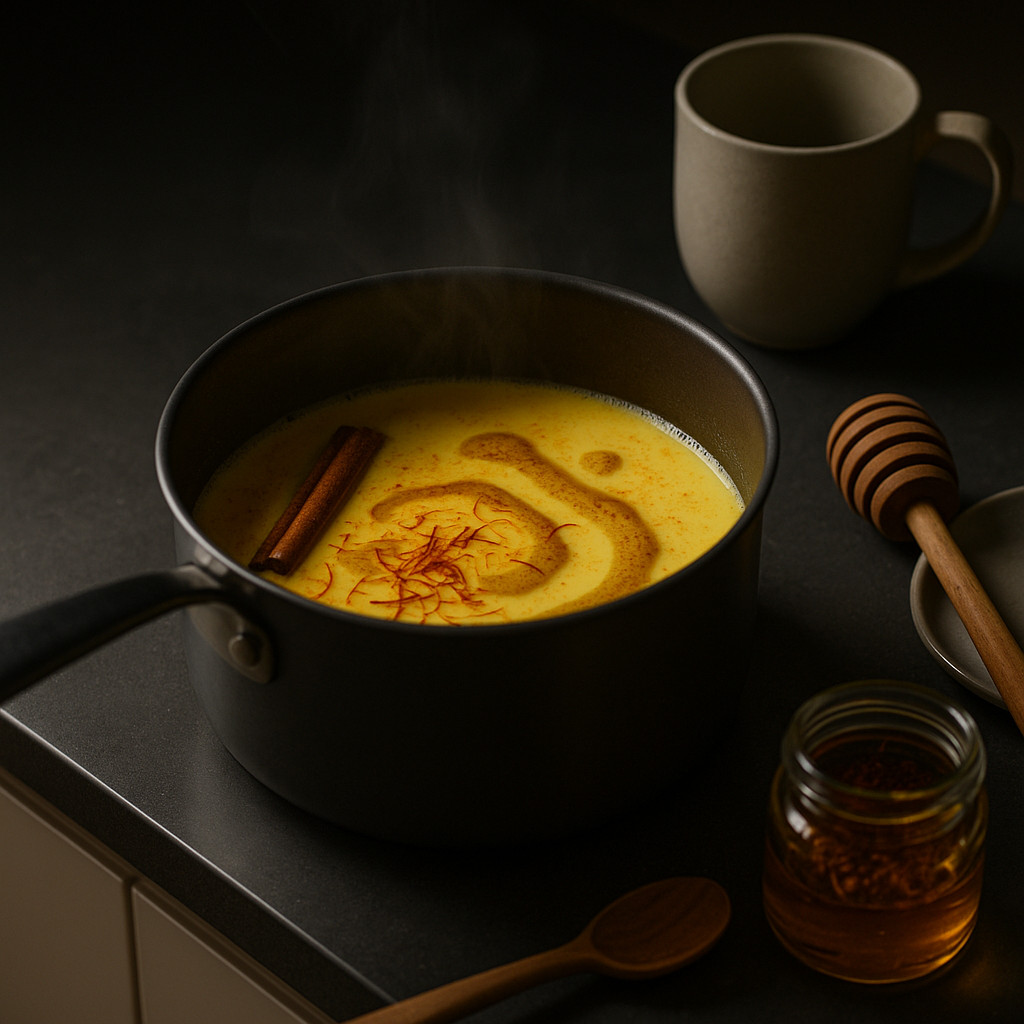
Quick & Easy Recipe: Saffron Calming Milk for Stress Relief
Ingredients:
- 1 cup warm milk (almond, oat, or dairy)
- 3–4 saffron strands
- ½ tsp turmeric
- 1 tsp honey (optional)
- A pinch of cinnamon
Instructions:
Soak saffron strands in 1 tablespoon warm water for 10 minutes. Add the saffron mixture to your milk with turmeric and cinnamon. Warm gently (do not boil), stir in honey, and sip slowly before bed.
This calming golden drink helps lower cortisol, promote relaxation, and prepare your mind for deep, restful sleep.
Tips for Buying and Storing Saffron
- Always choose pure, deep red saffron strands — avoid yellow or mixed colors.
- Purchase from trusted sources (avoid powdered saffron to prevent adulteration).
- Store in a cool, dark glass jar away from moisture and sunlight.
- A little goes a long way — even a few strands daily are enough.
- Combine saffron with turmeric, cardamom, or rose water for enhanced relaxation effects.
FAQs
Q: How does saffron reduce stress?
Saffron helps balance serotonin and dopamine while reducing cortisol, creating a calmer emotional state and lowering physical stress responses.
Q: Can saffron replace antidepressants or anxiety medication?
Saffron has shown similar effects to mild antidepressants in some studies but should be used as a complementary, not replacement, remedy. Always consult your healthcare provider before changing medications.
Q: Is saffron safe to take daily?
Yes. In small doses (2–4 strands or up to 30 mg), saffron is safe for most adults and can be taken daily.
Q: How long does saffron take to show results?
You may feel more relaxed and notice better sleep within 2–3 weeks of consistent use.
Q: Can saffron help with PMS or mood swings?
Yes. Saffron can ease mood fluctuations, irritability, and fatigue related to PMS or menopause by supporting hormonal balance.

Final Thoughts: A Golden Path to Peace
Saffron is more than a luxury spice — it’s an ancient, natural mood stabilizer backed by modern research. With just a few strands daily, you can nurture emotional calm, deeper sleep, and hormonal harmony.
In a world where stress feels unavoidable, saffron offers a quiet reminder that sometimes, the simplest natural remedies bring the deepest relief. So the next time life feels overwhelming, reach for saffron — nature’s own red gold for serenity.