


Understanding PCOS and Weight Gain
Polycystic Ovary Syndrome (PCOS) is one of the most common hormonal conditions affecting women worldwide. Many women with PCOS notice a frustrating pattern: weight gain that seems difficult to control, particularly around the abdomen.
For many women in Pakistan, daily meals include foods made with refined flour. While these foods are familiar and convenient, they can influence blood sugar levels in ways that may worsen certain PCOS symptoms.
Understanding how nutrition interacts with hormones can help explain why some dietary adjustments may support better metabolic balance.
The Link Between PCOS and Insulin Resistance
A significant number of women with PCOS experience insulin resistance.
Insulin is a hormone that helps regulate blood sugar levels. When the body becomes resistant to insulin, cells do not respond effectively to this hormone. As a result, the body produces more insulin to compensate.
High insulin levels can lead to several effects, including:
• increased fat storage
• stronger hunger signals
• hormonal imbalances
Research suggests that insulin resistance plays a major role in PCOS-related weight gain.
This is why dietary choices that influence blood sugar levels can be especially important for women managing PCOS.
Why Refined Flour Can Affect Blood Sugar
Refined wheat flour is digested quickly and can cause rapid increases in blood sugar levels.
When blood sugar rises quickly, insulin levels rise as well.
Frequent spikes in insulin may contribute to:
• increased fat storage
• stronger food cravings
• fluctuations in energy levels
For individuals managing PCOS, reducing rapid blood sugar spikes may support better metabolic balance.
Whole grains, fiber-rich foods, and balanced meals can help slow digestion and provide more stable energy.
How Multigrain Flour May Support a PCOS-Friendly Diet
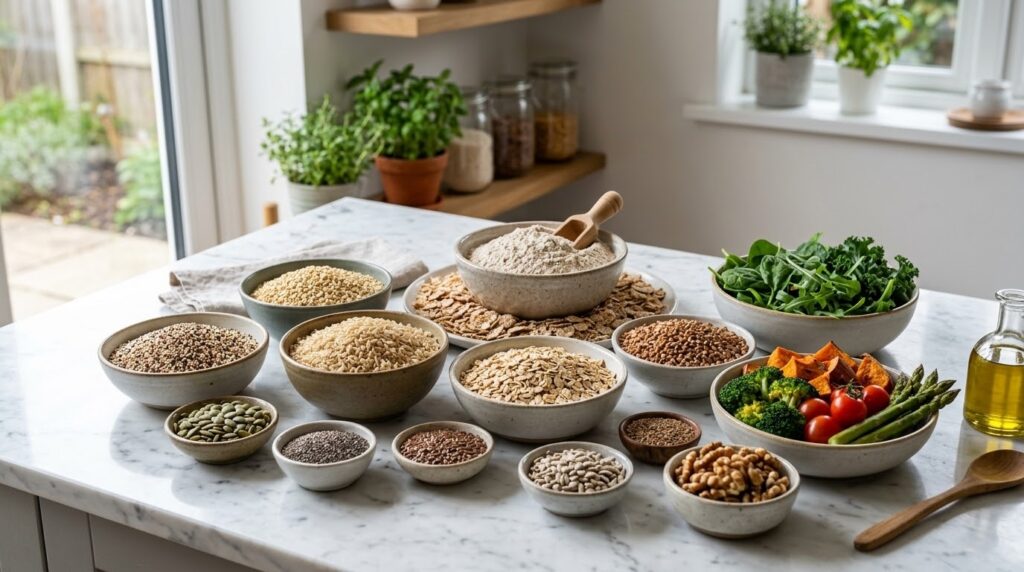
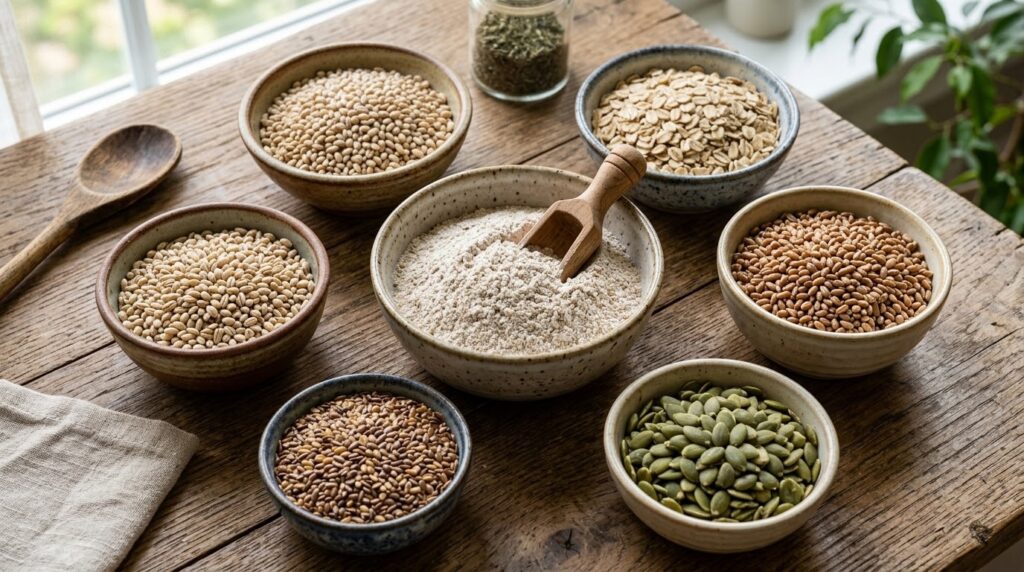
Multigrain Flour typically contains a combination of whole grains that provide more fiber than refined flour.
Fiber helps slow carbohydrate absorption, which may support steadier blood sugar levels.
Whole grains also contain nutrients such as magnesium and zinc that play roles in metabolic processes.
Including whole grains as part of a balanced diet may help support:
• improved digestion
• longer-lasting satiety
• more gradual energy release
The Role of Seeds in Hormone-Supportive Diets
Certain seeds are often included in balanced diets due to their nutritional profile.
For example:
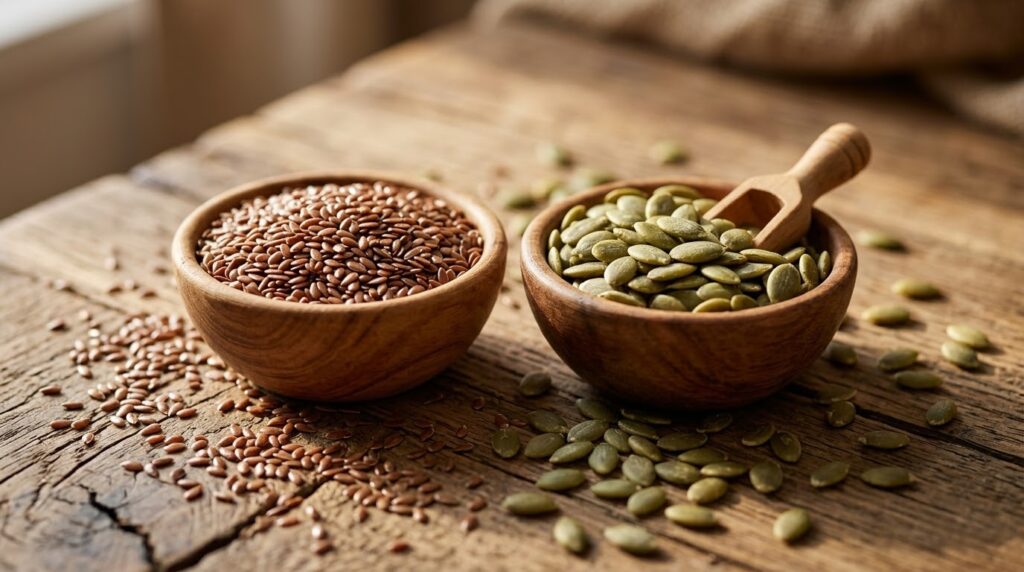
Flax Seeds
Flax Seeds are rich in fiber and plant compounds called lignans. These compounds have been studied for their potential role in supporting hormonal balance.
Pumpkin Seeds
Pumpkin Seeds contain zinc and magnesium, minerals involved in metabolic and hormonal functions.
Because seeds are nutrient-dense and easy to incorporate into meals, they are commonly used in healthy dietary patterns.
What Is Seed Cycling?
Seed cycling is a dietary approach in which different seeds are consumed during different phases of the menstrual cycle.
While scientific evidence on seed cycling is still developing, many nutrition professionals emphasize the nutritional benefits of seeds themselves.
Seeds provide:
• fiber
• healthy fats
• micronutrients
Including a variety of seeds in the diet may support overall nutritional balance.
Balanced Meals for PCOS-Friendly Nutrition
For individuals with PCOS, balanced meals often include:
• whole grains
• vegetables
• protein sources
• healthy fats
Combining these nutrients helps slow digestion and stabilize blood sugar levels.
Regular physical activity, sleep quality, and stress management also influence hormonal health.
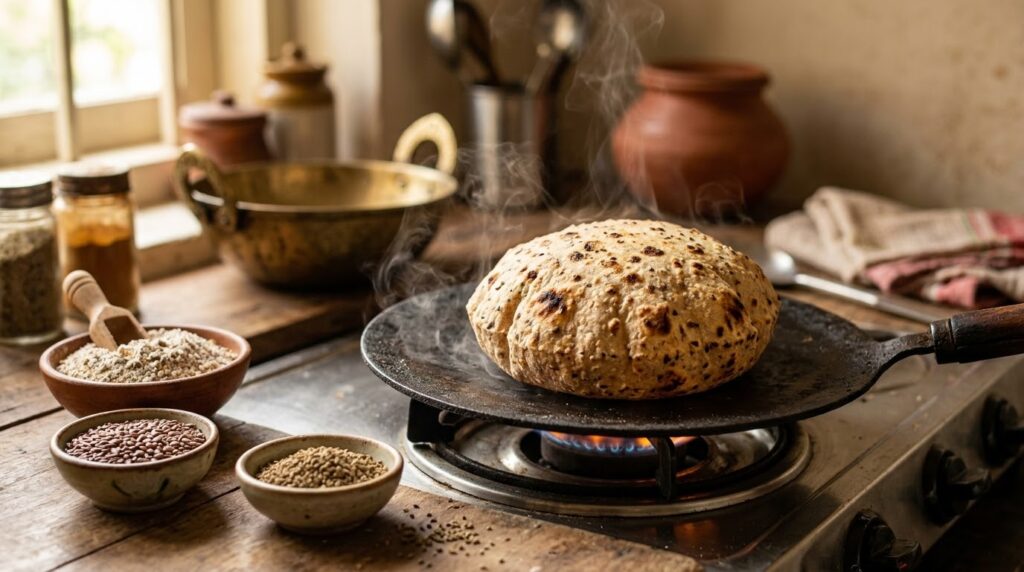
Simple Multigrain Roti Recipe
This recipe increases fiber intake while maintaining familiar flavors.
Ingredients
1 cup Organic & Pure Multigrain Flour
1 tablespoon ground Organic & Pure Flax Seeds
½ teaspoon Organic & Pure Ajwain
Warm water
Pinch of salt
Instructions
- Mix flour, flax seeds, ajwain, and salt in a bowl.
- Gradually add warm water while kneading the dough.
- Allow the dough to rest for about 10 minutes.
- Roll thin rotis and cook on medium heat.
This combination provides more fiber and nutrients compared with refined flour alone.
What Improvements Might People Notice?
When dietary patterns emphasize whole grains, fiber-rich foods, and balanced meals, individuals may experience changes such as:
• improved digestion
• more stable energy levels
• reduced hunger spikes
• gradual improvements in metabolic balance
Individual results vary, and anyone managing PCOS should consider personalized medical advice.
Final Thoughts
PCOS-related weight gain can feel challenging, but nutrition plays an important role in supporting metabolic health.
Focusing on whole grains, fiber-rich foods, seeds, and balanced meals may help reduce blood sugar fluctuations and support overall well-being.
Rather than eliminating traditional foods like roti, improving the quality of everyday ingredients may be a practical and sustainable approach.