



Why Roti Can Sometimes Make Digestion Slower
Roti is a daily staple in Pakistan. It’s simple, filling, and part of almost every meal.
But many people quietly experience the same issue:
After eating roti regularly, their digestion slows down. Bowel movements become irregular. The stomach feels heavy.
If you’re dealing with constipation after roti, the issue is usually not roti itself.
It’s how the flour is processed—and how much fiber your diet actually contains.
The Real Cause: Low Fiber Diet
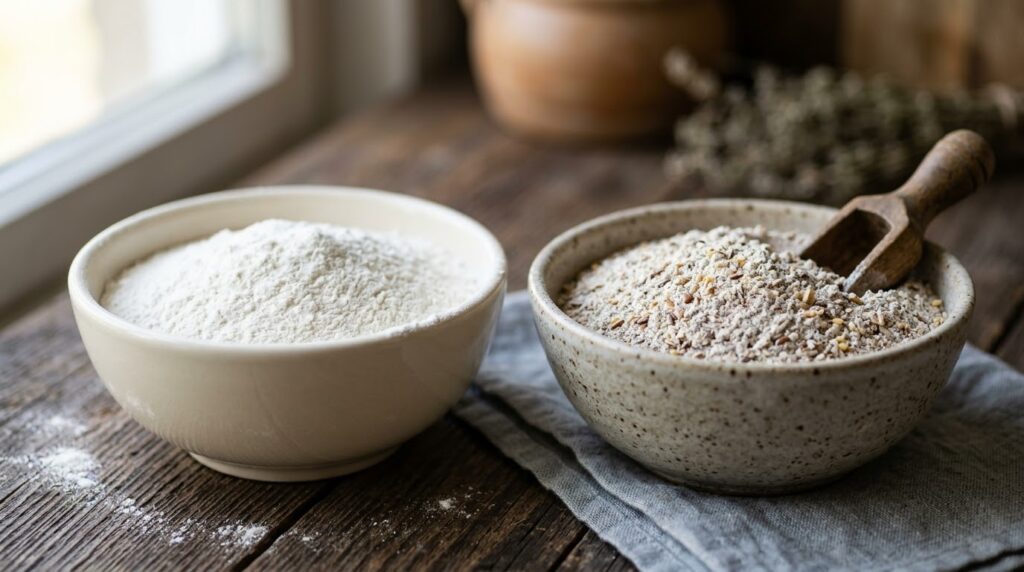
Traditional whole wheat naturally contains fiber from the bran layer.
But modern flour processing often removes or reduces this layer.
When fiber is low:
• stool becomes harder
• digestion slows
• bowel movements become irregular
• gut bacteria receive less nourishment
This is one of the most common low fiber diet problems in Pakistan today.
Most meals are carb-heavy—but not fiber-rich.
What Happens Inside Your Gut
When you eat low-fiber foods regularly:
1. Slower Intestinal Movement
Fiber adds bulk to stool and helps move it through the digestive system.
Without it, movement becomes slow and inefficient.
2. Poor Gut Bacteria Support
Your gut bacteria rely on fiber as fuel.
When fiber is low:
• beneficial bacteria decrease
• digestion becomes inefficient
• bloating and constipation increase
3. Water Absorption Increases
Low-fiber diets cause the colon to absorb more water from waste.
This leads to dry, hard stools.
Why This Is Common in Pakistan
Many daily meals include:
• refined atta
• low vegetable intake
• low seed consumption
• limited hydration
This combination creates the perfect environment for digestive issues in Pakistan, especially constipation.
The Smart Fix: Increase Fiber Through Daily Staples
You don’t need extreme changes.
You need smarter daily ingredients.
Start with Flour
Switch to:
Organic & Pure Multigrain Flour
Provides higher fiber and improves digestion naturally.
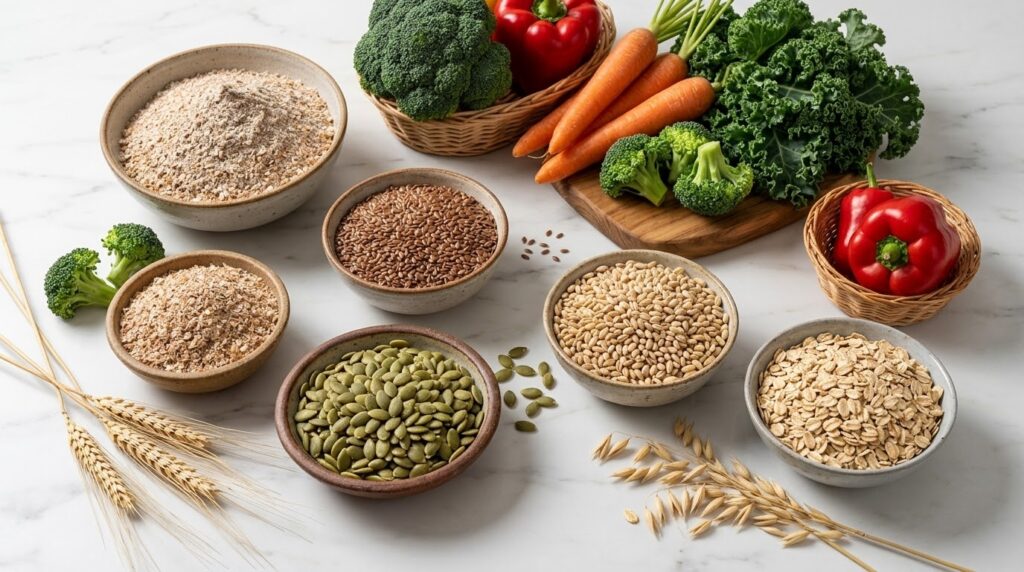
Add Fiber-Rich Seeds
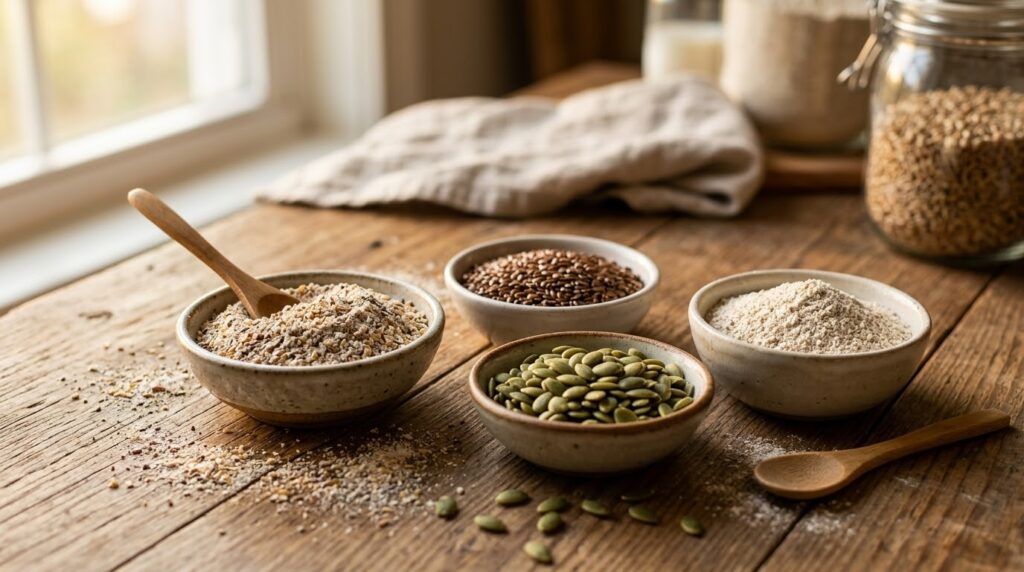
Organic & Pure Flax Seeds
Rich in soluble fiber—helps soften stool.
Organic & Pure Pumpkin Seeds
Support gut health and add nutrients.
Improve Grain Variety
Organic & Pure Barley Flour
Contains beta-glucan—supports digestion and stool movement.
Support Hormonal & Digestive Balance
Organic & Pure P.C.O.S Seeds Bundle
Helps women experiencing digestion issues linked to hormones.
Research Insight: Fiber and Bowel Health
Studies show that adequate fiber intake:
• improves stool consistency
• increases bowel movement frequency
• supports gut microbiome diversity
The World Health Organization recommends increasing fiber intake as a first-line approach for mild constipation.
Whole grains and seeds are among the most effective natural sources.
Simple Daily Routine to Fix Constipation
Morning:
• Warm water
• 1 tablespoon Organic & Pure Flax Seeds
Lunch:
• 1–2 rotis made with Organic & Pure Multigrain Flour
• Add vegetables + protein
Evening:
• Handful of Organic & Pure Pumpkin Seeds
Daily habits:
• Drink 2–3 liters water
• Walk 15–20 minutes
• Eat at consistent times
Small changes = big digestive improvements.
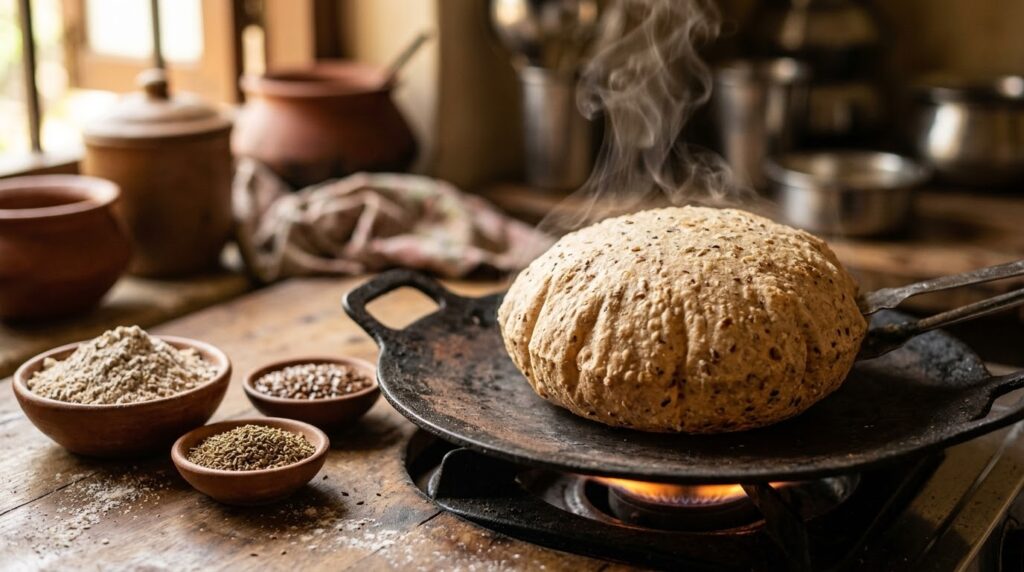
Quick Digestive-Friendly Multigrain Roti Recipe
Anti-Constipation Roti
Ingredients:
- 1 cup Organic & Pure Multigrain Flour
- 1 tablespoon ground Organic & Pure Flax Seeds
- ½ teaspoon Organic & Pure Ajwain
- Warm water
Method:
- Mix all ingredients.
- Knead soft dough.
- Rest for 10 minutes.
- Cook on medium heat.
This increases fiber and supports smoother digestion.
What Changes You’ll Notice
Within 3–5 days:
• easier bowel movement
• less heaviness
Within 1–2 weeks:
• improved digestion
• reduced bloating
Within 3–4 weeks:
• stable gut rhythm
• better overall comfort
When Should You Be Concerned?
If constipation is:
• severe
• long-lasting
• painful
• or associated with other symptoms
You should consult a medical professional.
This guide supports mild, lifestyle-related constipation—not medical conditions.
Final Thoughts
Constipation after roti isn’t about tradition.
It’s about fiber.
Your body isn’t struggling with roti—it’s struggling with low-quality flour and low fiber intake.
Start with simple upgrades:
- Organic & Pure Multigrain Flour
- Organic & Pure Flax Seeds
- Organic & Pure Pumpkin Seeds
- Organic & Pure Barley Flour
- Organic & Pure P.C.O.S Seeds Bundle
Fix your fiber—and your gut will fix itself.