


Understanding the Symptoms of PCOS and Why They Happen
Polycystic Ovary Syndrome (PCOS) shows up differently for every woman, but one thing remains the same — its symptoms come from deep hormonal imbalances. You may notice irregular periods, acne, weight gain, bloating, mood swings, fatigue, or hair changes, and wonder why the body feels out of sync.
The truth is, PCOS symptoms are driven by insulin resistance, high androgens, inflammation, and low progesterone, all of which influence how your body looks, feels, and functions every day.
The good news? These symptoms can be managed naturally. With consistent daily habits — especially nutrition — you can reduce inflammation, regulate hormones, and ease the symptoms that disrupt your life.
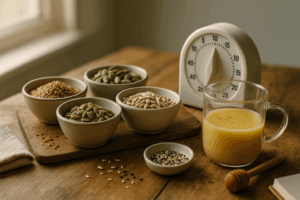
At Organic and Pure, we support women with foods and remedies like Flax Seeds, Pumpkin Seeds, and Glow & Balance Seed Mix that help balance hormones and ease PCOS symptoms from the inside out.
Top 6 PCOS Symptoms and Why They Happen
- Irregular Periods: Caused by disrupted ovulation and low progesterone.
- Acne and Oily Skin: High androgen levels overstimulate oil glands.
- Hair Loss or Hair Thinning: Androgens shrink hair follicles.
- Unwanted Hair Growth: Excess testosterone increases facial/body hair.
- Weight Gain and Bloating: Insulin resistance slows metabolism and increases inflammation.
- Mood Swings and Fatigue: Low progesterone and high cortisol affect emotional balance.
Understanding these root causes helps you choose remedies that restore hormonal harmony — not just mask the symptoms.
How PCOS Symptoms Affect Women’s Health
PCOS symptoms can impact every part of your wellbeing — from your skin and hair to your digestion, mood, and metabolism. Over time, unmanaged symptoms can lead to insulin resistance, high cholesterol, irregular cycles, fertility challenges, and chronic inflammation.
But with the right natural approach, these symptoms can be reduced. Foods rich in fiber, omega-3s, zinc, magnesium, and antioxidants — like Organic and Pure Flax Seeds, Pumpkin Seeds, Sunflower Seeds, and Glow & Balance Seed Mix — help lower inflammation, regulate hormones, and support the body’s natural rhythm.
Natural Remedies to Manage PCOS Symptoms
1. Balance Blood Sugar to Reduce Most Symptoms
Stable blood sugar reduces acne, cravings, irritability, and irregular periods.
- Focus on low-GI foods like oats, quinoa, lentils, and vegetables.
- Combine protein, fiber, and healthy fats at every meal.
- Avoid sugar, bakery items, and processed snacks.
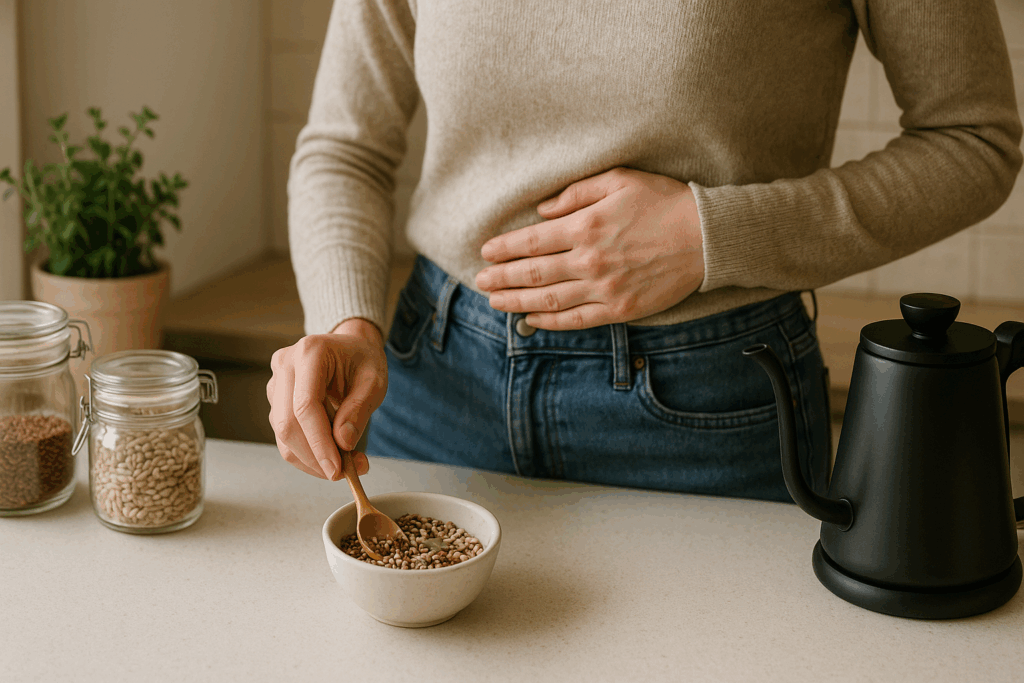
- Morning Start: 1 tbsp Flax Seeds in warm water to support digestion and hormones.
2. Reduce Inflammation for Better Skin, Energy, and Cycles
Inflammation triggers bloating, acne, cramps, fatigue, and mood swings.
Include:
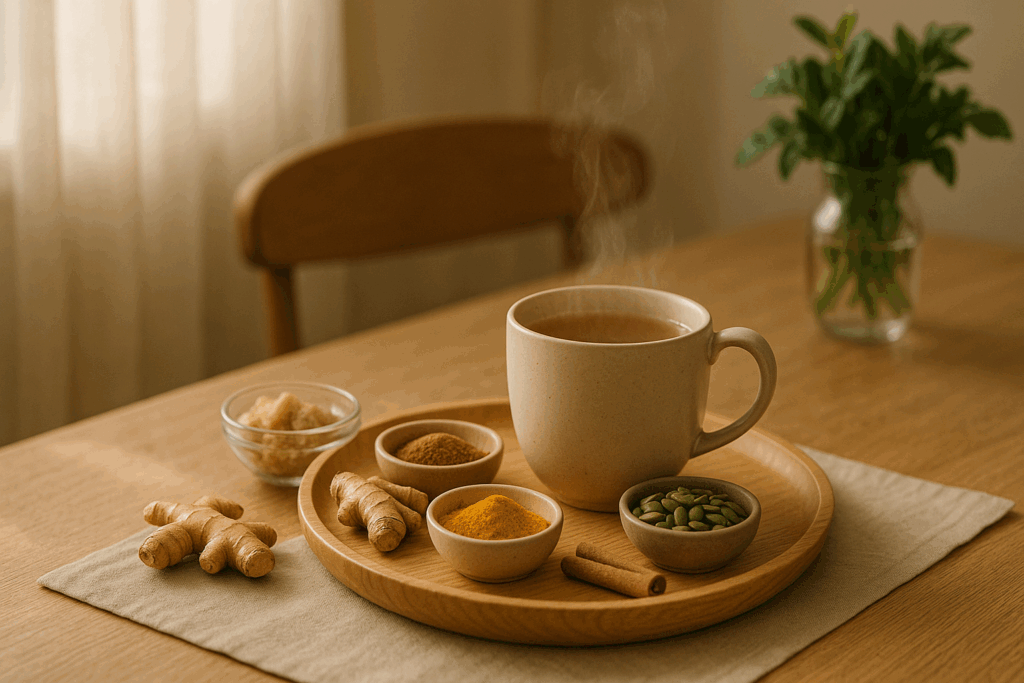
- Turmeric, ginger, cinnamon
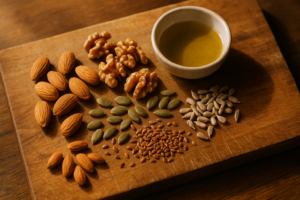
- Walnuts, almonds, pumpkin seeds
- Berries, leafy greens
Consistent anti-inflammatory eating reduces both physical and emotional symptoms.
3. Support Hormones with Seed Cycling
Seed cycling helps regulate estrogen and progesterone naturally.
- Days 1–14: 1 tbsp flax + 1 tbsp pumpkin seeds
- Days 15–28: 1 tbsp sesame + 1 tbsp sunflower seeds
To simplify the routine, use Glow & Balance Seed Mix, designed for daily hormone support.
4. Restore Gut Health to Ease Bloating and Acne
A healthy gut helps eliminate excess hormones.
- Eat probiotics (yogurt, kefir, kimchi)
- Add prebiotics (onions, garlic, oats)
- Drink 2–3 liters of water daily
Better digestion means fewer PCOS symptoms and better energy.
5. Manage Stress to Balance Cortisol and Mood
High cortisol worsens acne, cravings, irregular cycles, and weight gain.
- Try deep breathing, journaling, or slow evening walks.
- Limit caffeine and screen exposure at night.
- Sleep 7–9 hours to reset hormones.
- Night Remedy: Warm saffron milk for calming and hormonal balance.
6. Natural Supplements for PCOS Symptom Support
(Check with your healthcare provider before starting.)
- Inositol: Improves ovulation and reduces high androgens.
- Zinc: Reduces acne and boosts progesterone.
- Magnesium: Supports stress, sleep, and blood sugar control.
- Omega-3s: Reduce inflammation and support metabolism.
- Vitamin D: Essential for regular cycles.
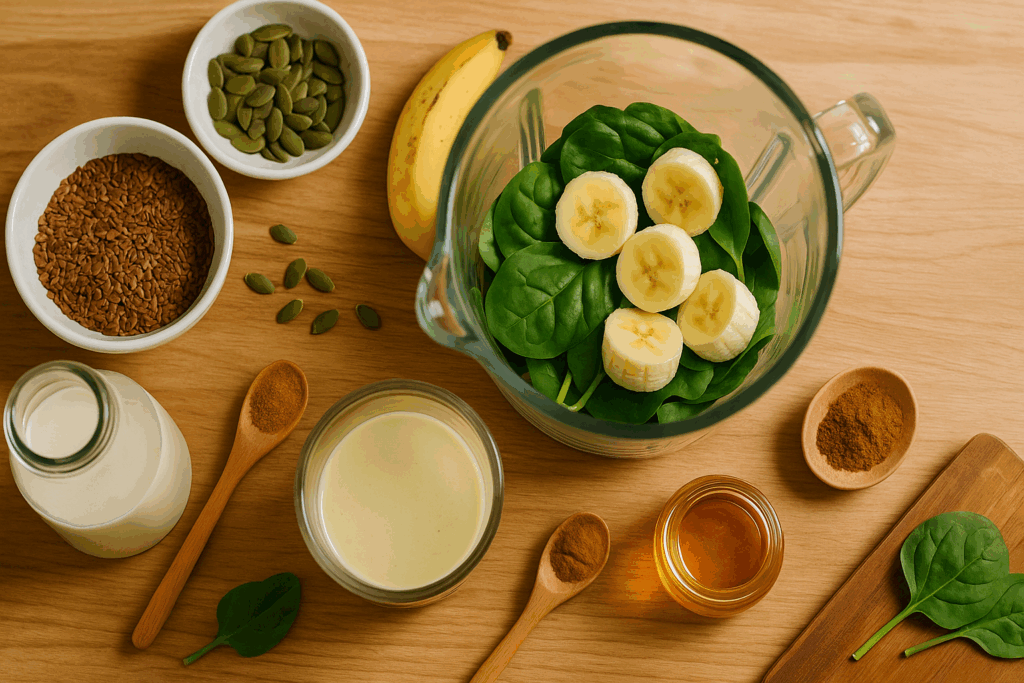
Quick & Easy Recipe: PCOS Symptom Relief Smoothie
Ingredients:
- 1 cup almond milk
- 1 tbsp Organic Flax Seeds
- 1 tbsp Pumpkin Seeds
- ½ banana
- ½ cup spinach
- 1 tsp honey
- ¼ tsp cinnamon
Instructions:
Blend until creamy.
This smoothie supports hormone balance, reduces inflammation, eases bloating, and boosts energy.
Tips for Managing PCOS Symptoms Long-Term
- Eat every 3–4 hours to avoid blood sugar crashes.
- Avoid extreme dieting — it disrupts hormones further.
- Move daily: strength training + low-impact cardio works best.
- Sleep consistently for hormonal recovery.
- Track your cycle to understand patterns and triggers.
FAQs
Q: Why are PCOS symptoms so unpredictable?
Because PCOS affects multiple hormones at once — estrogen, progesterone, insulin, and testosterone.
Q: Can natural remedies really help PCOS symptoms?
Yes. Lifestyle and nutrition changes have a major impact on inflammation, mood, acne, bloating, and cycle regularity.
Q: Does seed cycling work for PCOS symptoms?
Yes. It supports estrogen and progesterone naturally, reducing PMS, breakouts, and irregular cycles.
Q: How long until symptoms improve?
Most women notice improvement in 6–12 weeks with consistent habits.
Q: Can diet alone reduce symptoms?
For many women, yes — especially when combined with stress management and proper sleep.
Explore More Products from Organic and Pure
Support your PCOS symptoms naturally with:
- Glow & Balance Seed Mix – Daily seed cycling for hormone balance.
- Organic Flax Seeds – Fiber and omega-3s for digestion and inflammation.
- Organic Pumpkin Seeds – Zinc and magnesium to regulate androgens.
- Organic Sunflower Seeds – Vitamin E for skin and emotional balance.
- Organic Honey – A natural, antioxidant-rich sweetener.

Final Thoughts: Understand Your Symptoms, Reclaim Your Balance
PCOS symptoms can feel overwhelming, but they’re not permanent. By focusing on blood sugar stability, anti-inflammatory foods, stress control, and hormone-supportive nutrition, you can ease symptoms and restore your body’s natural rhythm.
With Organic and Pure’s superfoods, managing PCOS symptoms becomes simpler and more sustainable — one small daily habit at a time.