



The Tiny Seed That Feeds Your Glow
If you’re searching for a natural way to achieve healthy, radiant skin, look no further than sunflower seeds. These tiny, nutty-tasting seeds are packed with essential nutrients that work from the inside out — boosting your skin’s glow, protecting it from dryness, and nourishing your body with vitamins, minerals, and antioxidants.
In fact, sunflower seeds are one of the richest natural sources of vitamin E, a skin-protective nutrient that shields against oxidative stress and premature aging. Whether sprinkled over salads, blended into smoothies, or eaten as a crunchy snack, they make a simple but powerful addition to your beauty and wellness routine.
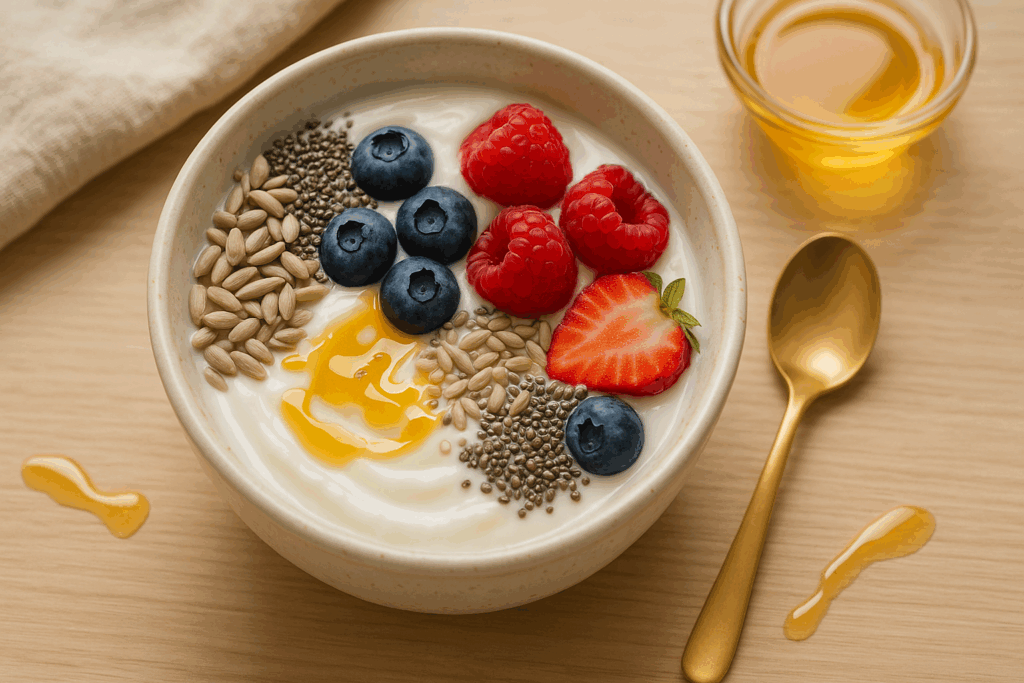
Top 6 Health Benefits of Sunflower Seeds for Skin Glow and Overall Health
- Nourish skin from within with vitamin E and healthy fats
- Support collagen production and skin elasticity
- Protect against UV and pollution-related damage
- Enhance immune function for clear, healthy skin
- Promote hormonal balance and smooth energy levels
- Improve digestion and nutrient absorption
Why Sunflower Seeds Are a Natural Skin Superfood
The secret behind sunflower seeds’ glow-enhancing power lies in their combination of antioxidants, fatty acids, and minerals. Vitamin E is a potent antioxidant that fights free radicals — unstable molecules that cause cell damage and dull skin. These seeds also provide selenium, which supports skin repair and radiance, and zinc, which helps regulate oil production and prevent breakouts.
Together, these nutrients work synergistically to keep your skin soft, youthful, and hydrated, even in harsh winter conditions when dryness and dullness are common.
Nutritional Composition of Sunflower Seeds (per 28g / about ¼ cup)
- Calories: 165
- Protein: 5.5g
- Fat: 14g (mostly polyunsaturated and monounsaturated)
- Vitamin E: 10mg (49% Daily Value)
- Selenium: 20mcg (35% DV)
- Magnesium: 90mg
- Zinc: 1.5mg
- Fiber: 3g
- Iron: 1.3mg
- Antioxidants: phenolic acids, flavonoids, chlorogenic acid
This nutrient density makes sunflower seeds not just a beauty booster, but a complete food for energy, heart health, and hormonal balance.
Sunflower Seeds and Women’s Skin & Hormonal Health
Women’s skin health is closely tied to hormones — particularly estrogen and cortisol. Stress, fatigue, or hormonal imbalances can quickly reflect on your face in the form of dullness, acne, or dehydration.
Sunflower seeds help by:
- Supporting estrogen balance through plant lignans
- Reducing inflammation that leads to redness and irritation
- Providing magnesium to calm the nervous system and improve sleep
- Stabilizing hormones with healthy fats and trace minerals
- Hydrating from within, helping skin retain moisture naturally
Regular consumption can bring noticeable improvements in both skin radiance and overall hormonal harmony.
Daily Use: How to Add Sunflower Seeds to Your Diet
Suggested Daily Intake:
1–2 tablespoons per day
Best Times to Eat:
- Morning: Blend into smoothies or sprinkle on oatmeal
- Afternoon: Add to salads or trail mix for a midday glow-up snack
- Evening: Use in soups, roasted veggies, or homemade granola
Raw vs. Roasted:
- Raw: Retains maximum nutrients and vitamin E
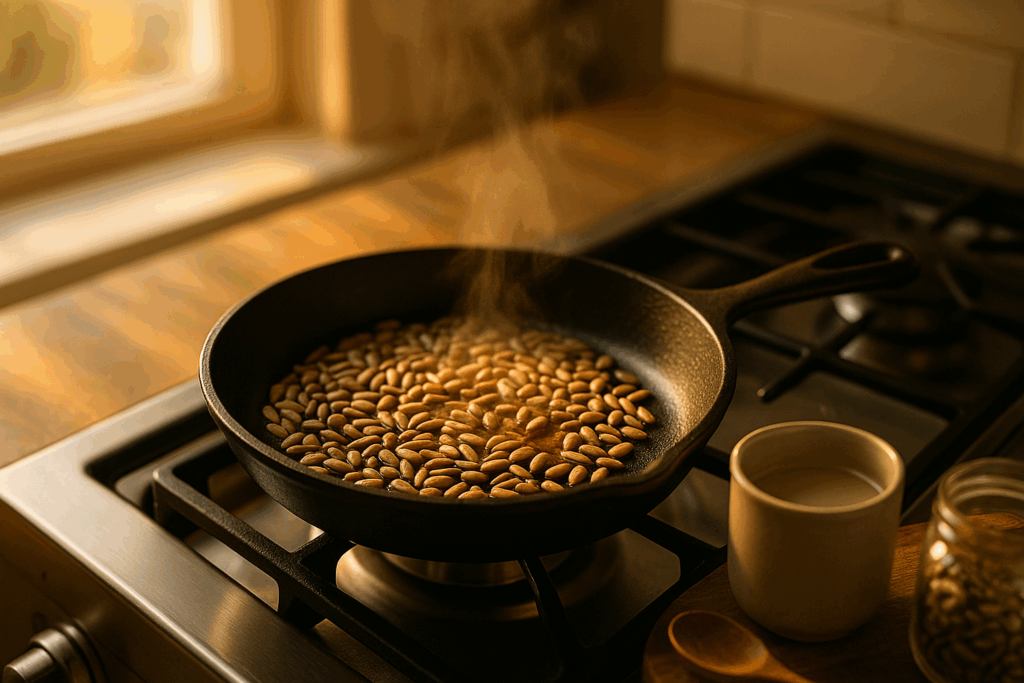
- Lightly roasted: Enhances flavor — roast at low heat to avoid damaging oils
- Soaked: Easier to digest and helps activate enzymes
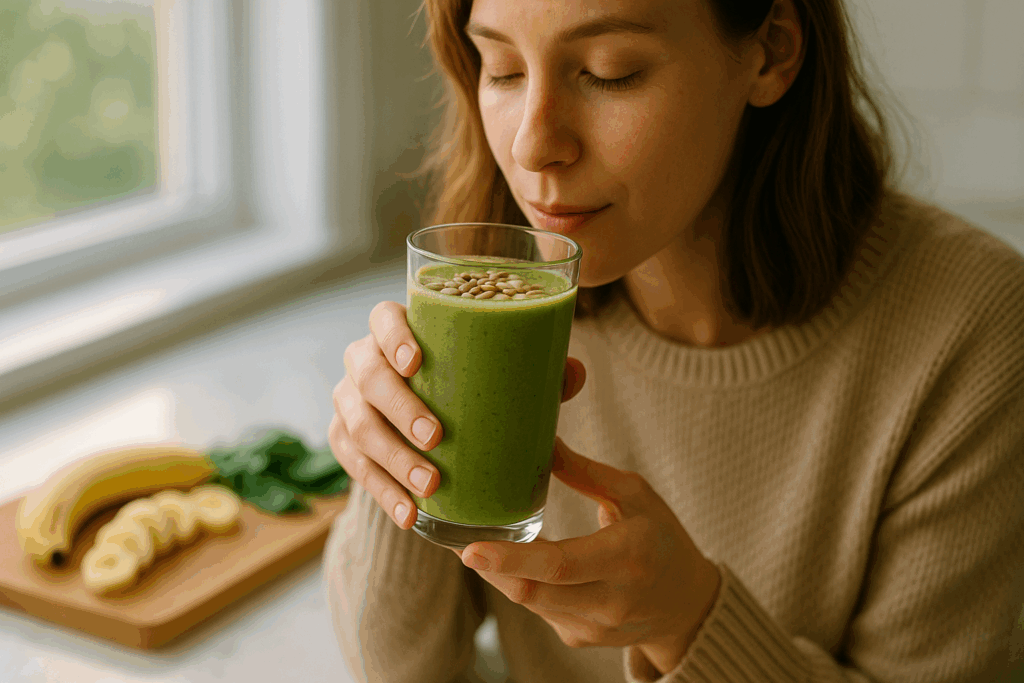
Quick & Easy Recipe: Sunflower Glow Smoothie
Ingredients:
- 1 tbsp sunflower seeds (raw or soaked overnight)
- 1 banana
- ½ cup spinach or kale
- ½ cup almond milk
- 1 tsp honey
- 1 tsp chia seeds
- Ice cubes (optional)
Instructions:
Blend all ingredients until smooth. Drink in the morning for a vitamin E boost that supports glowing skin, steady energy, and clear focus throughout the day.
Tips for Buying and Storing Sunflower Seeds
- Buy raw, unsalted sunflower seeds to avoid excess sodium
- Look for organic and non-GMO varieties for purity
- Store in airtight glass jars in a cool, dark place
- Refrigerate or freeze for long-term freshness (natural oils can turn rancid)
- Avoid flavored or coated versions — stick with pure seeds for full benefits
FAQs
Q: Are sunflower seeds good for glowing skin?
Yes! They’re one of the best sources of vitamin E and selenium — both protect and repair skin for a natural glow.
Q: How many sunflower seeds should I eat daily?
1–2 tablespoons per day are sufficient for skin and hormonal benefits.
Q: Can sunflower seeds help with acne?
Yes. Zinc and antioxidants in sunflower seeds help control oil production and fight acne-causing bacteria.
Q: Should I eat sunflower seeds raw or roasted?
Raw or lightly roasted is best. Avoid deep-fried or flavored seeds that lose nutrients.
Q: Can sunflower seeds help with stress and hormones?
Absolutely. They contain magnesium and healthy fats that regulate mood, reduce stress, and support hormonal balance.
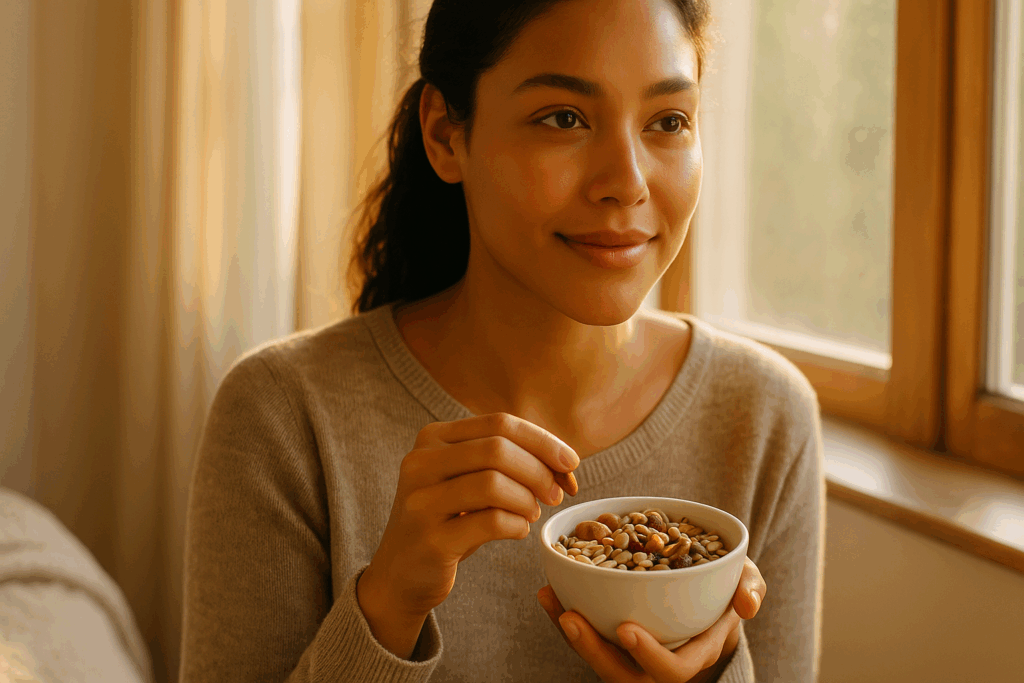
Final Thoughts: Feed Your Glow from Within
Sunflower seeds prove that beauty truly starts from the inside. With their rich blend of vitamin E, zinc, selenium, and healthy fats, they protect your skin against environmental stress, promote radiance, and keep you feeling strong through the winter.
A spoonful of sunflower seeds a day — in smoothies, salads, or snacks — can transform your skin health naturally. Think of them as your daily edible skincare ritual — simple, nourishing, and glow-worthy.