

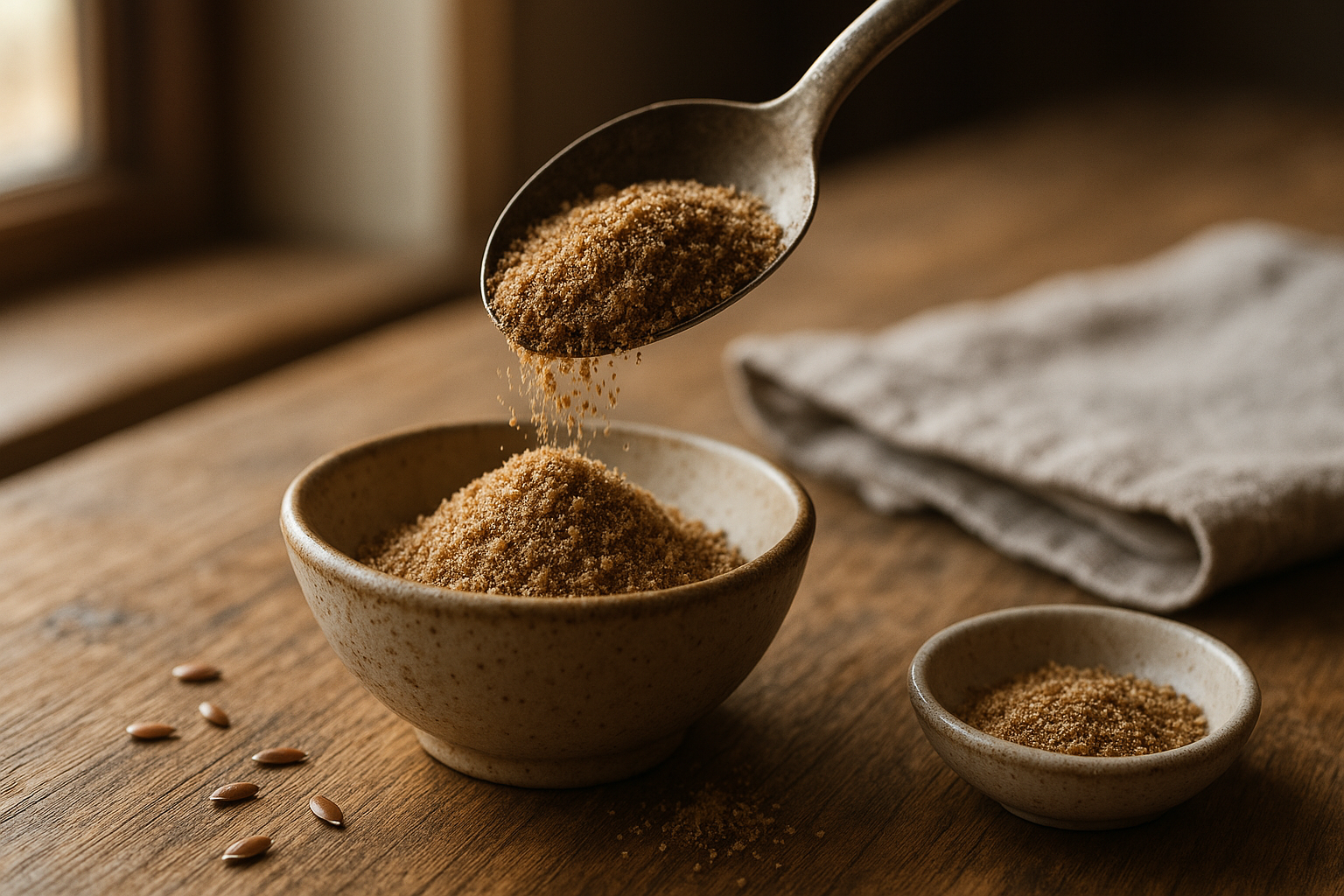

Why Flax Seeds Deserve a Daily Spot on Your Plate
Flax seeds may be small, but their benefits are massive — especially when it comes to digestion, hormone health, and overall wellness. These tiny brown or golden seeds are packed with fiber, omega-3 fatty acids, and lignans — a trio that supports a healthy gut, balances hormones, and reduces inflammation.
For women looking to naturally manage digestion, bloating, and hormonal imbalances, flax seeds are a simple, affordable, and versatile addition to your daily routine.
Let’s explore why flax seeds should become a staple in your wellness journey.
Top 6 Benefits of Flax Seeds for Digestion and Beyond
- Relieve constipation and promote regular bowel movements
- Feed healthy gut bacteria with prebiotic fiber
- Reduce bloating and digestive discomfort
- Support liver detox and hormone metabolism
- Provide plant-based omega-3s for anti-inflammatory gut health
- Balance estrogen levels naturally through lignans
Why Flax Seeds Improve Digestion
Flax seeds are one of the best natural sources of soluble and insoluble fiber. This combination works in two ways:
- Insoluble fiber adds bulk to your stool and speeds up elimination, helping with constipation
- Soluble fiber turns into a gel-like substance in the gut, soothing digestion and feeding good bacteria
This dual action helps cleanse your digestive tract, regulate bowel movements, and maintain a healthy gut microbiome — all of which are essential for smooth digestion and radiant skin.
Nutritional Composition of Flax Seeds (per 1 tbsp ground)
- Calories: 37
- Fiber: 2g
- Omega-3 (ALA): 1.6g
- Protein: 1.3g
- Magnesium: 27mg
- Lignans: 85–300mg (phytoestrogens)
- B vitamins, phosphorus, and antioxidants
Flax seeds are nutrient-dense and calorically light, which makes them ideal for daily consumption — especially for women focused on gut health, hormonal balance, and metabolism.

Flax Seeds and Hormone Balance
One of flax seeds’ unique properties is their high lignan content — natural plant compounds that act as phytoestrogens. Lignans help balance estrogen levels by:
- Binding to estrogen receptors
- Supporting liver detox of excess estrogen
- Reducing estrogen dominance, which often causes PMS, bloating, and skin issues
Flax seeds are also a key part of seed cycling, a natural method to support hormone rhythm throughout the menstrual cycle.
Daily Use: How to Add Flax Seeds to Your Routine
Recommended Daily Intake:
- 1 to 2 tablespoons of freshly ground flax seeds
Why Ground is Better:
Whole flax seeds often pass through undigested. Grinding them helps release their nutrients and make them fully bioavailable.
Best Times to Take:
- In the morning to kick-start digestion
- Around ovulation (day 1–14) if using for seed cycling
- With meals to reduce blood sugar spikes
Quick & Easy Recipe: Flax Digestive Smoothie
Ingredients:
- 1 tbsp ground flaxseed
- ½ banana
- 1 cup almond milk
- 1 handful spinach
- 1 tsp chia seeds
- ½ tsp cinnamon
Instructions:
Blend all ingredients until smooth. Drink on an empty stomach or with breakfast to gently cleanse the gut and boost energy.

Tips for Buying and Storing Flax Seeds
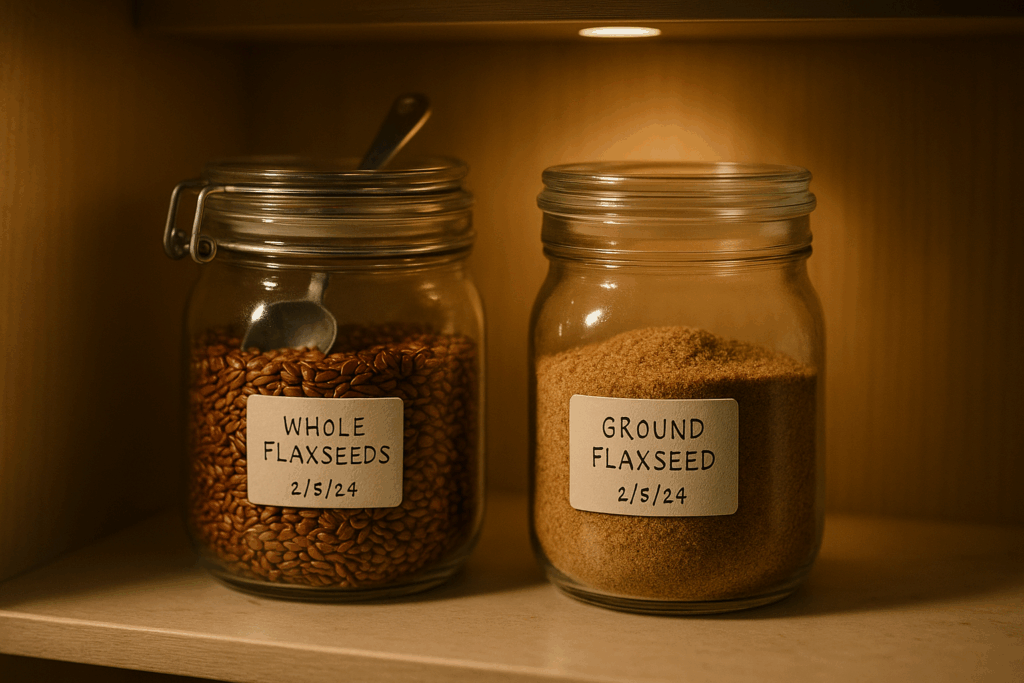
- Buy whole flax seeds and grind them at home (in small batches) for freshness
- Store ground flax seeds in an airtight jar in the refrigerator to prevent oxidation
- Avoid pre-ground flax that’s been sitting on store shelves — nutrients degrade quickly
- Add to smoothies, oatmeal, yogurt, baked goods, or salad dressings
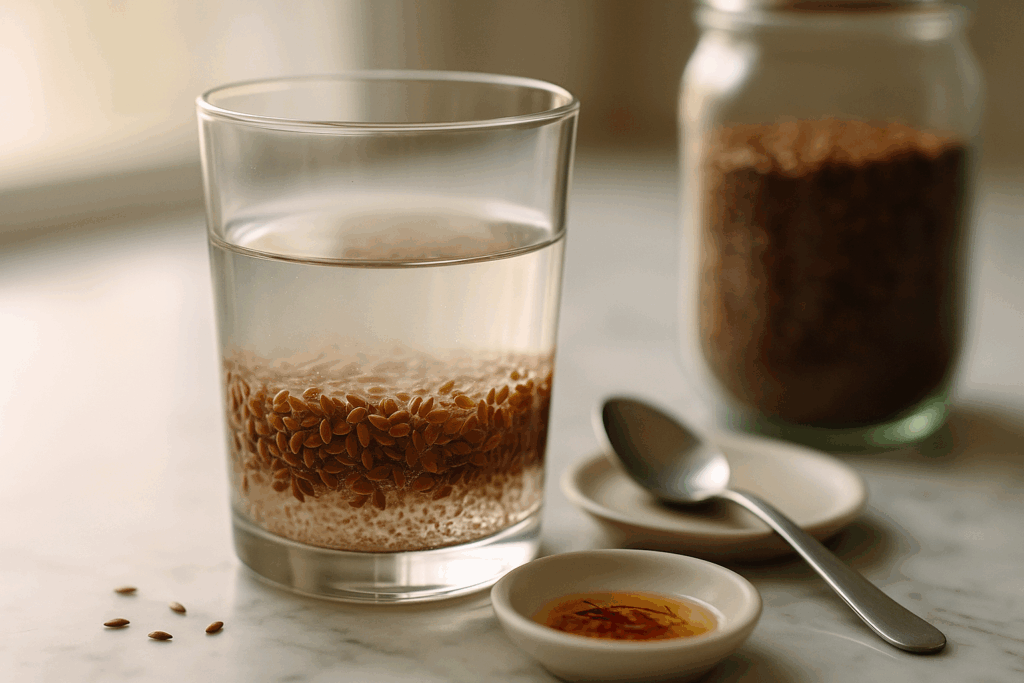
- Drink plenty of water to support fiber movement through the digestive tract
FAQs
Q: Are flax seeds good for constipation?
Yes. Their high fiber content helps bulk up stool and promote regularity, making them a natural remedy for constipation.
Q: Should I eat flax seeds raw or roasted?
Ground raw flax seeds are best. Roasting can reduce some of their delicate omega-3 oils.
Q: Can flax seeds help with bloating?
Yes. Flax seeds support healthy gut bacteria and regular elimination, both of which reduce gas and bloating.
Q: How long does it take to see digestive benefits?
Most people notice improvements within a few days to a week of daily flax seed use.
Q: Can I take flax seeds on an empty stomach?
Yes, and it’s often recommended for digestion. Just make sure to follow with water
Final Thoughts: Flax Seeds — A Simple Daily Habit for Digestive Wellness
Flax seeds are a small habit that can make a big difference. From supporting smoother digestion to balancing hormones and reducing inflammation, these seeds truly deserve their “superfood” status — especially for women seeking natural solutions to everyday health challenges.
Whether you sprinkle them into breakfast or blend them into smoothies, make flax seeds part of your daily routine. Your gut, hormones, and skin will thank you — naturally.