


Can a Spice Really Boost Fertility?
Fertility can be a sensitive and complex journey, especially for women navigating hormonal imbalances, stress, PCOS, or age-related changes. While there’s no one-size-fits-all solution, natural remedies like saffron have been trusted for centuries to support reproductive health — and modern science is beginning to validate that wisdom.
Known in South Asia as zafran, saffron is more than a luxurious culinary ingredient. It’s a potent adaptogen with antioxidant, mood-enhancing, hormone-balancing, and libido-supporting properties, all of which are essential for fertility.
Let’s explore how saffron supports fertility — and how to use it effectively in your daily routine.
Top 5 Benefits of Saffron for Fertility
- Balances reproductive hormones
- Enhances libido and sexual function
- Improves mood and reduces stress-related fertility issues
- Supports ovulation and menstrual regularity
- Reduces inflammation in the reproductive system
How Saffron Supports Fertility on a Hormonal Level
Fertility depends on a delicate interplay between hormones — and saffron helps restore balance where it’s often disrupted. Here’s how:
1. Balances Estrogen and Progesterone
Saffron has been shown to regulate hormones involved in the menstrual cycle. This is especially beneficial for women with PCOS, luteal phase defects, or estrogen dominance, which can disrupt ovulation and implantation.
2. Improves Libido and Sexual Health
Low libido can be both a symptom and a cause of fertility struggles. Saffron increases blood flow, enhances arousal, and reduces sexual dysfunction — naturally and without side effects.
3. Reduces Cortisol and Supports Relaxation
High cortisol (the stress hormone) interferes with reproductive hormone production. Saffron helps reduce cortisol and increase serotonin, which supports regular cycles, ovulation, and implantation.
Nutritional Composition of Saffron (per 1g)
- Crocin: antioxidant, anti-inflammatory
- Safranal: mood booster and sedative
- Picrocrocin: contributes to flavor and digestion
- Vitamin B6: supports hormonal function
- Potassium and magnesium: support reproductive health
Just a small amount of saffron delivers a powerful blend of bioactive compounds that support hormonal and reproductive health from multiple angles.
Saffron for Women With PCOS or Irregular Cycles
Women with PCOS often face:
- Irregular or absent ovulation
- High androgens
- Mood swings or anxiety
- Insulin resistance
Saffron can help by:
- Reducing testosterone levels
- Improving insulin sensitivity
- Promoting ovulation
- Stabilizing mood and sleep, which affect hormonal rhythm
Its calming effects also improve sleep quality — another crucial factor in restoring fertility.
Daily Use: How to Take Saffron for Fertility
Consistency is key — saffron works best when used daily over several weeks.
Recommended Dosage:
- 30–50 mg/day, or 2–4 high-quality saffron strands
Best Times to Take:
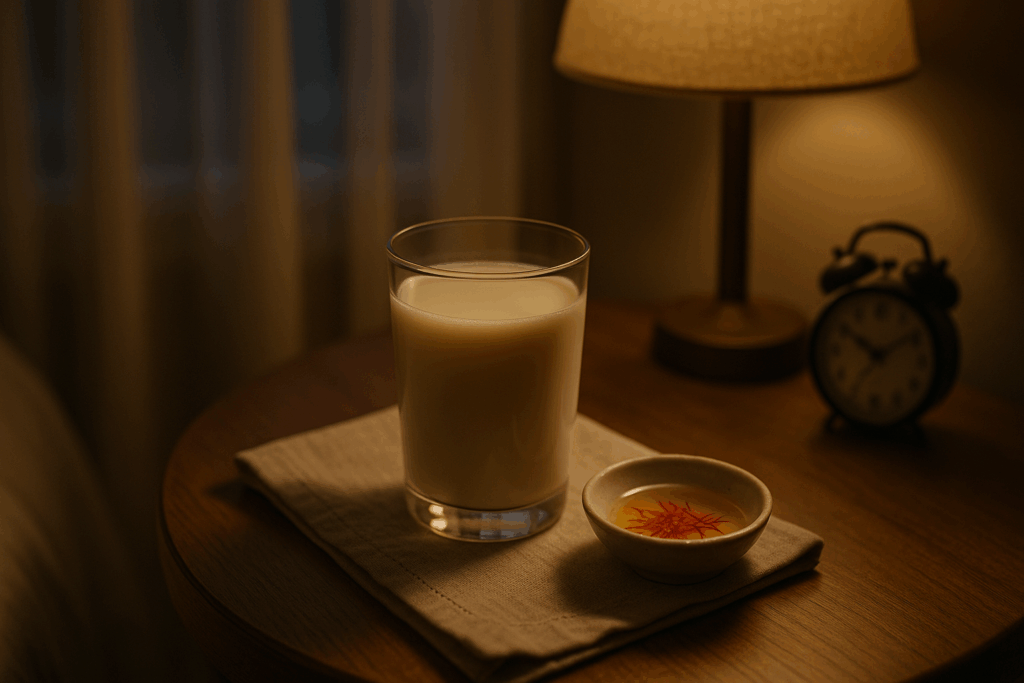
- In the evening (to calm the nervous system)
- Around ovulation or throughout the luteal phase
Quick & Easy Recipe: Saffron Fertility Tonic
Ingredients:
- 1 cup warm almond or cow’s milk
- 3–4 saffron strands
- 1 tsp raw honey (optional)
- Pinch of cardamom (optional)
Instructions:
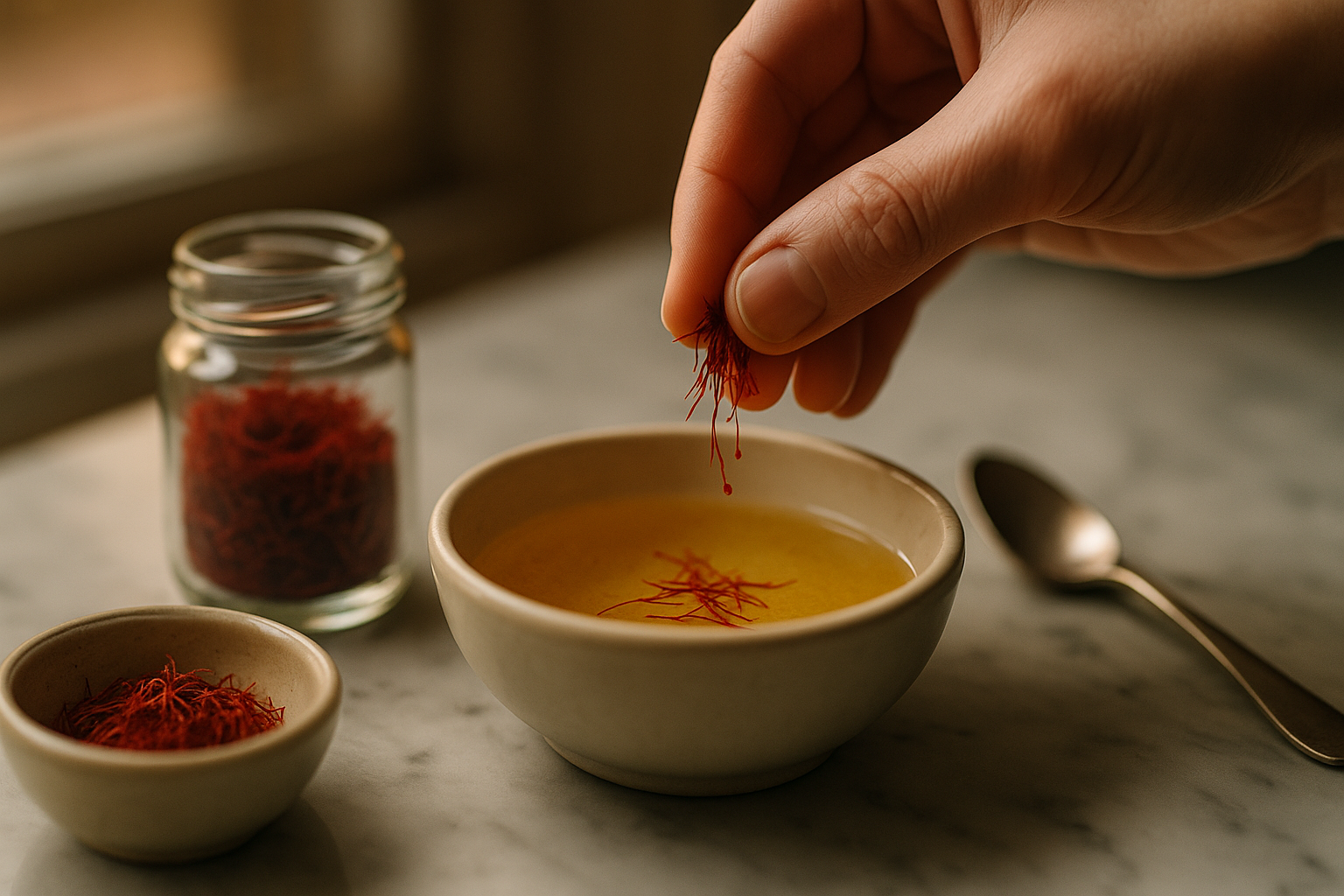
Soak saffron strands in a tablespoon of warm water for 10 minutes. Add to warm milk, stir in honey, and sip 1 hour before bed. Drink daily during your cycle for hormonal and fertility support.

Tips for Buying and Using Saffron
- Choose deep red threads (not yellow or powdered)
- Buy from reputable sources to ensure purity
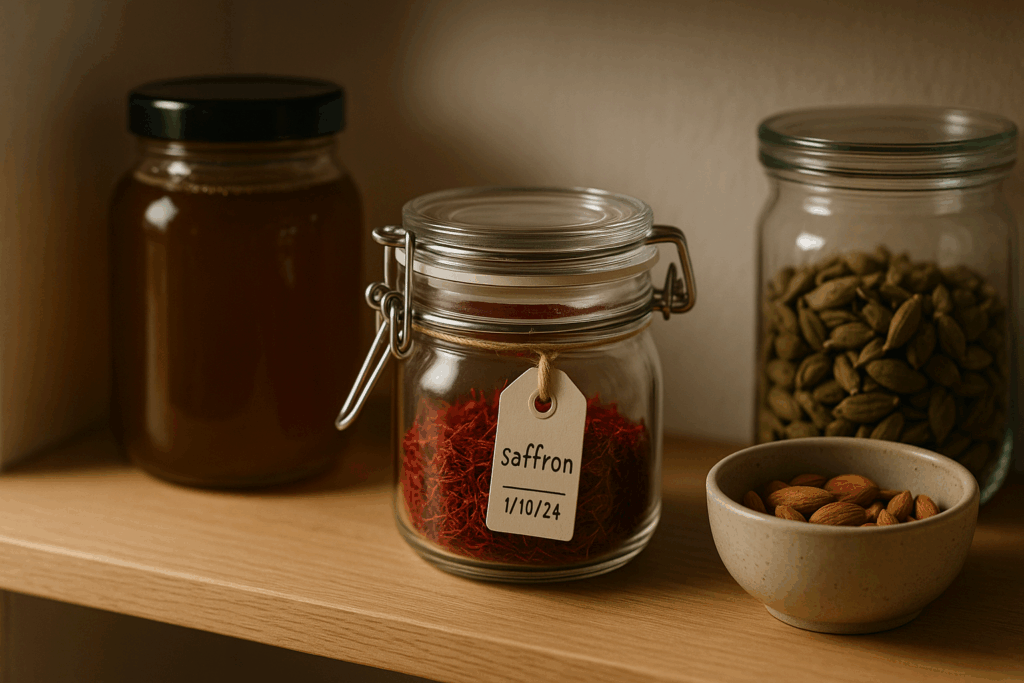
- Store in an airtight glass container in a dark place
- Avoid excessive heat while preparing
- Always soak strands before use to activate compounds
FAQs
Q: Can saffron really improve fertility?
Saffron supports hormonal balance, reduces stress, and improves reproductive function — all of which contribute to improved fertility, especially when combined with lifestyle and dietary changes.
Q: How long should I use saffron before expecting results?
Give it 6–12 weeks of consistent daily use. Effects are cumulative, especially for hormone regulation.
Q: Is saffron safe during fertility treatments or IUI/IVF?
Generally, yes — but always consult your doctor or fertility specialist before combining herbs with medical treatments.
Q: Can men also benefit from saffron for fertility?
Yes. Saffron can improve sperm motility, count, and libido in men. It’s a powerful natural remedy for both partners.
Q: Should I take saffron every day or only during certain phases?
Daily use is safe in small amounts, but it can also be targeted during your luteal phase (post-ovulation) to support implantation and progesterone.
Final Thoughts: Fertility Begins with Balance
Saffron is more than a luxury spice — it’s a powerful, time-tested ally for women’s reproductive health. Whether you’re trying to conceive naturally, managing PCOS, or looking for hormone support during your cycle, saffron offers gentle, natural nourishment that works with your body — not against it.
Start simple. A few strands a day. A calming ritual. A commitment to honoring your body’s rhythms. Your fertility journey deserves support that’s rooted in both tradition and science — and saffron delivers exactly that.