

Why Diet is Key in Managing PCOS Naturally
Polycystic Ovary Syndrome (PCOS) affects up to 1 in 10 women globally and shows up in many different ways — irregular periods, weight gain, acne, hair growth, infertility, or fatigue. While medical treatments may help manage symptoms, the foundation of PCOS recovery lies in your daily diet.
That’s because PCOS is deeply connected to insulin resistance, chronic inflammation, and hormone imbalances — all of which can be improved through strategic food choices. The right diet doesn’t just manage PCOS — it empowers your body to heal from within.
This article offers a detailed guide to managing PCOS with diet — including what to eat, what to avoid, how to build balanced meals, and natural remedies that support your hormonal health.
Understanding the PCOS-Diet Connection
Most women with PCOS struggle with insulin resistance, a condition where the body doesn’t respond well to insulin — leading to increased blood sugar levels, weight gain, and disrupted hormones.
A poor diet can make this worse, while a balanced, anti-inflammatory diet helps:
- Improve insulin sensitivity
- Regulate ovulation and menstrual cycles
- Reduce testosterone levels
- Manage weight naturally
- Improve skin, mood, and energy
Food is not just fuel — for women with PCOS, it’s medicine.
Top 6 PCOS-Friendly Diet Benefits
- Regulates insulin and blood sugar levels
- Supports natural hormone balance and ovulation
- Promotes sustainable weight loss without crash diets
- Reduces inflammation and oxidative stress
- Improves gut health, which supports estrogen detox
- Enhances fertility and reproductive health
The Ideal PCOS Diet: What to Eat
Focus on whole, unprocessed, fiber-rich foods that stabilize blood sugar and support hormone function.
✅ Best Foods for PCOS
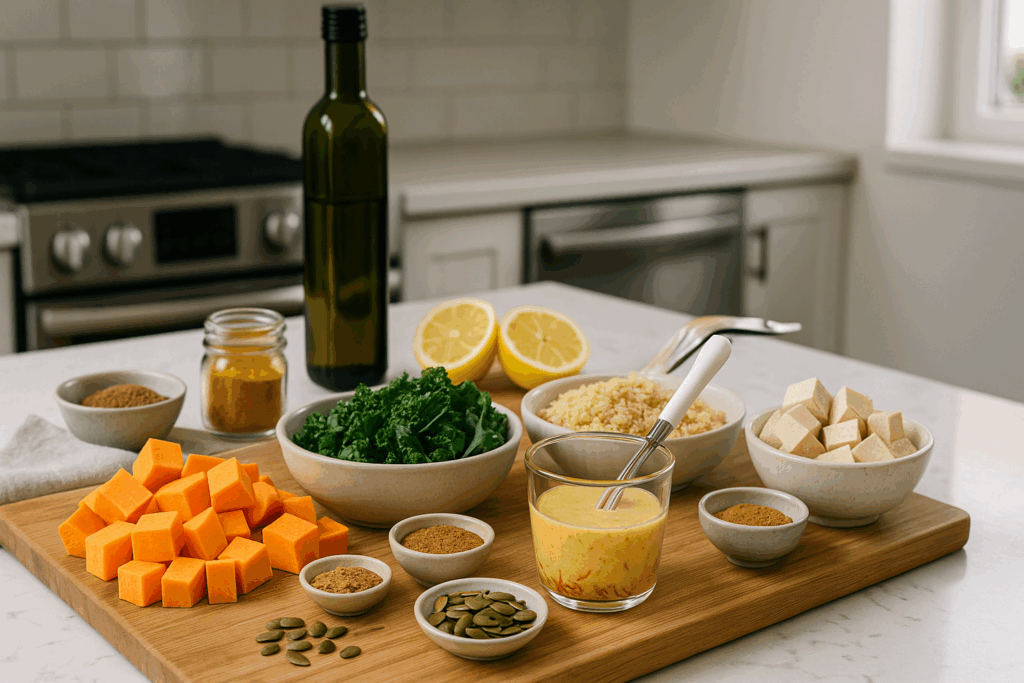
- Low-Glycemic Carbs: Sweet potatoes, oats, quinoa, brown rice, whole fruits
- Lean Proteins: Eggs, fish, chicken, tofu, legumes
- Healthy Fats: Avocado, walnuts, chia seeds, olive oil, ghee
- Fiber-Rich Veggies: Spinach, kale, broccoli, cucumbers, carrots
- Seeds & Nuts: Flax, pumpkin, sesame, almonds (help in seed cycling)
- Herbs & Spices: Cinnamon, turmeric, fenugreek, spearmint
Hydration is also essential — drink plenty of water, herbal teas, and electrolyte-rich fluids like coconut water.
Foods to Avoid with PCOS
❌ Limit or Eliminate:
- Refined carbs: White bread, pastries, sugary cereals
- Sugar: Soft drinks, sweets, processed snacks
- Processed foods: Packaged meals, fast food, canned soups
- Dairy (for some): Can worsen acne and inflammation
- Excess caffeine: Can raise cortisol and disrupt hormones
- Seed oils: Avoid sunflower, corn, soybean oils — opt for cold-pressed oils instead
These foods can spike blood sugar, worsen insulin resistance, and increase inflammation — all of which fuel PCOS symptoms.
Daily Meal Plan Structure for PCOS
A balanced plate at every meal can work wonders for stabilizing insulin and keeping hormones in check.
Meal Formula:
Protein + Fiber-Rich Carbs + Healthy Fats + Non-Starchy Veggies
Example:
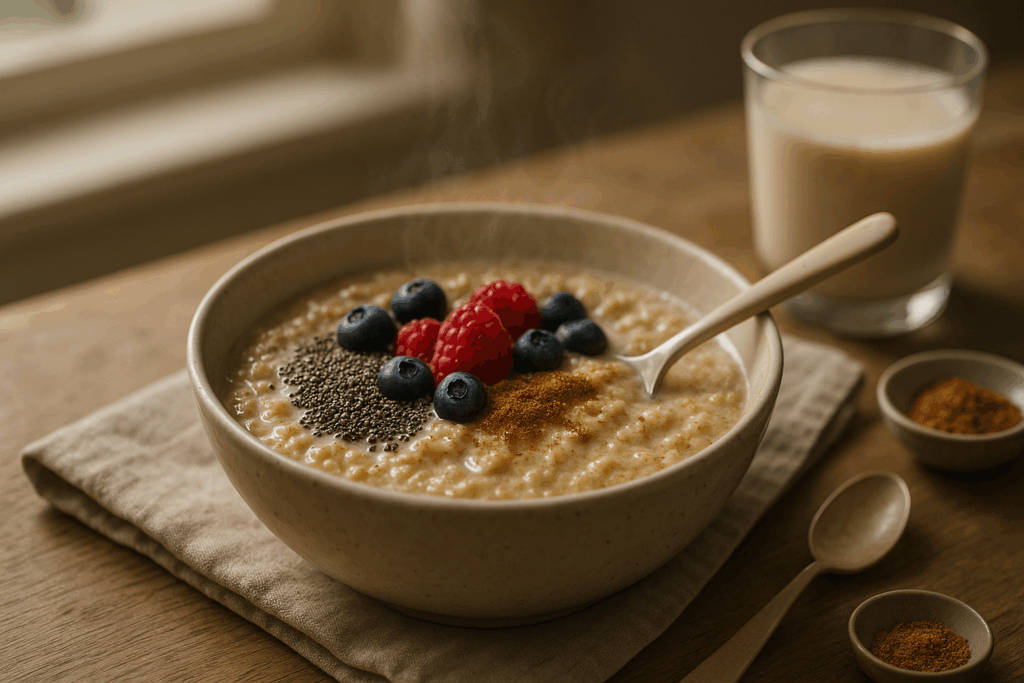
- Breakfast: Oats with chia seeds, almond milk, berries, and a scoop of protein
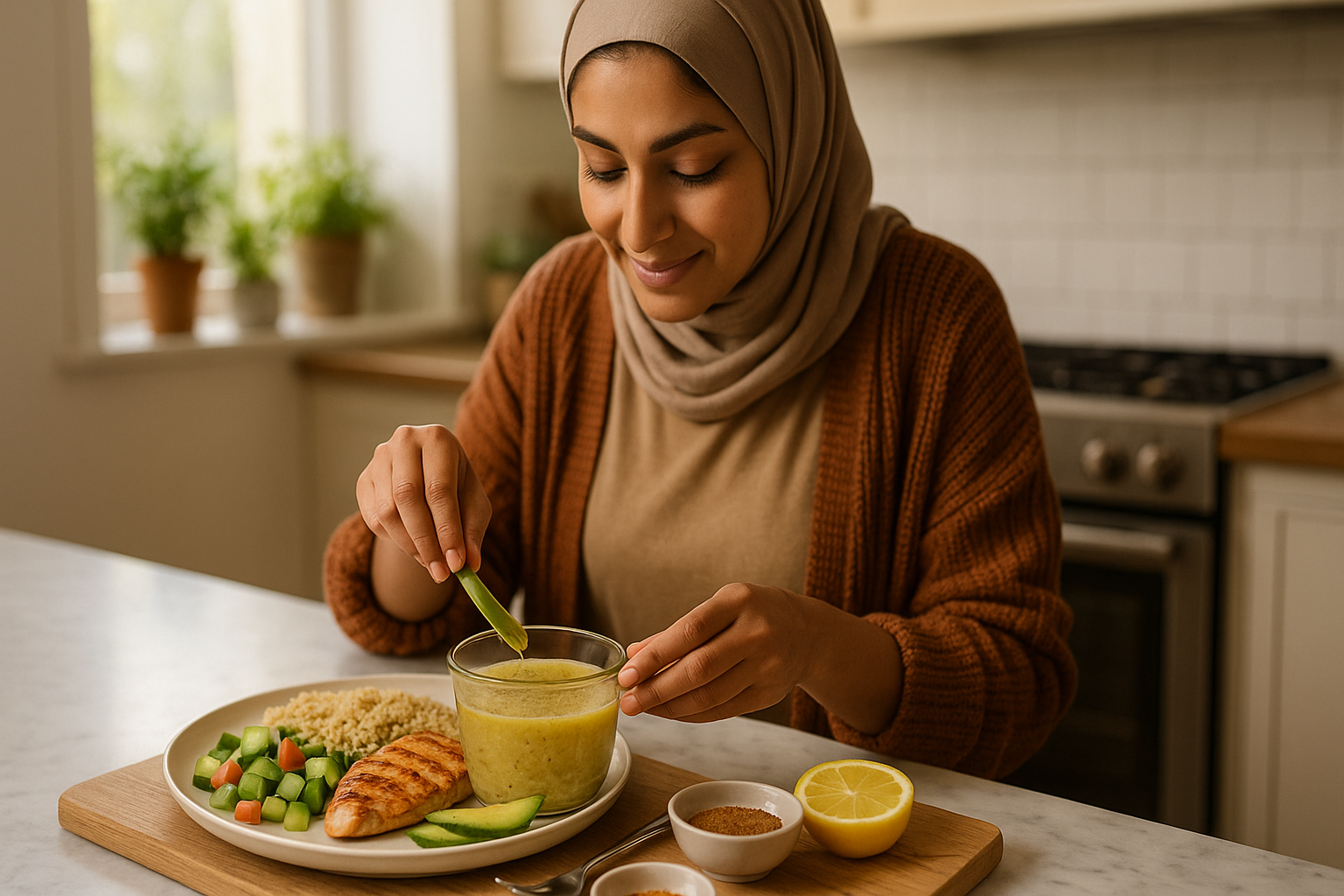
- Lunch: Grilled chicken, quinoa, cucumber salad with olive oil
- Snack: Handful of walnuts + herbal tea
- Dinner: Stir-fried vegetables, tofu or fish, and a small serving of sweet potato
Aim for 3 balanced meals + 1 small snack, and don’t skip meals — consistent eating keeps insulin stable.
Quick & Easy Recipe: PCOS-Friendly Hormone Bowl
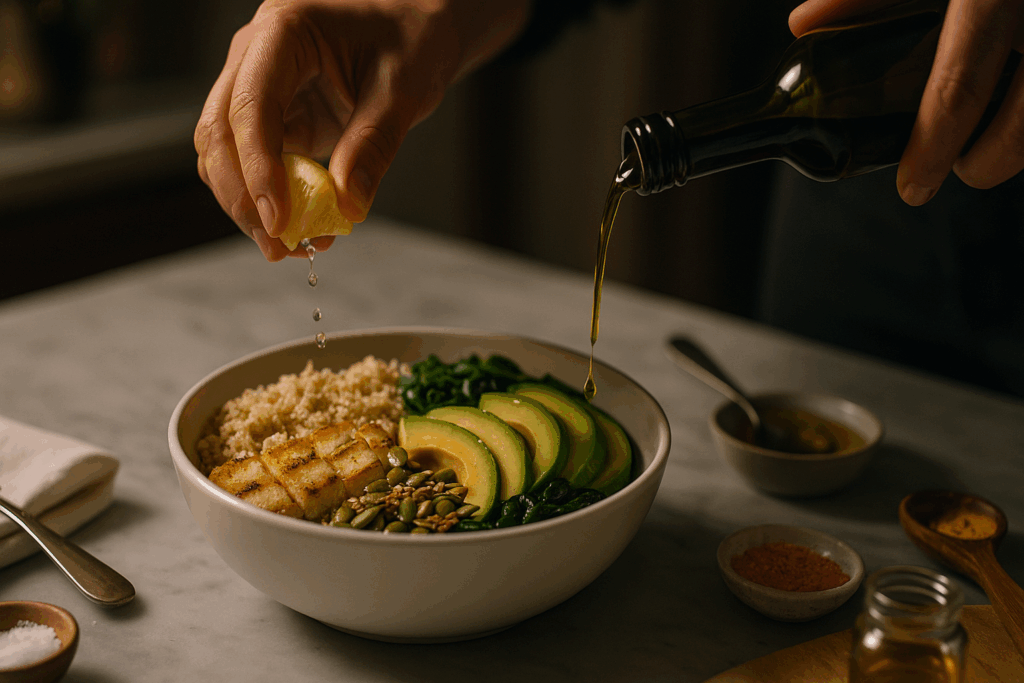
This one-bowl meal supports blood sugar balance, energy, and hormone detox.
Ingredients:
- ½ cup cooked quinoa or brown rice
- ½ cup grilled tofu or chicken
- ½ avocado, sliced
- 1 tbsp pumpkin or flax seeds
- ½ cup sautéed spinach or kale
- 1 tsp olive oil + lemon juice
- Optional: pinch of turmeric and sea salt
Instructions:
Layer all ingredients in a bowl and drizzle with olive oil and lemon juice. Serve warm or cold. This meal provides fiber, protein, good fats, and anti-inflammatory nutrients in one bowl.
Natural Remedies to Complement Your Diet
Pairing your diet with natural supplements and herbs can boost results.
- Myo-Inositol + D-Chiro-Inositol: Improve insulin sensitivity and ovulation
- Cinnamon: Regulates blood sugar
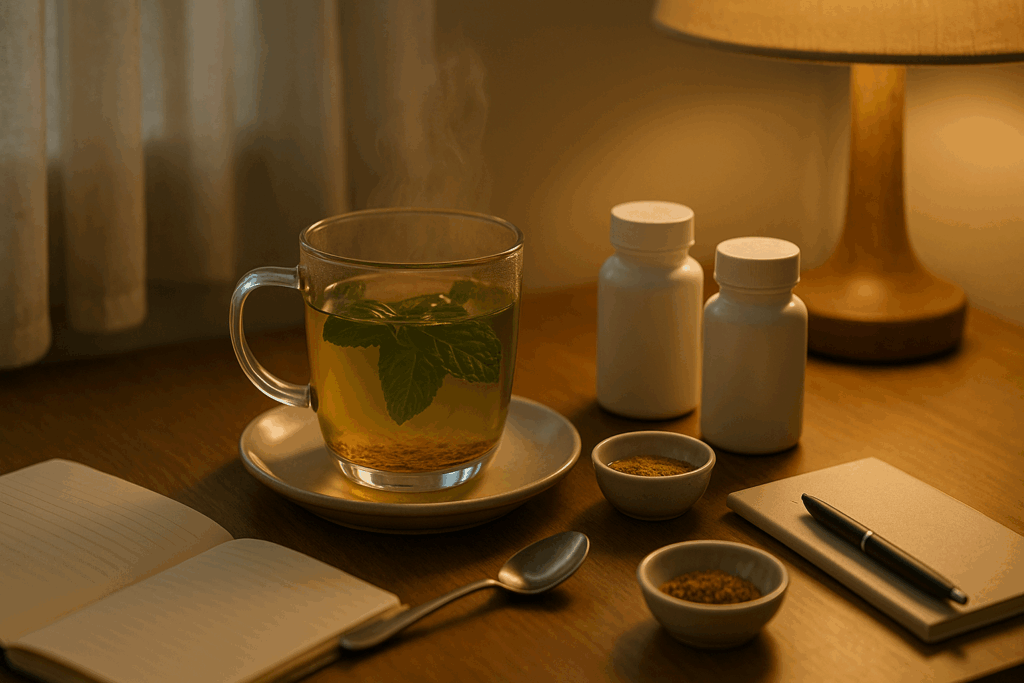
- Spearmint tea: Lowers testosterone
- Turmeric + Black Pepper: Reduces inflammation
- Magnesium + Zinc: Support hormone balance and reduce PMS
- Apple Cider Vinegar: May improve insulin response (1 tbsp in water before meals)
Always consult a healthcare provider before starting supplements, especially if you’re taking medications or trying to conceive.
FAQs
Q: Can diet alone treat PCOS?
For many women, consistent dietary changes dramatically improve symptoms. While diet isn’t a “cure,” it is the foundation of effective PCOS management.
Q: How long before I see results with a PCOS diet?
Most women notice improvements in energy and mood within 2–3 weeks. Cycle regulation and weight loss may take 2–6 months of consistent effort.
Q: Is keto good for PCOS?
Low-carb diets can help, but strict keto isn’t always sustainable or necessary. A balanced, anti-inflammatory diet is more realistic long-term.
Q: Should I count calories on a PCOS diet?
Focus on quality of food rather than calorie counting. Portion control matters, but real, nutrient-dense foods are more effective than restriction.
Q: Can I still eat carbs?
Yes. Just choose slow-digesting, whole carbs like oats, sweet potatoes, and fruits in moderation. Avoid refined carbs and sugar.
Final Thoughts: Nourish to Heal, One Plate at a Time
Managing PCOS with diet is not about restriction — it’s about rebuilding trust with your body through food that nourishes and supports your hormones.
What you eat impacts your insulin, ovulation, mood, and energy. Every balanced meal is a step toward less pain, more clarity, and greater hormonal alignment.
Be patient, be consistent, and remember: your diet is not a punishment — it’s your most powerful tool for healing.