


Ancient Origins, Timeless Appeal
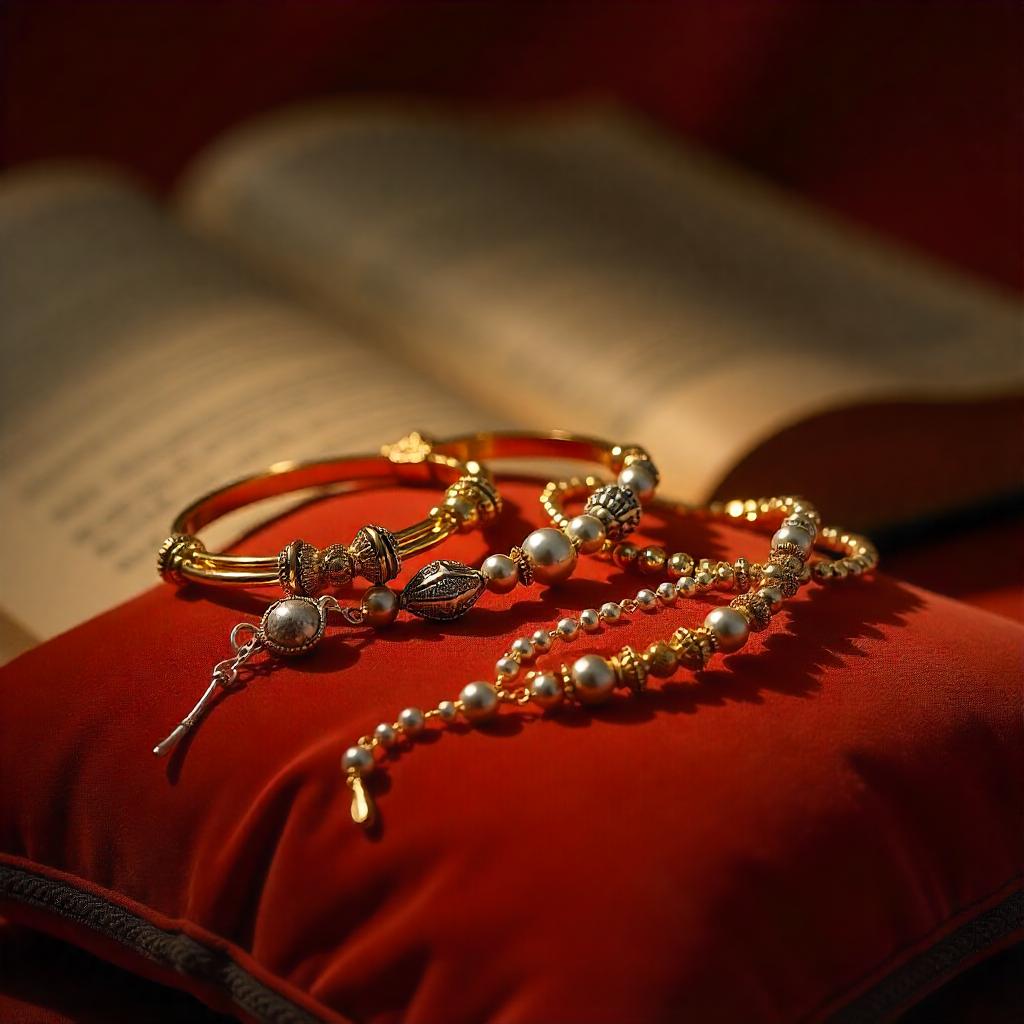
Anklets aren’t just a fleeting trend—they’re a symbol steeped in centuries of cultural richness. From ancient Egypt to South Asia, anklets have been worn for beauty, status, and spiritual significance.
A Journey Through Cultures
- Egyptian royalty adorned their ankles with gold and beads to display wealth and elegance.
- Indian traditions celebrate anklets, or payals, as part of bridal wear, often believed to bring good luck and ward off evil.
- African and Middle Eastern cultures incorporated anklets in ceremonial dress and spiritual rituals.
Each place, each time period, adds a new layer of meaning—anklets weren’t just stylish; they were sacred.
From Function to Fashion
In some cultures, anklets signaled marital status or social position. In others, they were practical, like the softly jingling bells used to announce one’s presence.
But today? Anklets are back as a form of personal expression—both playful and powerful.
Why They’re Back (And Better Than Ever)
- Y2K nostalgia: Anklets were huge in the early 2000s, and their comeback is part of the wider revival of that era.
- Summer essential: Easy to wear with sandals or barefoot at the beach, anklets are a warm-weather staple.
- Layering trend: Just like bracelets and necklaces, anklets are now layered and stacked for extra flair.
- Minimalist to bold: From delicate chains to chunky charms, there’s an anklet style for every aesthetic.
Styling Tips
- Pair gold chains with strappy heels for a night out.
- Wear beaded or woven anklets with slides or sneakers for a casual vibe.
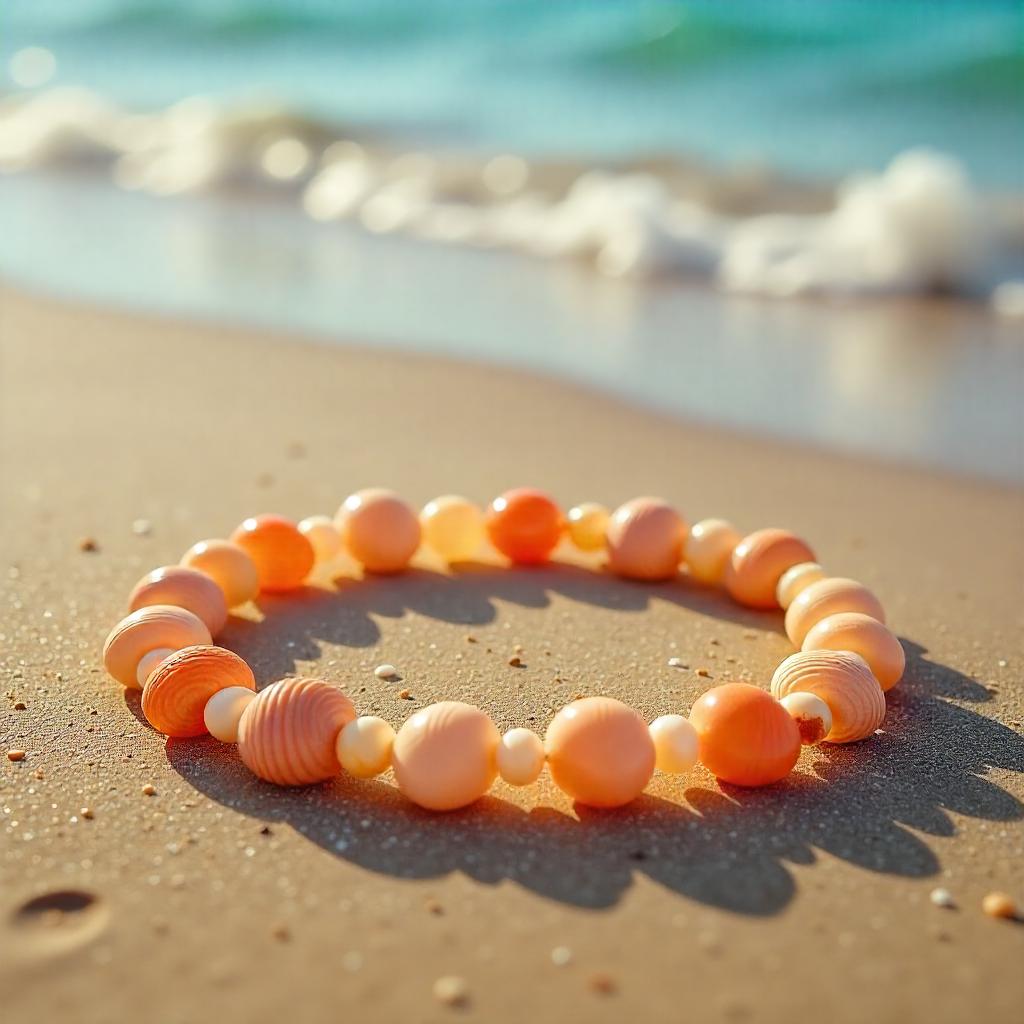
- Mix textures—metal, thread, shells—for that effortlessly curated look.
Conclusion: More Than a Footnote
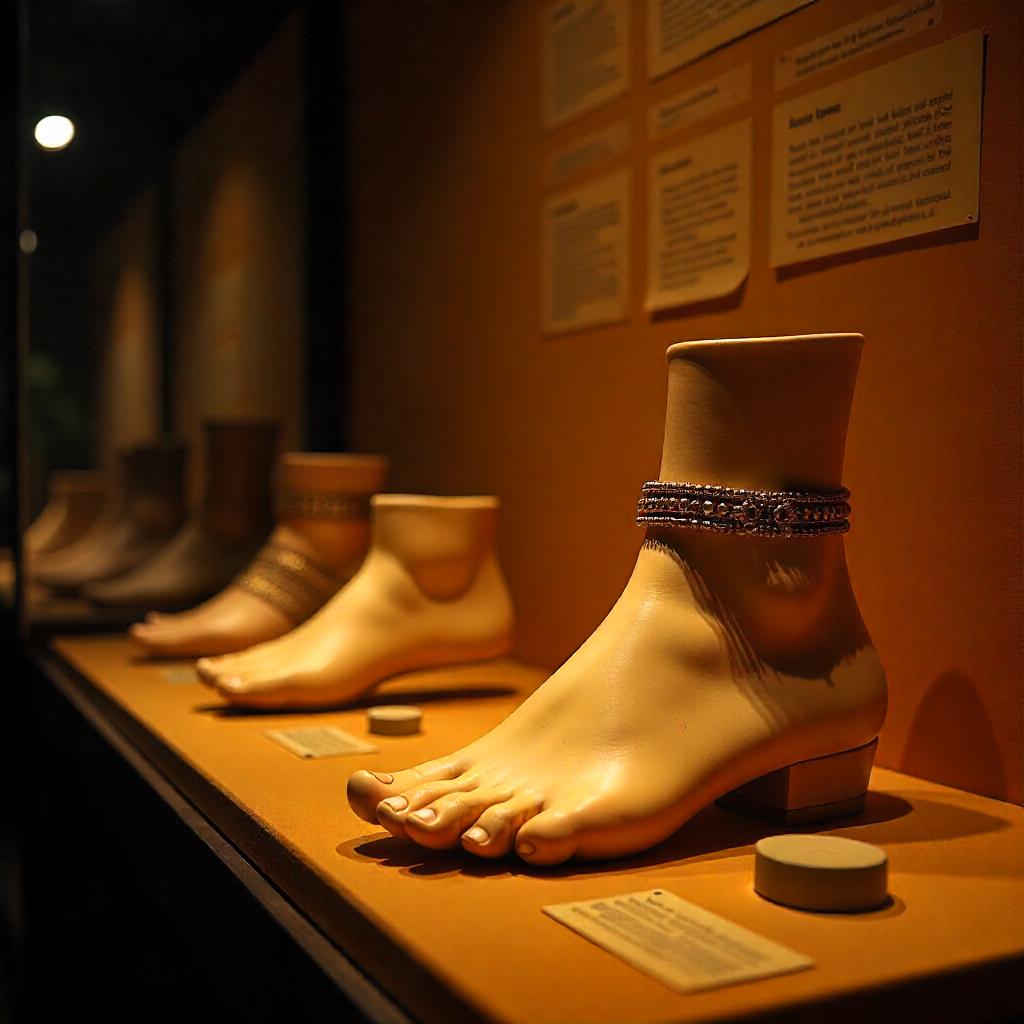
Anklets are back—but they never truly left. They’ve always carried meaning, beauty, and individuality across time and culture. Whether you’re wearing one for tradition, style, or just because it makes you feel good—it’s the perfect detail to ground your look with history and heart.